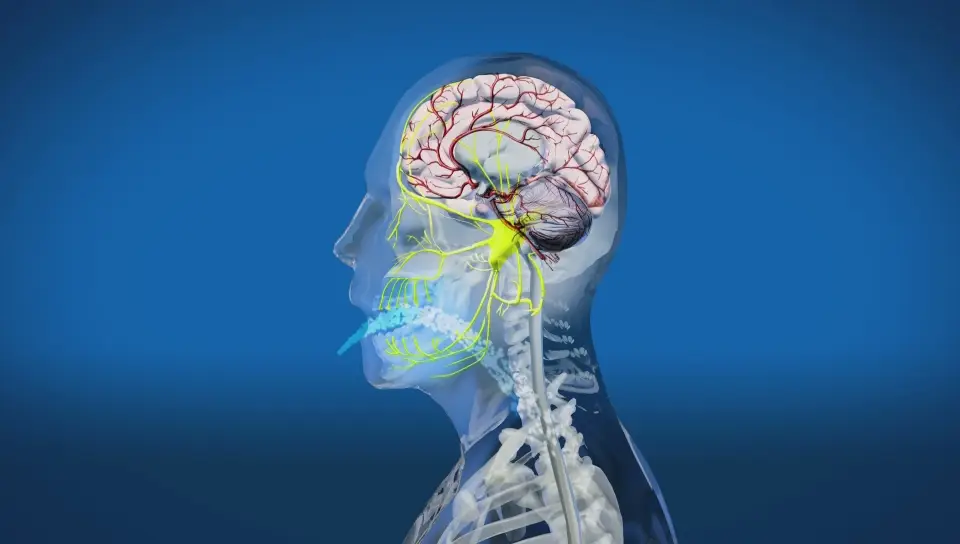

(Asian independent) Brain freeze or cold stimulus headache is medically termed as sphenopalatine ganglioneuralgia, is a short-lasting but intense headache that occurs when some cold eatables such as ice cream or a chilled beverage, comes into sudden contact with the roof of the mouth or the back of the throat. Despite being harmless and self-limiting brain freeze has attracted the attention of the neuroscientists, the doctors and ordinary people alike due to its unique mechanism and surprising intensity. Understanding the physiology behind this common experience provides insights not only into the headache disorders but also into how the brain perceives and processes the pain.
Mechanism Behind Brain Freeze
- Sudden Temperature Changes in the Mouth
When an extremely cold substance touches the palate (roof of the mouth), the blood vessels in this region rapidly constrict and then dilate. This abrupt vascular response is believed to trigger the pain. - Involvement of the Trigeminal Nerve
The trigeminal nerve, a cranial nerve responsible for sensation in the face and head, transmits these pain signals to the brain. Since the nerve covers both the mouth and the forehead, the brain misinterprets the origin of pain—creating the illusion that the forehead is epicenter of the pain. This phenomenon is known as referred pain. - Increased Blood Flow and Intracranial Pressure
The dilation of blood vessels increases blood flow, temporarily altering intracranial pressure. This is similar to what occurs in migraine attacks.This fact explains that why people prone to migraines often report brain freeze more frequently. - Sphenopalatine Ganglion Involvement
The sphenopalatine ganglion, a nerve cluster behind the nose, plays a crucial role in relaying pain sensations. Its sudden stimulation by cold leads to the sharp, stabbing sensation associated with brain freeze.
Factors Responsible for Brain Freeze
- Temperature of Ingested Substance
The colder the food or drink, the higher the likelihood of triggering the brain freeze. Items like ice cream, frozen food items and iced beverages are classic culprits for the sudden pain attacks. - Speed of Consumption
Drinking or eating cold items rapidly exposes the palate and throat to sudden temperature changes thereby increasing the risk of the brain freeze. - Surface Area Contact
When a large volume of cold material touches the palate at once it exaggerates vascular and nerve responses.This would instantly trigger the brain freeze. - Individual Sensitivity
People vary in their susceptibility and sensitivity. Those with migraine disorders are often more prone to brain freeze suggesting shared pathways between the two conditions. - Environmental Temperature
Paradoxically, consuming extremely cold foods in hot weather may make brain freeze more likely because blood vessels are already dilated from heat, making the constriction-dilation response more dramatic.
What Exaggerates Brain Freeze?
- Larger Gulp Sizes: Swallowing big sips of ice-cold beverages delivers a stronger stimulus to the palate.
- Holding Cold Foods Against the Palate: Allowing ice cream or ice cubes to rest on the roof of the mouth increases nerve stimulation.
- Dehydration: Reduced blood flow regulation may exaggerate vascular changes making pain sharper.
- Migraine Predisposition: As mentioned, migraine sufferers often experience stronger and longer-lasting brain freezes.
- High Sensory Sensitivity: Some individuals have lower pain thresholds or more reactive trigeminal nerves, exaggerating the response.
Clinical Significance
Though benign, brain freeze is more than just a curiosity. Scientists studying it have drawn parallels to vascular headaches and migraine research, providing a simple model for understanding sudden-onset headache mechanisms. This could potentially contribute to better treatments for more severe headache disorders.
Brain freeze may last only for few seconds but its intensity and universality had made it an important subject of scientific curiosity. At its core, the phenomenon reflects the delicate interplay between vascular responses, cranial nerve signaling and the brain’s interpretation of pain. Factors such as rapid consumption of cold foods, migraine susceptibility and environmental conditions can all exaggerate the experience. While brain freeze is harmless, this fleeting pain serves as a window into the brain’s complex pain pathways, reminding us of how finely tuned yet sometimes “confused” our nervous system can be.
SURINDERPAL SINGH
FACULTY IN SCIENCE
SRI AMRITSAR SAHIB PUNJAB.