THE ASIAN INDEPENDENT UK

Bal Ram Sampla
Geopolitics
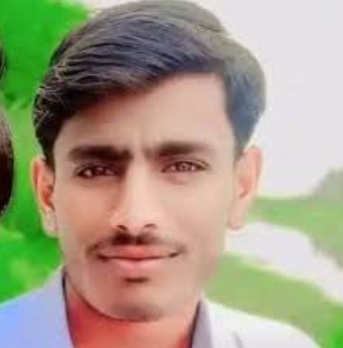
The brutal killing of Kailash Kolhi in Sindh province has sent shockwaves through Pakistan’s minority communities and reignited urgent conversations about the safety and dignity of religious minorities in the country. This tragedy is not merely an isolated incident of violence but a stark reminder of the systemic vulnerabilities that religious minorities, particularly Hindus, face in rural Pakistan.
On January 4, 2026, Kailash Kolhi, a young Hindu tenant farmer in his mid-twenties, was shot twice in the chest by his feudal landlord, Sarfaraz Nizamani, in Talhar village, Badin district. The dispute that led to his death was heartbreakingly trivial: the construction of a small hut on land where Kolhi’s family had lived and worked for generations. That a human life could be extinguished over such a minor matter speaks to a deeper crisis of power, impunity, and dehumanization.
The fact that the accused initially fled and went underground, only to be arrested days later after massive protests, raises troubling questions about whether justice would have been pursued at all without public outcry. While authorities eventually took action, the initial delay suggests a system that too often fails to protect its most vulnerable citizens.
The Feudal System and Minority Vulnerability
The murder of Kailash Kolhi cannot be understood apart from Pakistan’s entrenched feudal system, particularly in rural Sindh. Feudal landlords wield enormous power over tenant farmers, many of whom live in conditions approaching bonded labor. For religious minorities caught within this system, vulnerability is compounded. They face not only economic exploitation but also religious discrimination that leaves them with fewer avenues for recourse or protection.
Hindu tenant farmers in Sindh often work land owned by powerful Muslim landlords, creating a power dynamic that intersects religion, class, and traditional feudal hierarchies. When conflicts arise, minorities frequently find themselves without adequate legal protection or community support structures that might shield them from violence or coercion. The willingness of a landlord to kill over a minor housing dispute reflects an assumption of impunity rooted in this multi-layered inequality.
The Broader Context of Minority Rights in Pakistan
Pakistan’s religious minorities, comprising approximately three to four percent of the population, face numerous challenges to their safety, equality, and full participation in national life. Hindus, Christians, Ahmadis, and other minority communities report discrimination in education, employment, and access to justice. More alarmingly, they face periodic violence, forced conversions, and targeted attacks that often go unpunished.
The Pakistani constitution guarantees equal rights to all citizens regardless of religion, and the founder of Pakistan, Muhammad Ali Jinnah, famously envisioned a state where people would be “free to go to their temples, free to go to their mosques or to any other place of worship.” Yet the lived reality for many minorities falls far short of this constitutional promise and founding vision.
Cases of forced conversions of Hindu and Christian girls, attacks on places of worship, and blasphemy accusations that lead to mob violence create an atmosphere of fear and insecurity. Economic marginalization compounds these challenges, with minorities disproportionately represented among sanitation workers, agricultural laborers, and other low-status occupations.
The Response: Protests and Demands for Justice
The Hindu community’s response to Kailash Kolhi’s murder demonstrates both solidarity and desperation. Peaceful protests and sit-ins blocked major highways across Sindh, with demonstrators demanding not just the arrest of the accused but systemic reforms to protect minority communities. The fact that it took sustained public pressure to secure arrests underscores the protesters’ legitimate concerns about institutional responsiveness.
Civil society organizations and human rights activists have amplified these demands, calling for comprehensive reforms including strengthened legal protections for minorities, swift prosecution of crimes against minority community members, land reforms to address feudal exploitation, and education initiatives to combat prejudice and promote tolerance.
The Path Forward
Addressing the crisis illuminated by Kailash Kolhi’s death requires action on multiple fronts. Law enforcement must respond swiftly and impartially to crimes against minorities, sending a clear message that violence will not be tolerated regardless of the perpetrator’s power or status. The judicial system must ensure that cases involving minority victims receive fair hearings and that convictions lead to appropriate punishment.
Beyond individual justice, structural reforms are essential. Land reforms could begin to dismantle the feudal system that enables exploitation and violence. Educational curricula should emphasize Pakistan’s diversity and the constitutional equality of all citizens. Political representation for minorities needs strengthening, ensuring their voices are heard in policy decisions affecting their communities.
International attention and pressure can play a supporting role, but lasting change must come from within Pakistan itself. Pakistani civil society, media, and conscientious citizens across religious communities must continue advocating for a more inclusive and just society.
Conclusion
Kailash Kolhi’s murder is a tragedy that demands both immediate justice and long-term reform. His death symbolizes the precarious position of religious minorities in Pakistan and the deadly intersections of feudalism, religious discrimination, and impunity. The protests following his killing show that Pakistan’s minority communities will no longer accept second-class citizenship or the constant threat of violence.
Pakistan faces a choice: it can continue on a path where minorities live in fear and exploitation, or it can fulfill the promise of its founding principles by ensuring equal protection, dignity, and opportunity for all its citizens. Honoring Kailash Kolhi’s memory means choosing the latter path and working tirelessly to build a Pakistan where no one is killed for being different or powerless, where justice is blind to religion and wealth, and where every citizen can live with security and hope for the future.
The test of any society’s commitment to justice lies in how it treats its most vulnerable members. By that measure, Pakistan has work to do. The question is whether this latest tragedy will catalyze meaningful change or become another statistic in a long history of neglect and violence against minorities.
References
1.https://www.siasat.com/23-year-old-minority-farmer-shot-dead-by-landlord-in-pakistans-sindh-3324184/
2.https://sundayguardianlive.com/world/who-was-kailash-kolhi-25-year-old-hindu-farmer-shot-dead-in-pakistan-triggering-widesoread-protests-in-sindh-163935/
3.https://thelogicalindian.com/massive-protests-erupt-in-pakistans-sindh-after-hindu-youth-kailash-kolhi-allegedly-killed-feudal-lord-accused/
4.https://www.freepressjournal.in/world/arrest-the-murderer-massive-protest-erupts-in-pakistan-after-hindu-man-kailash-kohli-shot-dead-by-landlord-in-sindh-video