THE ASIAN INDEPENDENT UK

Bal Ram Sampla
Geopolitics
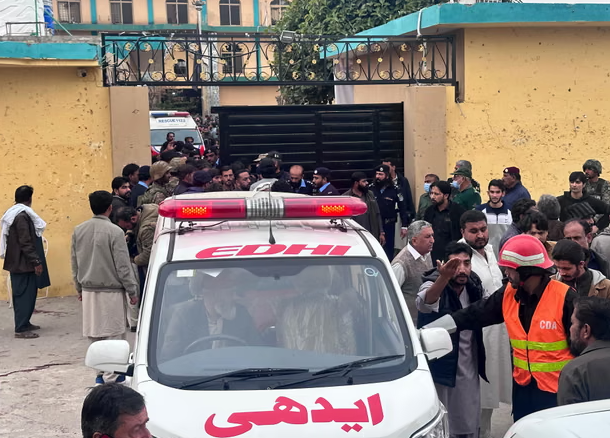
On a Friday afternoon, worshippers gathered for prayers at the Khadija Tul Kubra mosque in Islamabad, Pakistan’s capital city. It should have been a peaceful moment of faith. Instead, a suicide bomber struck, killing at least 31 people and wounding 169 others. Security guards tried to stop the attacker, but he opened fire before detonating his explosives among the crowded worshippers.
This was not just any mosque. It served Pakistan’s Shia Muslim community, a minority group that makes up about 10-15% of the country’s population. Shia worshippers have been targeted before by extremist Sunni militant groups who consider them heretics. The pattern is familiar and heart-breaking.
Pointing Fingers Before Finding Facts
Within hours of the attack, even before a proper investigation could be completed, Pakistan’s Defense Minister Khawaja Mohammad Asif made a significant claim: the suicide bomber had been traveling to and from Afghanistan. He blamed both Afghanistan and India for the incident.
This quick accusation follows a troubling pattern. Pakistan and Afghanistan have been trapped in a cycle of blame and violence for years. Pakistan accuses the Afghan Taliban of sheltering militants from the Pakistani Taliban (TTP) and other terrorist groups. Afghanistan denies this and often fires back its own accusations when Pakistan conducts airstrikes on Afghan soil.
The Danger of Premature Blame
The rush to blame Afghanistan before completing an investigation serves several purposes for Pakistani officials. It deflects attention from security failures at home – after all, this attack happened in the nation’s capital, supposedly one of the most protected areas in the country. It also provides justification for possible military retaliation.
Pakistan has struck Afghanistan multiple times in recent years, most recently in October 2024, when Pakistani jets bombed TTP hideouts in several Afghan provinces. These strikes led to fierce fighting along the border and hundreds of casualties before a ceasefire was arranged.
But immediate accusations carry risks. They can escalate tensions before all facts are known. They can lead to military action that kills innocent people. They can trap both countries in endless cycles of violence and revenge.
Who Actually Might Be Responsible?
No group has yet claimed responsibility for the mosque bombing. However, experts point to two likely suspects: the Pakistani Taliban (TTP) or the Islamic State group. Both organizations have targeted Shia worshippers in the past. Both have been blamed for similar attacks. Analysts noted that this attack “bears the hallmarks” of the Islamic State.
These are not state actors. They are extremist militant groups that operate across borders, taking advantage of Pakistan’s ongoing security crisis. Pakistan has seen a surge in militant violence recently, from both Baloch separatist groups in the southwest and TTP militants in areas bordering Afghanistan.
The Human Cost
Lost in the political accusations are the victims: ordinary people who came to pray and never went home. Families who lost fathers, sons, brothers. A community that must bury its dead while fearing the next attack.
The Shia community in Pakistan has endured decades of sectarian violence. They have been bombed in mosques, attacked at religious processions, targeted simply for practicing their faith. Each attack creates new grief, new trauma, new fear.
A Better Path Forward
Iran and Saudi Arabia, despite their historical tensions, both condemned this attack. Afghanistan’s Taliban government also condemned it. These statements suggest that responsible nations can unite against terrorism, even when they disagree on other issues.
Pakistan would be better served by completing thorough investigations before making accusations. By strengthening security at vulnerable sites. By addressing the root causes that allow extremism to flourish. By working diplomatically with Afghanistan to genuinely combat shared threats rather than engaging in cycles of strikes and retaliation.
The families mourning in Islamabad deserve justice. But justice requires truth, not convenient scapegoats. It requires addressing real security failures, not just blaming neighbours. Most of all, it requires leaders who prioritize protecting their citizens over scoring political points.
Until Pakistan and Afghanistan can move beyond accusation and retaliation, the cycle will continue. And more innocent worshippers will pay the price.
References
1.https://abcnews.go.com/International/wireStory/bombing-shiite-mosque-islamabads-outskirts-kills-24-wounds-129909580
2.https://www.cbc.ca/news/world/pakistan-islamabad-area-mosque-bombing-9.7076968
3.https://www.afintl.com/en/202602025433
4.https://youtu.be/6wsWATS2cvU?si=KTQ4oF1soIrXEHeF