THE ASIAN INDEPENDENT UK

Bal Ram Sampla
Geopolitics
The question of whether British women who joined ISIS should be allowed to return to the UK has become one of the most divisive security debates in recent years. Between 50 and 70 British-linked individuals, mostly women and children, remain stranded in Syrian detention camps. While some experts argue they should be brought home and held accountable under British law, others fear the security risks are too great. This issue has sparked fierce controversy across the political spectrum and among the British public.
The Security Threats
The main security concern is straightforward: these women travelled to join a terrorist organization responsible for horrific violence, including attacks on British soil. Security officials worry about several specific risks if they return.
First, there’s the threat of radicalization. Even if these women don’t carry out attacks themselves, they could spread extremist ideology to others in their communities. They lived under ISIS rule, absorbed its propaganda, and may still hold dangerous beliefs. Some might actively recruit new members or inspire homegrown terrorism.
Second, intelligence agencies face the difficult task of monitoring returnees. Each person who comes back requires surveillance and resources. With limited counterterrorism staff, adding dozens of high-risk individuals to the watch list could stretch security services thin and potentially allow threats to slip through the cracks.
Third, there’s uncertainty about what these women actually did in Syria. While some may have been victims who were trafficked or coerced, others may have played active roles in ISIS operations. Some reportedly served as enforcers of brutal rules, recruited other women online, or supported fighters logistically. Without clear evidence of their activities, it’s hard to assess the real level of danger each person poses.
Finally, there are concerns about prosecution. Building criminal cases against these women is extremely difficult. Evidence from a war zone is hard to gather and verify. If they return but can’t be successfully prosecuted, they might walk free despite posing a genuine threat to public safety.
Why This Creates Such Controversy
1.Security vs. Rights Debate
Those who oppose return argue that the government’s first duty is protecting its citizens from harm. They believe allowing ISIS members back into the country is reckless and puts innocent British lives at risk. To them, these women made a choice to abandon Britain and support its enemies, so they forfeited their right to return.
On the other side, human rights advocates argue that citizenship cannot simply be stripped away, especially when it leaves people stateless. They point out that Britain has legal and moral obligations to its citizens, even those who commit crimes. Leaving them in indefinite detention without trial in Syrian camps, they argue, violates basic principles of justice.
2. Question of Accountability
There’s also disagreement about how justice should work. Some believe the only way to truly hold these women accountable is to bring them home, investigate their actions, and prosecute them in British courts where they can face proper trials. Leaving them abroad means they escape justice entirely.
Others counter that bringing them back might result in light sentences or acquittals due to lack of evidence, which would feel like a betrayal to victims of terrorism.
3. The Children’s Dilemma
Perhaps the most heart-breaking aspect involves the children in these camps. They are innocent of any crime but are suffering in dangerous, unsanitary conditions. Some people argue these children are British citizens who deserve rescue, regardless of what their mothers did. But bringing back the children often means bringing back their mothers too, since separating them raises its own ethical concerns.
4. Cases Like Shamima Begum
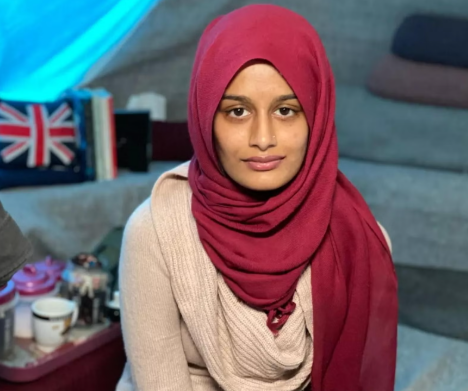
High-profile cases have intensified the debate. Shamima Begum left London at 15 to join ISIS and has become the face of this controversy. Some view her as a victim of grooming and trafficking who was too young to fully understand her choices. Others see her as someone who voluntarily joined a terrorist group and showed no remorse. Her case highlights how difficult it is to categorize these women simply as either victims or perpetrators.
Public Backlash: Would There Be an Outcry?
There would almost certainly be significant public backlash if large numbers of ISIS-affiliated women were allowed to return. Opinion polls and public reactions to previous cases suggest strong opposition.
Why the Public Would React Negatively
Most British citizens remember the ISIS terror attacks in Manchester, London, and elsewhere. The images of violence and the stories of victims remain fresh in the collective memory. The idea of welcoming back people who supported the group responsible for this trauma feels deeply wrong to many.
There’s also a perception issue. Many working-class and middle-class Britons struggle with housing costs, healthcare waiting times, and other daily challenges. The thought of the government spending money to repatriate, monitor, and potentially support these women while ordinary citizens struggle creates resentment. It feels unfair, as if bad behaviour is being rewarded while law-abiding people get nothing.
The media coverage would likely be intense and emotional. Tabloid newspapers would almost certainly run campaigns against the returns, featuring victims’ families and highlighting any past statements from the women that showed support for ISIS. This would amplify public anger.
Political Consequences
Politicians who support bringing these women back would face severe criticism. Opposition parties would accuse the government of being soft on terrorism and putting political correctness above public safety. Right-wing parties in particular would use this issue to argue that mainstream politicians are out of touch with ordinary people’s concerns.
We’re already seeing this play out, with Reform UK and Conservative politicians strongly opposing any return proposals. Prime Minister Keir Starmer would face pressure from both sides: security hawks demanding he keep them out, and human rights advocates pushing for their return and fair trials.
Potential for Division
This issue could deepen existing divisions in British society. It touches on questions of immigration, integration, British identity, and what it means to be a citizen. Some communities, particularly Muslim communities, might feel unfairly targeted by the rhetoric around this debate, even though most Muslims in Britain strongly oppose ISIS and extremism.
Conclusion
The ISIS brides controversy has no easy answers. It forces Britain to confront difficult questions about justice, security, citizenship, and values. The security threats are real and concerning, from radicalization risks to the burden on intelligence services. At the same time, indefinitely abandoning British citizens in foreign detention camps raises troubling legal and moral questions.
Public backlash to any return would be substantial and could have lasting political consequences. Most Britons would likely oppose bringing these women back, seeing it as both dangerous and unfair. Yet security experts also warn that leaving the problem unaddressed doesn’t make it go away—it simply pushes it to another country’s doorstep.
Whatever decision the government makes will be controversial. The challenge is finding a path that balances security concerns with legal obligations, protects the public while upholding British values, and addresses the humanitarian crisis in Syrian camps without appearing to reward those who turned against their country. It’s a dilemma that reflects broader tensions about how democracies respond to terrorism while maintaining their commitment to human rights and the rule of law.
References
1.https://digitalcommons.wcl.american.edu/cgi/viewcontent.cgi?article=1130&context=nslb
2.https://theweek.com/news/world-news/958580/should-isis-bride-shamima-begum-return-to-the-uk
3.https://www.gbnews.com/news/jihadi-bride-syria-isis-return-britain
4. https://www.lawyer-monthly.com/2025/11/shamima-begum-isis-brides-uk-repatriation-debate-2/