THE ASIAN INDEPENDENT UK

Bal Ram Sampla
Geopolitics
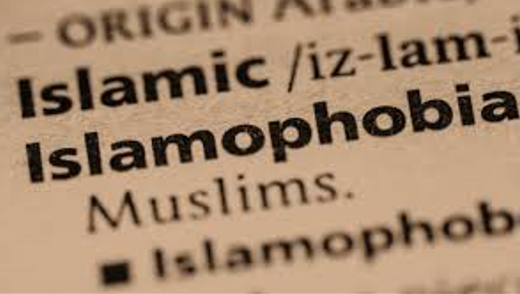
The government promised to create an official definition of Islamophobia. This was meant to help tackle discrimination against Muslims. It seemed like a simple promise to keep.
Now the government is stuck. Different groups want completely different things.
Muslim organizations want a strong definition. They want protection from stereotypes about Islam spreading by violence or oppressing minorities. They say this stops harmful prejudice.
Sikh organizations are threatening to sue. They say the definition stops them talking about history – like when Sikhs were persecuted by Muslim rulers. They say it rewrites history.
Free speech campaigners say it’s like bringing back blasphemy laws. They worry people won’t be able to criticize religious ideas.
The government minister, Steve Reed, has said free speech must come first. People must be allowed to criticize or mock religion. But the government also wants to stop real anti-Muslim hatred, which does exist.
The Political Problem
Muslim voters are important to Labour. The government made them a promise. Now they look like they’re backing down. How can they keep Muslim voters happy with a weaker definition?
This is difficult because:
(1)It looks bad.
The more they delay or water down the definition, the more it looks like they gave in to pressure. Muslim communities feel let down.
(3)Votes matter.
In the last election, some Muslim voters switched to independent candidates because they were unhappy with Labour. The government knows these voters might leave again.
But going too far the other way creates problems too.A controversial definition could be struck down in court or make other voters angry.
The government has a few options:
(1) Focus on people, not ideas.
Make the definition about hatred toward Muslim people, not criticism of Islam as a religion. This is easier to defend legally. It still protects Muslims from discrimination.
(2) Show action, not just words.
Instead of arguing about definitions, announce real things – better hate crime reporting, more police training, money for community security, education programs. Results might matter more than the exact wording.
(3) Say a weak definition is better than none.
Argue that a definition that actually gets used is better than a strong one that gets challenged in court and ignored.
(4) Point out everyone agrees hatred is bad.
Nobody disputes that anti-Muslim hatred exists or should be stopped. The argument is only about where to draw the line.
Conclusion
This situation shows a bigger problem: How do you protect one community without limiting others? How do you stop hatred while keeping freedom of speech?
For the government, this has become a test. Can they balance these competing needs?
Whatever they decide, someone will be unhappy. The question is whether they can make a choice that is fair, practical, and reduces hatred while keeping essential freedoms.
Right now, they’re stuck. And they haven’t found a way out yet.
References
1.https://nsouk.co.uk/serious-concerns-about-the-appg-islamophobia-definition/
2.https://www.siasat.com/british-sikh-group-prepares-for-judicial-review-of-islamophobia-definition-3280973/
3. https://www.thenationalnews.com/news/uk/2025/10/01/uk-government-signals-climbdown-on-islamophobia-rule/