THE ASIAN INDEPENDENT UK

Bal Ram Sampla
Geopolitics
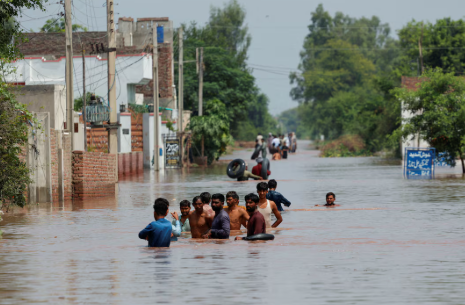
Every monsoon season, the same tragic script plays out across Pakistan. Torrential rains arrive, cities flood, hundreds die, and within hours, Pakistani media, politicians, and military officials are on television blaming India for “weaponizing water” and making floods worse. Meanwhile, Indian cities are also drowning under the same monsoon rains.
This finger-pointing has become so predictable that it reveals more about Pakistan’s political dysfunction than about actual flood management. Here’s why Pakistani authorities consistently choose blame over solutions.
1. The Easy Target Strategy
Blaming India is politically convenient because it requires zero accountability. When Karachi’s streets turn into rivers or Lahore’s drainage system collapses, it’s easier for officials to claim “India released dam water” than to explain why they spent decades ignoring urban planning, building permits in flood zones, or investing in proper drainage systems.
Consider the numbers: Pakistan evacuated over 100,000 people from border areas due to Indian dam releases, but over 800 people have died from floods across the country since June. The vast majority of these deaths occurred nowhere near the Indian border—they happened because Pakistani cities lack basic flood infrastructure that countries like Bangladesh, Vietnam, and Indonesia have been building for decades.
2. The Institutional Habit
Pakistan’s military and political establishment has spent 75 years using India as the explanation for every domestic failure. Poor economy? India’s fault. Terrorism? Indian conspiracy. Natural disasters? Indian water warfare. This narrative is so embedded in Pakistani institutions that officials reflexively blame India even when both countries are suffering identical weather patterns.
The recent tensions after their brief conflict in May made this blame game even more intense. But here’s the uncomfortable truth: India’s dam releases follow international protocols, include advance warnings, and happen because Indian reservoirs are also overflowing from the same rains that flood Pakistani cities.
3. The Cost of Denial
While Pakistani officials hold press conferences about “Indian water terrorism,” countries like Thailand and the Philippines invest billions in flood management systems. Jakarta built massive flood tunnels. Bangkok created comprehensive early warning networks. Even Bangladesh—despite being poorer than Pakistan—has dramatically reduced flood casualties through better planning.
Pakistan’s obsession with blaming India means these conversations never happen. There’s no political pressure to build flood-resistant infrastructure when voters believe floods are caused by enemy action rather than government negligence.
4. The Media Circus
Pakistani media amplifies this blame game because anti-India content generates views and protects them from asking harder questions about local governance. It’s easier to interview retired generals about “water wars” than to investigate why Islamabad’s drainage system hasn’t been upgraded since the 1960s, or why construction continues in natural flood channels.
Compare this to how Asian media in Japan, South Korea, or Taiwan covers natural disasters—with focus on preparedness, response efficiency, and lessons learned. Pakistani media coverage reads like war propaganda, not disaster journalism.
5. The Real Questions Pakistan Won’t Ask
If Pakistani authorities were serious about flood management instead of blame management, they would ask:
– Why do Indian cities like Mumbai and Chennai also flood from the same rains, yet manage better casualty rates?
– Why hasn’t Pakistan invested in flood forecasting systems like those used across Southeast Asia?
– Why are millions of Pakistanis still living in areas that flood every single year?
– Why doesn’t Pakistan have building codes that prevent construction in flood zones?
6. Breaking the Cycle
Asian countries from Japan to Indonesia have learned that natural disasters require national honesty, not enemy-blaming. They invest in infrastructure, update building codes, relocate vulnerable populations, and create early warning systems because they know nature doesn’t care about political narratives.
Pakistan will keep drowning every monsoon season until its leadership chooses infrastructure investment over India-blaming, urban planning over enemy-hunting, and governance accountability over political theatre.
The floods reveal a simple truth: Pakistan’s biggest enemy isn’t across the border—it’s the decades of wilful negligence, corruption, and blame-shifting that leave millions vulnerable to predictable natural disasters.
Until Pakistani media asks why their drainage systems fail instead of why India exists, until Pakistani generals focus on disaster preparedness instead of disaster propaganda, and until Pakistani politicians choose governance over grievance, the monsoons will keep winning.
References
1. https://aje.io/1ho5jw
2.https://www.theweek.in/news/world/2025/08/29/desperate-pakistan-claims-it-s-india-s-fault-that-lahore-is-sinking-didn-t-alert-us-or-repair-floodgates.html
3.https://www.aljazeera.com/news/2025/8/21/whats-causing-pakistans-deadly-floods
4.https://theprint.in/go-to-pakistan/pakistan-defence-minister-blames-india-for-floods/2730949/