THE ASIAN INDEPENDENT UK
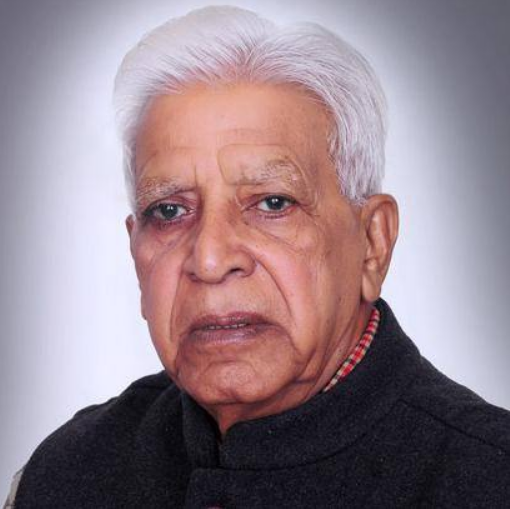
Dr. Ramjilal, Social Scientist,
Former Principal, Dyal Singh College ,Karnal,Haryana – India
Email drramjilal1947@ gmail.com
Background
Universal compulsory education for boys and girls began in Scotland in the 1560s, followed by Pfalz-Zweibrücken in Germany in 1592 and Denmark in 1739. Although primary education was made compulsory, it was not state-funded, which limited its effectiveness. Prussia became the first German state to introduce mandatory tax-funded education in the 18th century, achieving notable success.
In India, Gopal Krishna Gokhale proposed a resolution for “free and compulsory primary education” in the Legislative Council on March 18, 1910, but it was rejected. The 86th Amendment Act of 2002 later added Article 21(A) to the Constitution, mandating free and compulsory education for children aged 6 to 14 years. The Right of Children to Free and Compulsory Education Act was enacted in 2009 and came into effect on April 1, 2010. However, it took India 100 years to implement universal education.
Global Educational Rankings 2024
As of 2024, India ranks 149th in world literacy, with a rate of 66%, according to the United Nations Educational, Scientific and Cultural Organization (UNESCO). Despite an improvement of 48 points over 17 years, India remains behind many advanced countries. In the 2024 Global Educational Rankings, published in 2025, India stands at 101st globally, behind South Korea, Denmark, the Netherlands, Belgium, Slovenia, Japan, Germany, Finland, Norway, and Ireland. By 2022, India’s overall literacy rate was 76%, with male literacy at 82.4% and female literacy at 68.4%. Countries like Ukraine and the United States boast literacy rates of 99% or higher.
Decline of Government Schools
Between the academic years 2014-2015 and 2023-2024, the number of government schools decreased in 10 states, including Madhya Pradesh, Uttar Pradesh, and Jammu and Kashmir. In contrast, Bihar saw a significant increase in both government and private schools. Union State Education Minister Jayant Chaudhary reported that the number of government schools fell by 89,441, from 1,107,101 in 2014-2015 to 1,017,660 in 2023-2024. During the same period, private schools increased by 42,944, reaching a total of 331,108.
Madhya Pradesh experienced the largest decline, with government schools dropping from 121,849 to 92,439, representing a 24.1% reduction. Uttar Pradesh accounted for 60.9% of the national decline in government schools and contributed 44.9% to the increase in private schools. Other states that also saw declines in government schools include Jammu and Kashmir (21.4%), Odisha (17.1%), Jharkhand (13.4%), Nagaland (14.4%), Goa (12.9%), and Uttarakhand (8.7%). In contrast, Bihar’s government schools increased from 74,291 to 78,120, reflecting a 5% growth.
Unprecedented Growth of Private Schools: Ten States
During the same time period, there was a significant decrease in government schools, which coincided with unprecedented growth in private schools. The number of private schools increased by 42,944, bringing the total to 331,108. Ten states experienced private school growth rates that exceeded the national average of 14.9%. For example, in Bihar, the number of private schools grew from 3,284 to 9,167, representing a remarkable increase of 179.14%. In Odisha, the number rose from 3,350 to 6,042, an increase of 80.36%. In Uttar Pradesh, private schools increased from 77,330 to 96,635, marking a growth of 24.96%.
Decline of Private Schools: Delhi, Himachal Pradesh, and Meghalaya
Conversely, there was a decline in the number of private schools in Meghalaya, Delhi, and Himachal Pradesh. In Meghalaya, the number of private schools fell from 2,274 to 2,152, resulting in a decrease of 5.36%. In Delhi, the count dropped from 2,641 to 2,565, a decline of 2.88%. Similarly, Himachal Pradesh saw a slight decrease from 2,614 to 2,607, amounting to a reduction of 0.27%.
Decline in School Enrolment
Statistics show a concerning seven-year decline in school enrolment in India. The UDISE+ 2024-25 report, covering 14.71 lakh schools, reveals that enrolment peaked at 255.74 million in the 2021-2022 academic year but has been steadily decreasing since then. Primary enrolment (classes 1-5) dropped to 104.38 million, a decrease of 3.46 million from the 2023-24 numbers and 17.46 million (14.33%) from the peak in 2021-22. While upper primary (classes 6-8) and secondary (classes 9-12) levels experienced minimal growth, attendance at the foundational level, which is a focus of the National Education Policy (NEP) 2020 for early childhood education, continues to decline.
Regional Differences in Student Enrolment
Enrolment patterns vary across different regions of India. While enrolment has increased in states like Uttar Pradesh and Assam, it has declined in several South Indian and West Indian states. For example, in Bihar, enrolment dropped from 2.13 crore to 2.11 crore; in West Bengal, it decreased from 2.48 crore to 1.71 crore; and in Maharashtra, it fell from 2.14 crore to 2.13 crore. The most significant declines occurred in southern states: in Andhra Pradesh, enrolment decreased from 87.42 lakh to 84.55 lakh (a drop of 2.89 lakh); in Kerala, it went from 62.82 lakh to 61.64 lakh (a decrease of 1.18 lakh); in Tamil Nadu, it declined from 1.30 crore to 1.25 crore (a drop of 0.48 lakh); and in Karnataka, it fell from 1.19 crore to 1.18 crore (a reduction of 0.14 lakh).
The central and southern state governments attribute these declines to reduced fertility rates, which have fallen to between 1.1 and 1.9, indicating a proportional decrease in enrolment.
Teacher Shortage
Currently, approximately 1.06 million teaching positions remain vacant across the country due to a lack of recruitment since 2019, according to India’s State Education Minister. For a well-organized school system, the ideal teacher-student ratio should be 1:30. However, in Bihar, this ratio can be as high as 1:50. A 2024 report reveals that there are around 104,125 primary schools in India where each school has only one teacher.
On one hand, there is a significant shortage of teachers; on the other, existing teachers are often burdened with non-academic tasks. This imbalance negatively impacts children’s education. In schools with only one teacher, if that teacher is assigned excessive non-academic work or takes a leave of absence, the entire school may be forced to close. India faces a substantial teacher shortage, particularly in primary and rural schools, where the need for qualified educators is urgent.
Despite improvements in literacy rates across the country, the shortage persists due to a combination of factors, including slow and complicated hiring processes, inadequate salaries, unsatisfactory working conditions, and a lack of qualified teachers. As a result, many schools have alarmingly high pupil-teacher ratios that often exceed recommended limits, severely undermining the quality of education provided to students.
Immediate and decisive action is required to address this pressing crisis. It is essential to enhance salaries and job security for teachers, making the profession more attractive and sustainable. Additionally, streamlining the hiring process will help ensure that qualified teachers can enter classrooms more swiftly. Improving the physical infrastructure of rural schools is also crucial for delivering equitable and effective education to all children.
The consequences of this teacher shortage are severe and far-reaching. Overcrowded classrooms hinder teachers’ abilities to provide individualised support to students, increasing the risk of functional illiteracy, where students may have basic reading skills but lack a deeper understanding of the material. This ongoing crisis poses a significant threat to the quality of education and the prospects of India’s next generation. Action must be taken now to reverse this trend.
Burden of Non-Teaching Tasks on Teachers
Teachers are primarily responsible for educating students; however, they are increasingly burdened by non-teaching tasks due to the government’s implementation of 36 apps and portals. These platforms require teachers to manage over 100 educational and administrative duties, often turning them into office clerks instead of educators. Daily directives from the State Education Centre and complaints from the Chief Minister’s Office demand immediate attention, further detracting from teaching time.
When teachers cannot complete these tasks during school hours, they are forced to work after school or on holidays, leaving little time for their students. This overload compromises their ability to focus on teaching and has led to declining student performance, increased indiscipline, and higher dropout rates. The excessive workload also negatively impacts teachers’ health, family life, and overall well-being. In summary, the burden of non-teaching duties disrupts the educational process, contributes to teacher burnout, and diminishes the quality of education. Urgent action is needed to alleviate this pressure and allow teachers to refocus on their primary mission: educating students.
Teacher-Student Ratio in Single-Teacher Schools in India
According to the 2024 report, there are approximately 104,125 primary schools in India, where each school has only one teacher. This number has risen from 92,275 in the 2016-17 school year. The UDISF report for 2024-2025 indicates that around 3.386 million students are managed by a single teacher across these schools. In Uttar Pradesh, there are 9,508 single-teacher schools; in Delhi, there are 771; and in Haryana, there are 43,400.
This situation violates the right to education for approximately 620,000 students in Uttar Pradesh, 771 in Delhi, and 43,400 in Haryana. The teacher-student ratio in these single-teacher schools can vary significantly, ranging from one teacher for one student to as high as 96 students for a single teacher. For instance, Bihar records the highest teacher-student ratio at 96:1, followed by Uttar Pradesh with a ratio of 70:1. In contrast, states like Kerala and Himachal Pradesh maintain much lower ratios, typically ranging from 10 to 15 students per teacher.
In official circles in Bihar, these single-teacher schools are referred to as “Mini Schools.” A notable case highlighted is a one-student, one-teacher school in Telangana. As reported on January 8, 2025, a government upper primary school in Wayra Mandal, Khammam district, serves only one fourth-grade student with one teacher. The school continues to operate to ensure that the students’ education is not disrupted, demonstrating the Telangana government’s commitment to preserving the right to education, even in cases of low enrolment.
This decision exemplifies the importance of upholding the right to education on a global scale. Rather than closing schools, it is recommended that all girls’ schools be upgraded. The rise in private schools raises concerns about the government’s commitment to public education. This shift towards privatisation suggests that the government may not prioritise access and equity in education. By continually promoting privatisation and liberalisation, the Indian government conveys a clear message regarding its approach to public welfare in education. These policies seem to favour privatisation at the expense of public interests.
It is also important to note that the primary objective of the Bharatiya Janata Party is to establish India as a world leader. Given the current situation, we must ask: Can India truly become a global leader (Vishva Guru)? This is a pressing question.