
THE ASIAN INDEPENDENT UK

Bal Ram Sampla
Geopolitics
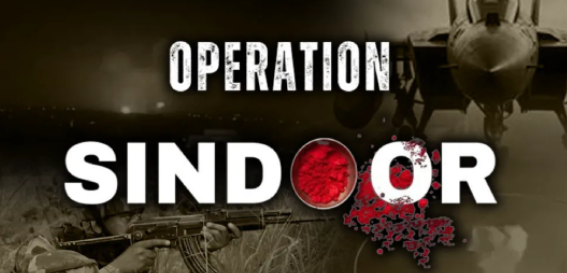
When a country claims victory while its own lobbying records tell a completely different story, the truth becomes impossible to hide. Recently disclosed US government documents have exposed a glaring contradiction between Pakistan’s public boasts and its private panic during India’s Operation Sindoor in May 2025.
The Public Story vs. The Private Reality
After the ceasefire on May 10, 2025, Pakistani officials publicly celebrated what they called a military victory. Their narrative was simple: they had successfully defended their territory and forced India to back down. Politicians made bold speeches. Military leaders claimed triumph. The media amplified the message that Pakistan had won.
But American transparency laws have revealed what was really happening behind closed doors. The Foreign Agents Registration Act requires lobbyists working for foreign governments to publicly disclose their activities. These filings paint a very different picture of Pakistan’s state of mind.
Sixty Meetings of Desperation
The documents show that Pakistan contacted American officials and intermediaries approximately 60 times during and immediately after Operation Sindoor. They pursued over 50 high-level meetings with US lawmakers, Pentagon officials, State Department representatives, and even media figures. This wasn’t casual diplomacy. This was frantic outreach.
Pakistan hired six different American lobbying firms, spending roughly ₹45 crore (about $5.4 million) for this emergency campaign. Why would a country that was “winning” need to spend millions on lobbying and schedule dozens of urgent meetings with American officials?
The Words That Exposed Everything
One document is particularly revealing. A lobbying firm called Squire Patton Boggs, representing Pakistan, distributed materials to US officials that stated: “We worry that PM Modi has said India has only paused its military action, and attacks on Pakistan could resume.”
Read that again. Pakistan’s own hired representatives were telling American officials that they were worried India might resume attacks. This is not the language of victory. This is the language of fear.
The Ceasefire Nobody Asked For
The documents also clarify who actually sought the ceasefire. Despite various claims that both sides wanted to de-escalate, the filings confirm that the ceasefire request originated from Pakistani military commanders, not from India.
This makes sense when you consider what Operation Sindoor achieved. Indian forces conducted precision strikes deep inside Pakistani territory, eliminating over 100 terrorists in response to the Pahalgam attack that killed 26 civilians. The operation demonstrated capabilities that clearly rattled Pakistan’s military establishment.
Why the Lies?
Countries often spin military outcomes for domestic consumption. That’s nothing new. But Pakistan’s case is particularly brazen because the evidence of their panic is now public record, filed with the US government by their own paid representatives.
The sixty meetings weren’t victory laps. They were pleas for American intervention to stop further Indian action. The millions spent on lobbying weren’t to celebrate success. They were investments in survival, attempts to build diplomatic pressure that might protect Pakistan from additional strikes.
What This Reveals
This duplicity matters because it shows how governments manipulate their own citizens. Pakistani people were told their military had won a great victory. In reality, their leaders were desperately working the phones in Washington, begging American officials to help end a conflict they couldn’t handle.
The contrast is stark: public bravado versus private begging. Victory speeches at home versus worried memos to foreign officials. Claims of strength versus actions driven by fear.
The Larger Lesson
When official records contradict official statements, we should pay attention. Pakistan’s case is a reminder that nationalist rhetoric often masks uncomfortable realities. The same leaders who proclaimed triumph were simultaneously expressing deep worry that India might resume operations.
Perhaps most telling is what Pakistan’s lobbying documents reveal about Operation Sindoor itself. If the Indian operation had been ineffective, why the panic? If Pakistan’s defenses had held strong, why the frantic diplomatic outreach? If they had truly “won,” why were they worried about India resuming attacks?
The US documents answer these questions clearly. Pakistan knew exactly how effective Operation Sindoor was. Their sixty meetings with American officials prove it. Their millions in lobbying fees prove it. Their own words about fearing resumed Indian action prove it.
Conclusion
Truth has a way of emerging, especially in democracies with transparency laws. Pakistan’s leaders may have controlled the narrative at home, but they couldn’t control what their own hired lobbyists filed with the US government.
The documents show a country that was desperate, not victorious. A military establishment that sought a ceasefire, not one that imposed terms. Leaders who worried about further attacks, not ones confident in their defenses.
Claiming victory while your own records show you begging for help isn’t just spin. It’s duplicity. And thanks to American transparency requirements, the whole world can now see the difference between Pakistan’s words and its actions.
References
1.https://www.opindia.com/news-updates/pakistan-made-60-pleas-to-halt-operation-sindoor-spent-rs-45-crores-in-lobbying-officials-american-doj-documents/
2.https://www.oneindia.com/international/pakistan-spent-45-crore-on-us-lobbying-during-op-sindoor-records-show-7960886.html
3.https://sundayguardianlive.com/world/how-pakistan-took-operation-sindoor-to-washington-and-packaged-minerals-as-leverage-163603/amp/
4.https://www.businesstoday.in/india/story/pakistan-lobbied-in-us-to-somehow-stop-indias-military-response-after-op-sindoor-report-509622-2026-01-06
5.https://www.socialnews.xyz/2026/01/07/pakistan-sought-us-help-during-op-sindoor-feared-resumption-of-indian-strikes-fara-documents/
6.https://www.republicworld.com/world-news/pakistan-desperately-sought-help-from-us-during-india-s-op-sindoor-reached-out-over-50-times-reports-say