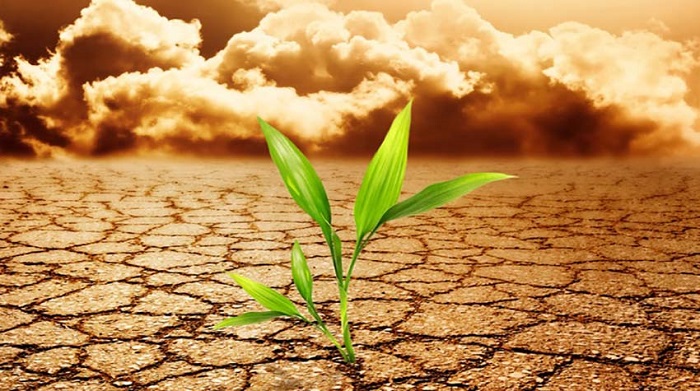

(Asian independent) Human progress has long been celebrated as a triumph of intelligence and innovation, yet it has come at a steep cost to the environment. The 21st century is witnessing unprecedented ecological imbalance which is largely due to industrialization, deforestation, urbanization and overexploitation of the natural resources. Global warming, climate instability and rising pollution are not just environmental concerns rather they are direct threats to human survival, public health and biodiversity. To “pacify Mother Nature” is to restore equilibrium in the natural systems that sustain life.
UNDERSTANDING THE CRISIS
Global warming is primarily driven by the accumulation of greenhouse gases (GHGs), including carbon dioxide (CO₂), methane (CH₄) and nitrous oxide (N₂O). According to the Intergovernmental Panel on Climate Change (IPCC), global temperatures have already risen by approximately 1.2°C above pre-industrial levels, and without intervention, could exceed the critical threshold of 1.5°C within the next two decades. This warming trend intensifies natural disasters such as floods, hurricanes, wildfires and droughts, thereby amplifying human suffering and ecosystem collapse.
Pollution exacerbates this crisis. Air pollution claims precious human lives through cardiovascular and respiratory diseases. Water pollution leads to ecosystem degradation and the spread of antimicrobial resistance. Plastic pollution has reached deep oceans and even human bloodstreams, symbolizing the far-reaching impacts of unchecked industrialization.
GLOBAL CHANGES THAT COULD REVERSE GLOBAL WARMING
1. Decarbonization of Energy
The single most impactful measure is a transition away from fossil fuels to renewable energy sources such as solar, wind, hydropower and green hydrogen. Research shows that large-scale deployment of renewable energy could cut CO₂ emissions by 70–80% by mid-century. Additionally, nuclear energy, though controversial, remains an essential bridge for reliable low-carbon power.
2. Carbon Capture and Sequestration (CCS)
Innovative technologies are emerging to directly remove CO₂ from the atmosphere. Carbon capture, utilization, and storage (CCUS) plants in Iceland and Canada demonstrate that it is possible to trap millions of tons of CO₂ annually and store it underground. Natural sequestration strategies, such as afforestation, reforestation and soil carbon enrichment, complement technological advances.
3. Sustainable Agriculture
Industrial agriculture is responsible for nearly 25% of GHG emissions, mainly due to methane from livestock and nitrous oxide from fertilizers. Transitioning to regenerative farming, plant-based diets, vertical farming and precision agriculture could reduce emissions while ensuring food security.
4. Circular Economy Models
Replacing the “take-make-dispose” industrial system with a circular economy—where waste is minimized, products are reused, and materials are recycled can drastically reduce both emissions and pollution. For example, widespread adoption of biodegradable packaging and large-scale recycling initiatives are already proving effective.
5. Urban Transformation
Smart cities with green architecture, efficient public transportation, electric mobility and sustainable waste management are crucial for reducing urban carbon footprints. Research in urban climatology highlights how green roofs, vertical gardens and urban forests can regulate city temperatures and improve air quality.
RESEARCH AND GLOBAL COLLABORATION AGAINST POLLUTION
Scientific Evidence of Urgency
Atmospheric Studies:
NASA’s Earth Observatory and ESA satellites have provided irrefutable data on rising global temperatures, glacier retreat and ocean acidification.
Medical Research:
The Lancet Commission (2022) has confirmed that climate change is the greatest health threat of the 21st century, linking air pollution directly to premature deaths and childhood diseases.
Ecosystem Studies:
Marine biologists has warned that coral reefs, which support one-quarter of marine biodiversity, could collapse entirely by 2050 if warming continues.
NEED FOR GLOBAL UNITY
Climate change and pollution transcend national borders. Carbon emissions from one country could impact atmospheric stability worldwide. Successful interventions require multilateral cooperation, as seen in the Paris Agreement (2015), which set targets for carbon neutrality, and the Montreal Protocol (1987), which successfully reduced ozone-depleting substances.
International research collaborations, such as the Intergovernmental Science-Policy Platform on Biodiversity and Ecosystem Services (IPBES), highlight the collective scientific effort needed. Emerging partnerships between developed and developing nations—like technology transfer for renewable energy—are vital for equitable progress.
ETHICAL AND HUMAN RESPONSIBILITY
Pacifying Mother Nature is not only a scientific imperative but also a moral obligation. Indigenous cultures have long viewed nature as a living entity deserving respect. Modern science validates this perspective: protecting ecosystems ensures clean air, fresh water, fertile soil and climate stability. Future generations depend on the choices we make today.
Reversing global warming and reducing pollution demand systemic changes through clean energy transitions, sustainable food systems, circular economies and global cooperation. Scientific researches has provided both the diagnosis of the crisis and the solutions required to heal it. Pacifying Mother Nature is not about domination of the nature but about harmony learning to coexist within the natural boundaries of the planet. The global community must act collectively and urgently, guided by science, compassion and responsibility. Only then can humanity restore balance and ensure a sustainable future.
SURINDERPAL SINGH
FACULTY IN SCIENCE DEPARTMENT
SRI AMRITSAR SAHIB PUNJAB.