THE ASIAN INDEPENDENT UK
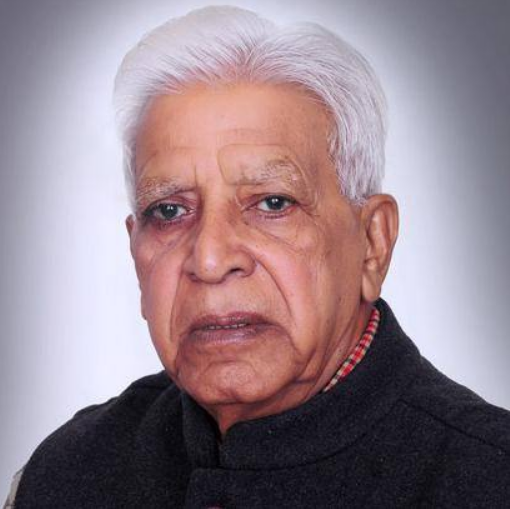
Dr. Ramjilal, Social Scientist,
Former Principal, Dyal Singh College,
Karnal (Haryana, India)
Email: [email protected]
On November 21, 2025, in a significant move aimed at modernising India’s labour framework, Union Labour Minister Mansukh Mandaviya announced the rollout of four pivotal Central Labour Codes: the Wage Code (2019), the Industrial Relations Code (2020), the Social Security Code (2020), and the Occupational Safety, Health, and Working Conditions Code (2020). This monumental initiative by the Government of India consolidates 29 existing labour laws into a more coherent and user-friendly structure.
Details
The Constitution of India: The Original Sources of Labour Laws :The formation of India’s Constitution was marked by rigorous debates within the Constituent Assembly, which played a vital role in defining the legal landscape of the nation. On April 29, 1947, Sardar Vallabhbhai Patel introduced the Interim Report of the Committee on Fundamental Rights to the Assembly for discussion. The discussions delved into a wide range of topics that laid the groundwork for individual freedoms, including the right to peacefully assemble without arms, the freedom of speech, and the right to form associations.
Chapters Three (Fundamental Rights) and Four (Directive Principles of State Policy) of the Constitution of India:
These chapters stand as the cornerstone of Indian labour laws, providing essential protections and rights for workers:
Chapter Three: Fundamental Rights:
- Article 14emphasizes the principle of equality, ensuring that every citizen is treated equally before the law.
2.Article 15 explicitly prohibits discrimination on various grounds, promoting a more just society.
- Article 16(1) guarantees equal opportunities in public employment, empowering individuals regardless of their background.
- Article 19(1) upholds the right to freedom of speech and expression, allowing citizens to voice their opinions.
5 Articles 19(b) and 19(c) safeguard the rights to assemble peacefully and to form associations, fostering democratic participation.
6.Article 21 protects the right to life and personal security, reinforcing the dignity of every individual.
7.Article 23 explicitly forbids human trafficking and forced labour, championing the cause against exploitation.
- Article 24 prohibits the employment of children under the age of 14 in hazardous work environments such as factories and mines, ensuring the protection of young workers.
The rights articulated in Chapter Three are justiciable, which means individuals have the power to seek legal recourse in instances where these rights are infringed upon.
Chapter Four: Directive Principles of State Policy (Articles 36-51):
The Directive Principles of State Policy serve as vital guidelines for the formulation of labour laws and policies in India. They direct the government to advance worker welfare by creating suitable laws that promote political, social, and economic democracy. Although individuals do not possess the right to seek civil recourse if the government fails to enforce these principles, they remain crucial to the legislative process.
Key provisions in Chapter Four related to labour include:
- Article 39 guarantees the right to a decent livelihood and mandates equal pay for equal work for all, irrespective of gender.
- Article 41 ensures the right to work, education, and public assistance during times of unemployment, old age, sickness, or disability.
- Article 42 Instructs the State to guarantee just and humane working conditions along with maternity relief for women.
- Article 43 encourages the establishment of living wages and decent working conditions, aiming for a reasonable standard of living for all workers, encompassing those in both agricultural and industrial sectors.
- Article 43(A) advocates for the promotion of workers’ participation in management, recognising the importance of their voice in organisational decision-making.
In conclusion, the announcement by Union Labour Minister Mansukh Mandaviya on November 21, 2025, regarding the implementation of the Wage Code,2019, Industrial Relations Code ,2020, Social Security Code,2020, and Occupational Safety, Health, and Working Conditions Code ,2020 marks a landmark advancement in India’s labour laws. These codes are designed not only to streamline and simplify the existing 29 labour laws, but also to enhance worker protections and ensure that compliance for employers is more manageable. This reform stands to create a more equitable work environment, benefiting both employees and employers alike.
The labour codes introduce several transformative features:
The labour codes introduce several transformative features aimed at enhancing worker rights across all sectors. One of the most significant mandates is the requirement for all employees to receive formal appointment letters, ensuring clarity and compliance in employment relationships. In addition, these codes establish a universal statutory right to a minimum wage, guaranteeing that all workers receive fair compensation for their labour. To further support employees financially, the codes stipulate that wages must be paid promptly, eliminating delays that can adversely affect workers’ livelihoods.
For those employed on fixed-term contracts, improved gratuity provisions have been instituted for periods of service lasting one year or longer. The recognition of short-term contract workers, gig economy participants, and platform workers marks an important shift in acknowledging diverse forms of employment that have often been overlooked, thereby extending essential rights and protections to these groups.
Moreover, the codes promote comprehensive health and social security measures that are accessible to all workers, significantly enhancing their well-being. Notably, provisions have been made to allow women to work night shifts across all industries, fostering greater inclusivity while ensuring their safety and security. To protect workers from excessive labour demands, the codes establish a maximum limit of eight working hours per day and 48 hours per week. In In situations whereThe overtime is necessary, it can only be performed with the consent of the workers, and they are entitled to receive double wages for any hours worked beyond the standard limits.
Particularly noteworthy are the codes that focus on women, emphasising the fundamental principle of gender equality. These codes mandate ‘equal pay and benefits’ for male and female workers performing similar roles, fostering an environment where increased participation of women in the workforce can flourish. This represents a crucial step toward empowering women and enhancing their economic self-reliance.
These comprehensive measures are viewed as significant structural changes that provide much-needed recognition and protection to workers who have previously operated outside the formal legal framework.
Reactions to the passage of these Four Central Labour Codes:
- The Four Central Labour Codes :Historic, Competitive, and Self-Reliant India:
Reactions to the passage of these Four Central Labour Codes have been varied, yet prominently positive. Prime Minister Narendra Modi hailed the initiative as the most sweeping reform in labour policy since India’s independence, asserting that it will empower workers across the nation. He emphasised that these new codes would simplify compliance processes and enhance the “Ease of Doing Business” in India, thereby fostering a more competitive economic environment. Notably, the central government has branded the enforcement of these labour codes as a “historic” decision, positioning it as a cornerstone for building a “competitive and self-reliant” India.
Various industrialists, corporations, and organisations such as the World Bank and the International Labour Organisation (ILO) have responded with enthusiasm, considering the labour codes an appropriate and timely evolution in the labour landscape. Additionally, the Bharatiya Mazdoor Sangh (BMS), closely aligned with the Bharatiya Janata Party (BJP) and the Rashtriya Swayamsevak Sangh (RSS), has expressed support for these codes, lauding them as a “major milestone” in establishing a robust labour ecosystem in the country.
- Four Central Labour Codes: Anti-Worker and Pro-Corporate
The Joint Platform of ten major central trade unions criticised the anti-worker and pro-corporate “black labor codes,” such as the Rowlatt Act (March 19, 1919) and the three farm laws (2020). The Joint Platform of ten major central trade unions, criticizing the four central labor codes as “anti-worker and pro-employer,” called for a nationwide protest on November 26, 2025, to pressure the government to repeal them.
Why are trade unions demanding the repeal of the new labor codes?
The main reasons for the trade unions’ demands for the repeal of the new labor codes and the protests are as follows:
First, they undermine employment security and weaken workers’ collective pressure negotiations: According to the Industrial Relations Code, compensation is not required for layoffs of fewer than 50 employees. Only companies with more than 300 employees are required to issue written orders regarding working hours, paid leave, suspension of layoffs, and a grievance redressal system. Previously, this rule applied to firms with up to 100 employees. This rule will increase exploitation of workers in all but the smallest firms. This is of utmost concern to labor organisations, as they believe these labour codes will “reduce job security” and “weaken the ability of employees to negotiate through collective pressure.” Overall, their primary objective is to benefit’ employers’.
Second, violation of Article 14 of the Constitution, the right to equality, and Article 19: According to Article 19 of the Indian Constitution, citizens have the right to form associations or unions. However, under the new Code, the right to strike and form unions has been virtually eliminated. A 60-day notice of strike action is required, and within this 60-day period, workers cannot go on strike. without repeating the conciliation process. Critics believe that criminalising the formation of labour organisations and collective pressure actions is an attempt to attract national and international capital to the Indian market and continue the exploitation of workers. In other words, this is not only “anti-worker” but also “violates” Article 14 of the Constitution, the right to equality.
Third, the potential for increased risk of exploitation for women: Although the new labour code emphasises gender equality and allows women to work night shifts in all industries with their consent, there are concerns about the potential for increased risk of exploitation of women working night shifts. According to the National Crime Records Bureau (NCRB) of the Government of India, 448,211 crimes against women were registered in India in 2023, an increase from 4.45 lakh cases in 2022. The crucial question is: can women remain safe on night duty in such a situation?
Fourth, concerning ‘just and humane’ conditions: Like the previous labour laws, the Current code stipulates an 8-hour workday and a 48-hour workweek, which is a universal right of workers. However, overtime can be allowed with the workers’ consent, and it must be paid at double the regular rate. Overtime is not always in the best interest of workers, as it can adversely affect their mental and physical health and hinder their ability to fulfil family responsibilities. Many workers might feel pressured by managers to work overtime, which can negatively impact new employment opportunities. Legalising a 12-hour workday in The new code contradicts Article 42, Chapter IV of the Indian Constitution, which mandates “just and humane” working conditions.
Fifth, The bleak future of the younger generation: These new labour codes, rather than providing rights to permanent employment and security, legitimise “fixed-term” employment, thus threatening the future of the younger generation. Moreover, the new codes undermine the effectiveness of the Contract Labor (Regulation and Abolition) Act of 1970.
Sixth, millions of workers excluded from social security coverage: The Indian government claims that the new codes will provide “protection to all workers.” However, this assertion does not hold up against government-collected data. According to the Economic Survey 2021-22, in 2019-20, there were 439.9 million workers—approximately 81% of India’s total workforce—employed in the unorganised sectors, both urban and rural. The Annual Survey of Industries 2021-22 indicates that 79.2% of India’s factories employ fewer than 100 people. The new labor codes exclude these workers from social security protections.
In summary, as highlighted in the memorandum submitted by Sanjha Manch to President Smt. Draupadi Murmu, “These codes strip us of our right to strike, complicate the process of union registration, facilitate the derecognition of unions, complicate conciliation and adjudication processes, close labour courts, introduce tribunals for workers, and grant the Registrar complete power to deregister unions.” This is the reason for the nationwide protests, focusing on the demand for the withdrawal of the four new labour codes.
The main demands of the “Joint Platform,” which includes ten major central trade unions and 40 supporting farmer organisations are as follows:
- Repeal of Labor Codes : The four new labour Codes should be immediately repealed as they undermine workers’ rights, promote “hire and fire” policies, and make it more difficult to register unions and conduct strikes.
- Minimum Wage Increase: Implement a national minimum wage of ₹26,000 per month, along with a minimum monthly pension of ₹10,000 for individuals aged 60 and above.
- Social Security: Ensure comprehensive social security benefits for all workers, including those in organised, unorganised, and agricultural sectors.
- End Casualization: Put an end to casualisation, outsourcing, and contractorization of permanent jobs in government and public sectors, and fill 6.5 million (65 lakh) vacant government positions.
- Stop Privatization: Halt the privatisation of public sector undertakings (PSUs) and essential public services such as defence, railways, healthcare, and education. Additionally, terminate the National Monetization Pipeline (NMP).
- Price Control and Public Distribution System: Implement measures to control prices, strengthen the Public Distribution System (PDS), and ensure access to quality public healthcare and education for all.
- Farmers’ Demands: Address farmers’ demands, including a legally guaranteed minimum support price based on C2+50%, loan waivers, and free electricity for agricultural pumps. waivers, and free electricity for agricultural pumps.
- In addition to these, there are also specific demands from MNREGA and the All India Power Engineers Federation (AIPEF).
(Memorandum Submitted by the Samyukta Kisan Morcha to the President of India on November 26, 2025)
Nationwide General Strike (November 26, 2025): A Brief Overview:
- Key Organizations Supporting the Nationwide General Strike and the Samyukta Kisan Morcha (SKM): “Joint Protest Platform”
The “Joint Protest Platform” comprises ten central trade unions (CTUs), including the Indian National Trade Union Congress (INTUC), the All India Trade Union Congress (AITUC), the All India United Trade Union Centre (AIUTUC), the Hind Mazdoor Sabha (HMS), the Centre of Indian Trade Unions (CITU), the Trade Union Coordination Centre (TUCC), the Self-Employed Women’s Association (SEWA), the All India Central Council of Trade Unions (AICCTU), the Labour Progressive Federation (LPF), and the United Trade Union Congress (UTUC). This coalition also includes support from the All India Power Engineers Federation (AIPEF) and the Samyukta Kisan Morcha (SKM), an alliance of unions that has historically played an active role in the farmers’ movement (2020-21).
- Political Parties Supporting the Nationwide General Movement:
Alongside the Joint Platform of ten major central trade unions, parties such as the Communist Party of India (Marxist), CPI (ML), other leftist groups ,and the Congress Party have criticised the labour codes for being ‘anti-labour’. The Communist Party of India (Marxist) has demanded the immediate withdrawal of the labour codes, arguing that they were formulated without adequate consultation with all stakeholders, particularly neglecting the three-party system and dismissing objections raised. They criticised the labour codes, stating:
“The labour codes abolish 29 labour laws that, despite their limitations, provided some level of protection regarding wages, working hours, social security, industrial safety, compliance checks, and collective bargaining. The new codes seek to weaken and eliminate long-standing rights and entitlements, sharply shifting the balance in favour of employers. They are designed to leave workers vulnerable to the pressures of capital, catering to both national and international interests by abolishing all work regulations protecting labour rights. Furthermore, they aim to dismantle the right to strike and criminalise any collective action by the working class.” (Source: https://cpim.org/revoke-labor-code)
- From Local Protests to a Nationwide Movement: Success Across 500 Districts :
The movement has successfully evolved from localised protests into a nationwide movement, achieving significant participation across 500 districts. Farmers, farm labourers, workers from various sectors, and employees mobilised at the village level to oppose four new labour codes. What began as a protest on November 26, 2025, transformed into a comprehensive national movement. The Samyukta Kisan Morcha (SKM), a coalition of central trade unions and 40 farmers’ organisations, organised sit-ins and demonstrations in 500 districts. Protesters carried flags, wore black bands on their arms, and chanted slogans such as “Repeal the four new codes.” The copies of four codes were burned in various locations as a form of protest.
Throughout the nationwide movement, it remained peaceful, with no reports of violence, vandalism, or any untoward incidents appearing in the news. However, the brutal attacks on protesters by supporters of the ruling party in Tripura are highly condemnable. According to Amarjeet Kaur, General Secretary of the All India Trade Union Congress, this nationwide movement impacted 500 districts across India. Millions of farmers, farm labourers, bank employees, electricity workers, water supply staff, teachers and non-teaching personnel, mining workers, and women and youth actively participated in the movement’s success.
In short, the working class is the backbone of the Indian economy. Therefore, the Government should amend the labour codes for their benefit. The working class also needs to be made aware of alternative economic system and public opinion needs to be mobilised against globalisation, privatisation, and liberalisation. By moving in this direction, we can build a society free from exploitation, unemployment, and hunger, a self-reliant and developed India.