THE ASIAN INDEPENDENT UK

Bal Ram Sampla
Geopolitics
The Rising Stars Asia Cup semi-final between India A and Bangladesh A will be remembered for one of the worst captaincy decisions in recent memory. After a tied match at 194, India needed just a few runs in the Super Over to reach the final. Instead, captain Jitesh Sharma’s baffling choices led to a humiliating defeat that summed up India’s poor tournament.
The Super Over Disaster
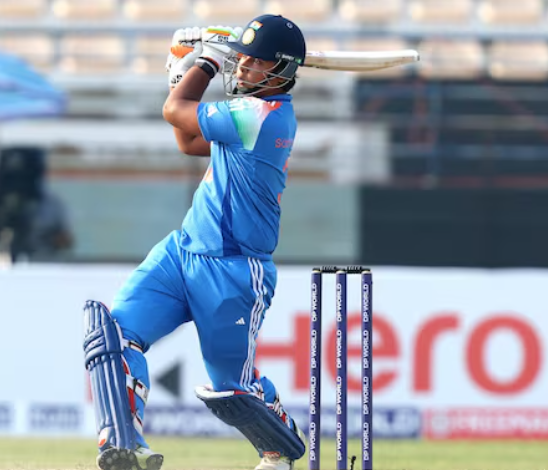
When the match went to a Super Over, India had a young explosive batsman in their ranks – 14-year-old Vaibhav Suryavanshi, who had smashed 38 runs off just 15 balls earlier in the match. Any sensible captain would have sent their best hitter to get quick runs. But Jitesh Sharma made an inexplicable decision. He chose to send himself and Ashutosh Sharma to bat instead.
The result was embarrassing. Both batsmen were dismissed for golden ducks. India scored zero runs in the Super Over. Not one. Not two. Zero. Bangladesh strolled into the final while India’s campaign ended in the most humiliating fashion possible.
No Excuse for Well-Paid Professionals
After the match, Jitesh Sharma said he would take full responsibility and claimed it was a “team decision.” But what choice did he have? When you make such an obvious blunder, putting your hands up is the only option left. The truth is that these words ring hollow when the mistake was so clear to everyone watching.
These are not amateur cricketers learning the game. These are IPL players who earn very good money. They are supposed to be India’s next generation of talent, ready to step up to the national team. Being well-paid professionals means you should have better judgment, better game awareness, and better decision-making under pressure.
A Pattern of Poor Performance
The Super Over disaster was not an isolated incident. It was the final chapter in a tournament that exposed India A as the weakest team among the four semi-finalists. Against Pakistan, India collapsed from a comfortable 91 for 2 to being all out for just 136. They lost eight wickets for 45 runs, showing they couldn’t handle pressure. Pakistan then chased down the target easily in just over 13 overs, winning by eight wickets.
Against Bangladesh in the semi-final, India were cruising at 150 for 4 after 15 overs. They should have closed out the game from there. Instead, they struggled and let Bangladesh back in, eventually tying the match. A team with proper game sense finishes that chase without drama.
Lack of Basic Skills
Throughout the tournament, India’s players showed a worrying lack of basic cricket skills. The bowlers had no discipline, bowling on both sides of the wicket and making it easy for batsmen. The fielding was poor, with dropped catches at crucial moments. The batting lineup couldn’t handle pressure situations.
These are fundamental errors that should not happen at this level, especially for players who are part of the IPL system. It seemed like the team lacked hunger and the desire to compete. Pakistan and Bangladesh both looked sharper, more disciplined, and more determined.
The Few Bright Spots
There were only two players who looked genuinely promising. Vaibhav Suryavanshi, at just 14 years old, showed he is a special talent with his aggressive batting. Priyansh Arya also contributed well with 44 runs. But two players cannot carry a whole team, and their efforts only highlighted how mediocre the rest of the squad was.
The question the selectors need to answer is why was not Muresh and Sarfaraz Khan not in the squad. Two talented and exciting batting prospects!
The Bottom Line
Jitesh Sharma’s captaincy was clueless throughout the tournament, and his Super Over decision will be remembered as one of the worst calls in Indian cricket. But he was not alone in failing. The entire team looked second-rate compared to Pakistan and Bangladesh.
For well-paid IPL professionals representing India, this performance was simply not good enough. The lack of basic skills, poor game awareness, and weak temperament under pressure showed that this group of players has a long way to go. India deserved to go out in the semi-finals because they were simply not good enough. The captaincy blunders just made it more painful to watch.