

THE ASIAN INDEPENDENT UK

Bal Ram Sampla
Geopolitics
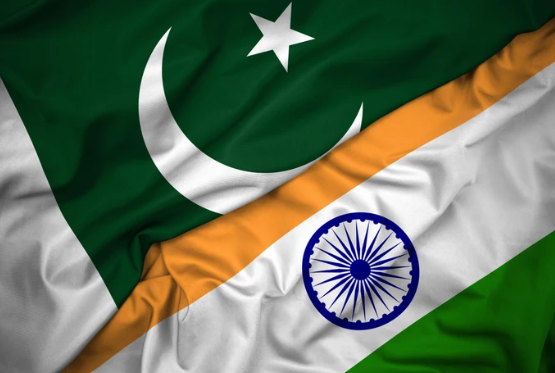
Every year at the United Nations General Assembly, a familiar drama unfolds. Pakistan’s Prime Minister takes the podium and raises the Kashmir issue, while Turkish President Erdogan also chimes in with his support. Pakistani supporters in the gallery often respond with cheers, claps, and shouts of “Pakistan Zindabad.” But behind this theatrical display lies a more complex diplomatic game that India has learned to play with increasing sophistication.
India’s Counter-Strategy: Tit for Tat
India’s diplomatic approach under External Affairs Minister S. Jaishankar has evolved into a counter-strategy that goes beyond mere defensive responses. When Pakistan or Turkey raises Kashmir, India doesn’t just deny the allegations – it actively redirects attention to their own territorial issues.
The most notable example is India’s consistent raising of the Cyprus issue whenever Erdogan mentions Kashmir. This is not coincidence but calculated diplomacy. When Turkey, which has occupied northern Cyprus since 1974, criticizes India over Kashmir, Jaishankar strategically holds bilateral meetings with Cypriot officials and emphasizes UN Security Council resolutions on Cyprus that Turkey has ignored for decades. The message is clear: “Fix your own house before pointing fingers at others.”
Similarly, when Pakistan’s Prime Minister makes his annual Kashmir speech, India responds with what Jaishankar calls addressing the “Pakistan problem.” Instead of getting defensive, India goes on the offensive, highlighting Pakistan’s support for terrorism, its illegal occupation of parts of Kashmir, and its record on minority rights.
The Domestic Audience Reality
What makes Pakistan’s UN theatrics particularly revealing is how they’re designed more for domestic consumption than international persuasion. The cheering supporters in the gallery, the emotional rhetoric, and the dramatic promises all play well back home in Pakistan, where the government needs to show it’s “fighting for Kashmir” on the world stage.
However, most countries at the UN see through this performance. They understand that Pakistan’s Kashmir rhetoric serves multiple domestic purposes: it distracts from internal problems like economic crises, satisfies religious nationalist sentiments, and allows politicians to appear strong on foreign policy without actually achieving anything concrete.
International observers note that Pakistan’s approach has remained essentially unchanged for decades, repeating the same arguments and making the same demands year after year. This repetitive nature has led many countries to view it as political theatre rather than serious diplomacy.
Theatre vs. Substance
The international community increasingly sees Pakistan’s UN performances as aimed at domestic audiences rather than genuine diplomatic efforts. Several factors contribute to this perception:
1.Predictability
Pakistan’s Kashmir speech has become so routine that diplomats often know what will be said before the Prime Minister even takes the podium. This predictability reduces its impact and makes it appear more like a ritual than a serious policy initiative.
2.Lack of New Solutions
Pakistan rarely offers fresh approaches or realistic solutions. The same demands for UN intervention, plebiscites, and international mediation are repeated despite decades of rejection by India and limited international support.
3.Contrast with Other Issues
When countries face genuine territorial disputes, they often engage in quiet diplomacy, bilateral negotiations, or seek creative solutions. Pakistan’s loud, public approach contrasts sharply with more serious diplomatic efforts elsewhere.
4.Economic vs. Political Priorities
Many countries notice that Pakistan spends considerable time on Kashmir rhetoric while its economy struggles and basic governance issues remain unaddressed. This creates an impression of misplaced priorities.
India’s Response
India’s diplomatic maturity shows increasing sophistication. Rather than simply responding defensively, India now:
1.Preemptive Messaging
India often sets the narrative early, emphasizing terrorism, cross-border attacks, and Pakistan’s own human rights record before Pakistan even speaks.
2.Strategic Redirection
By raising issues like Cyprus (for Turkey) or Balochistan (for Pakistan), India shifts the conversation to make accusers defend their own actions.
3.Bilateral Engagement
India uses UN sessions to strengthen bilateral relationships with other countries, showing active diplomacy rather than just reactive responses.
4.Fact-Based Approach
India increasingly relies on specific data, incidents, and documented evidence rather than emotional appeals, which resonates better with international audiences.
Pak Diminishing Returns
Pakistan’s theatrical approach to Kashmir at the UN appears to be yielding diminishing returns. While it may satisfy domestic audiences and religious nationalist groups, it has failed to generate meaningful international pressure on India or change the ground reality in Kashmir.
The lack of concrete outcomes from decades of such speeches has led many Pakistani analysts to quietly question whether this approach serves Pakistan’s interests. Meanwhile, India’s diplomatic responses have helped it maintain international support while effectively countering Pakistan’s narrative.
Conclusion
The annual UN drama over Kashmir reveals more about domestic politics in Pakistan than about serious diplomatic efforts to resolve the issue. While Pakistani supporters may cheer in the gallery, the international community increasingly views these performances as theater aimed at home audiences rather than genuine diplomacy.
India’s response strategy demonstrates how modern diplomacy works – not through emotional appeals or dramatic speeches, but through strategic redirection, fact-based arguments, and consistent counter-narratives that expose the contradictions in opponents’ positions.
In this diplomatic chess game, Pakistan appears stuck repeating the same moves while India has learned to play several moves ahead, using each opponent’s criticism as an opportunity to highlight their own vulnerabilities. The result is a gradual shift in how the international community perceives these annual UN exchanges – less as serious diplomatic initiatives and more as political theatre with a captive domestic audience.
References
1.https://theprint.in/theprint-essential/what-is-the-cyprus-turkey-issue-jaishankar-referred-to-after-erdogans-kashmir-remark-at-unga/738527/
2.https://www.theweek.in/news/world/2024/09/29/jaishankars-scathing-reply-to-pakistan-pm-shehbaz-sharif-only-issue-to-be-resolved-is-pok.html
3.https://www.business-standard.com/external-affairs-defence-security/news/india-pakistan-pm-shehbaz-sharif-unga-petal-gahlot-un-assembly-terrorism-125092700248_1.html
4. https://m.thewire.in/article/diplomacy/jaishankar-pakistan-terrorism-kashmir-impunity-unga