

THE ASIAN INDEPENDENT UK
Leicester – The Indian Workers Association (Great Britain) has raised serious concerns over the UK’s sweeping changes to immigration and asylum policy, warning that the reforms could result in increased hardship, family separation and long-term uncertainty for thousands of people across the country.
The new Immigration Rules, which came into effect on 11 November, replace the long-standing Part 9: Grounds for Refusal with a much stricter unified framework known as Part Suitability. This system now applies across almost every visa category — including family, private life, work, student, visitor and settlement routes — and gives the Home Office the power to refuse applications for issues previously seen as minor. These include short overstays, administrative errors, low-level past convictions and unpaid NHS debts. Although no public refusals under the new regime have yet been reported, applications can now be refused under these tougher rules, even where applicants previously had strong prospects of success.
Legal specialists warn that the reforms significantly weaken the practical protection offered by Article 8, the human right to family and private life. Under the new structure, caseworkers must first apply Suitability rules before considering compassionate or family-based factors, increasing the risk of refusal at the earliest stage.
As a result, more people may now be forced into the appeal system, which community groups describe as slow, complex and increasingly unaffordable for ordinary working families.
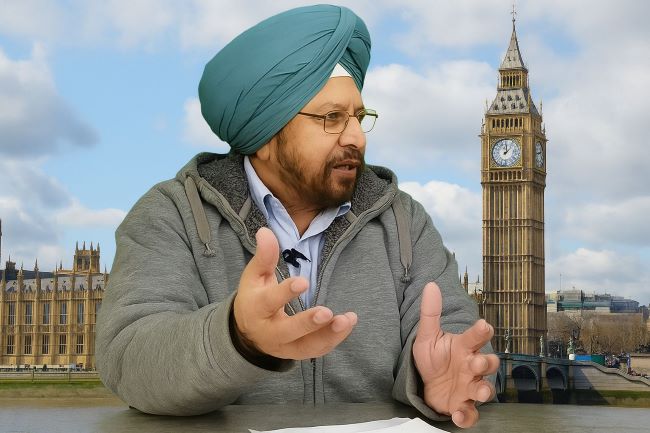
“Legal representation has become extremely expensive. Many low-income families will struggle to challenge unfair refusals. With Article 8 weakened, more families will now have to rely on Section 55 — the duty to protect the best interests of children — simply to stay together,” said Sital Singh Gill, leading immigration lawyer and General Secretary of the Indian Workers Association (G.B.).
The Home Secretary has also announced a major overhaul of the asylum system, including temporary refugee protection, tougher rules for family reunion and the possibility that housing and subsistence support may become discretionary rather than guaranteed. For many, the pathway to settlement could now stretch up to 20 years, creating prolonged uncertainty for vulnerable individuals.
The Indian Workers Association warns that these combined reforms will disproportionately affect South Asian, African, Caribbean, Middle Eastern and other minority communities, many of whom rely on family routes or humanitarian protection. The organisation says the reforms risk undermining the UK’s long-standing tradition of fairness, justice and compassion.
Community leaders are calling for a review of the strictest elements of Part Suitability, stronger protections for children at the first decision stage and improved access to legal advice for families facing refusal.