
THE ASIAN INDEPENDENT UK

Bal Ram Sampla
Geopolitics
The controversy began when a video appeared on Donald Trump’s social media account that many people saw as clearly racist. The video was edited to show Barack and Michelle Obama’s faces placed on dancing apes. For many years, comparing Black people to apes has been used as a way to insult and dehumanise them, so this image immediately caused anger and shock. People from civil rights groups, journalists, and politicians across the political spectrum called it offensive and unacceptable.
The video was not just a random clip. It was part of a longer piece that promoted false claims about the 2020 election and attacked Trump’s political opponents. Near the end of the video, the Obamas appear as dancing apes, set to playful music, which made it seem like a casual joke rather than a serious statement. To many viewers, that made it even worse, because it treated a racist stereotype as light entertainment. The fact that the video came from an account linked to the president’s office gave it extra weight.
At first, a spokesperson defended the video by describing it as a meme where Trump is shown as a powerful “king” and his rivals as cartoon characters. Later, the explanation changed. The White House said a staff member had shared the video “by mistake” and removed it after some time. This attempt to distance Trump from the specific racist part did little to calm critics, because the video had already spread widely and the offensive imagery was clear and deliberate in the edit.
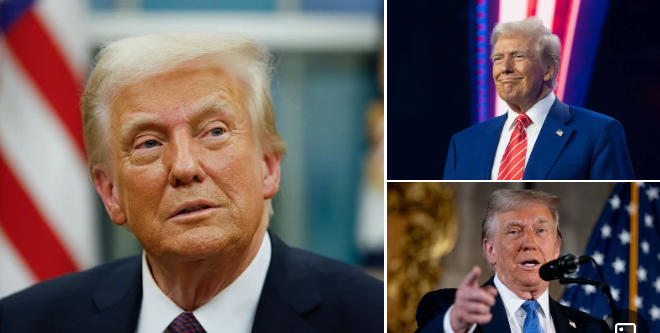
When reporters asked Trump about the controversy, he said he had not watched the entire video. He claimed he only saw the opening parts and did not realise that the Obamas were shown as apes at the end. He also said that he sees many videos and posts every day and cannot check every second of all of them. By putting the blame on a staff member and on the length of the video, he suggested that the offensive section was not his responsibility.
Trump has firmly refused to apologise. When pressed, he said he did not “make a mistake” and therefore saw no reason to say sorry. He repeated his usual claim that he is not racist and insisted that critics are attacking him unfairly. To his supporters, this can appear as strength and refusal to bow to political pressure. To his critics, it looks like a refusal to take responsibility for spreading racist content.
The disagreement over an apology is now a central part of the controversy. Many people believe that, as president, Trump has a duty to clearly reject racist depictions, whether or not he personally pressed the “post” button. They argue that a simple, direct apology to the Obamas and to the public would show respect and leadership. Trump’s decision not to apologise instead deepens the sense of division. It reinforces an image of a leader who rarely admits fault, even when many citizens feel hurt or insulted.
In the end, this incident is about more than a single video. It raises questions about racism, the power of online images, and the standards expected of a president. The use of a racist stereotype against a former president and first lady shows how social media can spread harmful ideas very quickly. Trump’s refusal to apologise sends a message about what he thinks is, and is not, serious enough to deserve regret. For many people, that message is just as troubling as the video itself.
References
1.https://www.nbcnews.com/politics/white-house/trump-shares-racist-video-depicting-obamas-monkeys-rcna257756
2.https://abcnews.go.com/Politics/trump-shares-video-includes-racist-depiction-obamas-sparking/story?id=129918626
3.https://www.scrippsnews.com/politics/the-president/trump-refuses-to-apologize-blames-staffer-for-video-depicting-obamas-as-apes