By Surjit Singh Flora

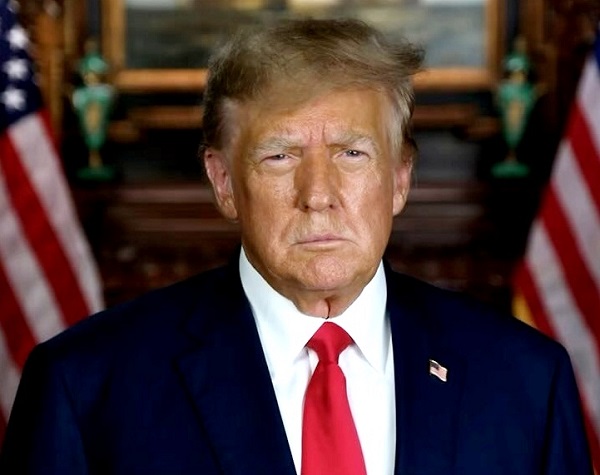
(Asian independent) Donald Trump built a political brand on one simple promise: he could threaten hard, move fast, and still control the ending. That image depends on clean results and clear submission.
The 2026 Iran clash blurred that picture. What followed looked less like command and more like bargaining, and that difference mattered more than any formal claim of victory.
Trump’s opening line was blunt. Iran had to reopen the Strait of Hormuz, stop setting conditions, and absorb pressure on Washington’s terms.
That mattered because the demand was political as much as military. A fast Iranian climbdown would have backed Trump’s favorite story, that force plus deadlines produce obedience.
Instead, Iran did not yield in that clean way. Publicly, Tehran tied safer passage and de-escalation to its own security terms, including a halt to attacks and coordinated steps. That gave Iran room to look like an actor with choices, not a state taking orders.
The Strait was never a side issue. It was the pressure point, because oil flows, shipping routes, and market nerves all run through it.
So, if Iran could still shape access there, Trump’s threats had not produced the compliance he wanted. In image terms, the chokepoint exposed the gap between a hard demand and a controlled outcome.
Trump began with ultimatums. According to reports from late March, he warned Iran to reopen the Strait within 48 hours or face expanding attacks on major infrastructure and oil facilities.
By April 7 and 8, the posture had changed. After Pakistan’s Prime Minister Shehbaz Sharif and Field Marshal Asim Munir urged more time, Trump agreed to a two-week suspension tied to a reopening of the Strait and wider talks. He called it a “double-sided ceasefire.”
A leader can change course and still look strong, but only if the change looks chosen. Here, the pause looked pushed by events, Iran’s resistance, and the danger of a wider war.
Iran framed the pause as confidence, not weakness. Its line stayed steady: attacks had to stop, red lines remained, and any talks would happen on terms it could accept.
That helped Tehran looks composed. Trump, by contrast, looked like he was stepping back from his own hardest line.
Pakistan’s part in the episode made the optics worse for Trump. The issue was not only that outside help was needed. It was that Pakistan appeared to carry messages, buy time, and help open the road to de-escalation.
Trump’s own public thanks made that visible. He credited Sharif and Munir in announcing the pause, which turned Pakistan from a background player into a visible broker.
The contrast with Trump’s earlier India-Pakistan crisis messaging sharpened the damage. In that story, he cast himself as the steady hand above the chaos, while Pakistan looked like the side needing help.
Trump didn’t just fail to break Iran’s resistance on the terms he set. In the end, he also had to edge toward a way out shaped by pressure from allies, rivals, and events he couldn’t control. That mattered because his public image rested on force, command, and personal deal-making. Instead, he looked boxed in, with fewer choices than he claimed. That’s why the embarrassment hit so hard, it wasn’t only a failed threat, but a very public loss of control.
The same Pakistan he once used to boost his image became part of the path out. That reversal damaged Trump’s central political story, the claim that every crisis bends to his will.
Pakistan, for its part, turned regional danger into fresh relevance once again. Trump lost the image battle, and Islamabad helped make that loss visible.