THE ASIAN INDEPENDENT UK

Bal Ram Sampla
Geopolitics
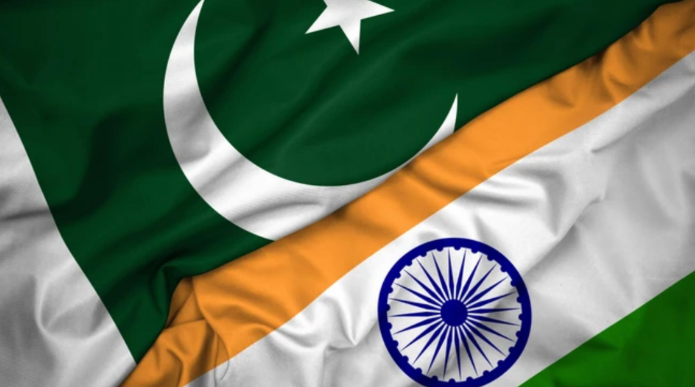
The relationship between India and Pakistan has been marked by decades of conflict, mistrust, and failed peace initiatives. Despite numerous attempts at diplomatic dialogue, a consistent pattern has emerged where peace overtures are undermined by terrorist attacks and military actions. The recent statements by Pakistan’s Foreign Minister Ishaq Dar, calling for comprehensive talks with India, once again raise the fundamental question: can Pakistan be trusted?
Who is in Charge?
One of the obstacles to successful India-Pakistan diplomacy lies in Pakistan’s unique institutional structure. Unlike most democratic countries where civilian governments control foreign and security policy, Pakistan operates under what experts call a “deep state” system. The military establishment, led by the Pakistan Army and intelligence agencies like the ISI (Inter-Services Intelligence), has historically wielded enormous influence over the country’s decisions.
This dual authority creates a fundamental problem: while civilian leaders like Prime Ministers and Foreign Ministers may genuinely desire peace with India, they often lack the power to implement their promises. The military establishment maintains its own agenda, frequently viewing India as an threat and using militant groups as strategic assets in this larger conflict. This means that even when civilian leaders sign agreements or make commitments, the security establishment can undermine these efforts through covert operations or by allowing non-state actors to carry out attacks.
Diplomatic Betrayals
Two examples stand out as clear illustrations of how Pakistan’s divided authority has repeatedly sabotaged peace efforts.
1. In 1999 when Indian Prime Minister Atal Bihari Vajpayee made a historic bus journey to Lahore, Pakistan, in February 1999. This visit represented a genuine attempt at improving bilateral relations and was welcomed by Pakistan’s Prime Minister Nawaz Sharif. However, just three months later, in May 1999, the Pakistan Army launched the Kargil operation, sending soldiers and militants across the Line of Control into Indian territory. This military action completely undermined the government’s peace initiative and led to a major conflict. The timing was particularly significant because it showed that while civilian leaders were talking peace, the military was simultaneously planning war.
2. When Indian Prime Minister Narendra Modi made a visit to Pakistan in December 2015, meeting with then-Prime Minister Nawaz Sharif. This diplomatic gesture raised hopes for improved relations between the two countries. However, this initiative was quickly derailed by a series of terrorist attacks on Indian soil. The Pathankot airbase attack in January 2016, the Uri military base attack in September 2016, and the Pulwama attack in February 2019 all involved militant groups with suspected links to Pakistan’s intelligence agencies. These attacks followed a clear pattern: whenever diplomatic progress seemed possible, terrorist incidents would occur that would force India to abandon peace talks.
India’s Position on Terrorism and Talks
India’s insistence that Pakistan must first dismantle terrorist infrastructure before meaningful talks can begin.
Indian leaders have consistently argued that dialogue cannot be conducted under the shadow of terrorism.
Pakistan, on the other hand, argues for comprehensive talks that address all issues, including Kashmir, trade, and terrorism simultaneously. While this might seem reasonable, the historical evidence suggests that Pakistan’s civilian government cannot deliver on commitments regarding terrorism control due to the power of the military and intelligence agency.
2025 Conflict
The recent escalation between India and Pakistan in May 2025, which involved cross-border strikes and required international intervention to establish a ceasefire, has once again highlighted these underlying problems. Despite the ceasefire and Foreign Minister Dar’s calls for comprehensive dialogue, the fundamental institutional issues remain unchanged.
Conclusion
The question of whether Pakistan can be trusted in diplomatic negotiations with India cannot be answered with a simple yes or no. The evidence suggests that Pakistan’s civilian leaders genuinely desire peace, but they are severely limited to deliver on commitments, particularly regarding terrorism and security issues.
Until Pakistan’s civilian government gains genuine control over its military and intelligence agencies, and until it demonstrates a commitment to dismantling terrorist infrastructure, India’s tough approach appears justified. The historical pattern of diplomatic betrayals – from Kargil after Lahore to Pulwama after Modi’s Lahore visit – provides clear evidence that peace initiatives are vulnerable to sabotage by elements within the Pakistani state.
Pakistan is eager to talk, now that Indus Water Treaty is in abeyance. It is this tough stance that Pakistan realise the impact it will have on its people and agriculture.
Today, Foreign Minister talks of comprehensive dialogue. Few weeks ago in Florida, United States Field Marshal Munir made sabre ratling speech of nuclear war!
Who do you trust?
Reference
1. ndiatvnews.com/news/world/pakistan-ready-for-dialogue-with-india-on-kashmir-and-all-other-issues-months-after-operation-sindoor-debacle-says-ishaq-dar-2025-08-22-1004702