

Balram Sampla

Geopolitics
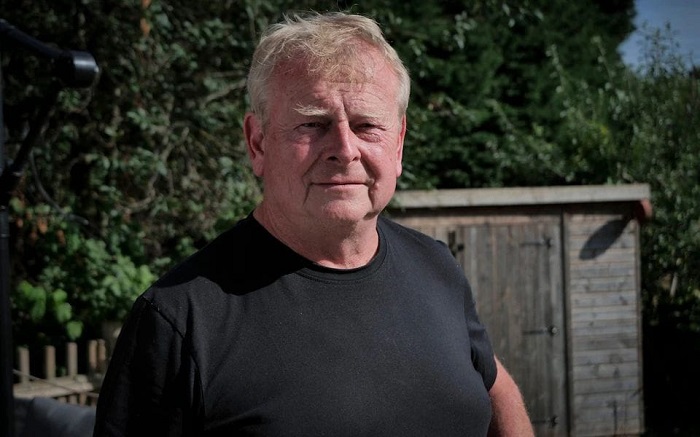
(Asian independent) In Britain, people used to have the clear right to mock or criticize any religion. Official blasphemy laws, which made it illegal to insult Christianity were ended in 2008. However, recent court cases, like the conviction of retired police officer Stephen Gray for sharing an offensive meme about Islam, have made many people feel that blasphemy laws are secretly coming back.
Public anger centres on two main ideas: “two-tier policing” and “backdoor blasphemy laws.”
1. Two-Tier Policing?
Two-tier policing is the belief that police and courts treat people differently depending on their background or religion. Many citizens notice that mocking Christianity, politicians, or British traditions is treated as normal comedy. Yet, when people make offensive jokes about Islam online, police often arrest and charge them under Section 127 of the Communications Act 2003.
To the public, punishing a 65-year-old grandfather over a Facebook meme, while ignoring everyday street crimes feels unfair and biased.
2. Blasphemy Through the Backdoor
Technically, it is not illegal to criticize Islam in the UK. However, the law makes it a crime to send messages online that are “grossly offensive.” Because “offensive” is a matter of personal opinion, courts end up punishing people simply for hurting religious feelings. Free-speech groups argue that if you go to court for offending a religion, then blasphemy laws have returned in disguise.
3. Why Critics Blame the Labour Party
Many critics hold the Labour Party responsible for creating and expanding this system, pointing to two major actions:
(I) Passing Broad Speech Laws.
In 2003, Tony Blair’s Labour government passed the Communications Act. While it was meant to stop serious harassment, critics say Labour wrote the “grossly offensive” rule too vaguely, giving police the power to arrest people for bad jokes.
(II) Defining “Islamophobia”: Critics also point to the modern Labour government’s push to create an official definition of “Islamophobia” (often called anti-Muslim hostility). Free-speech advocates argue that Labour is doing this to win votes from specific communities. They warn that giving the government an official rulebook on what counts as “anti-Muslim” will make police and workplaces even faster to punish legitimate criticism of Islam.
Conclusion
The anger over Stephen Gray’s case is not really about defending offensive jokes. Instead, it is about fairness. People want the law to treat everyone equally. Until the rules on “offensive” speech are made clearer and applied the same way to every religion, many British citizens will continue to believe the justice system is biased.
Refeŕence
1.https://freespeechunion.org/news/stephen-gray-appeals-his-conviction-for-a-joke-about-islam?hl=en
2.https://www.itv.com/news/tyne-tees/2026-11-13/ex-officer-appeals-against-conviction-for-offensive-facebook-post-about-islam?hl=en-GB
3.https://theprint.in/feature/ex-cops-conviction-offensive-islam-joke-blasphemy-debate-uk/3100275/?hl=en-GB