

A 22-year-old man walks into a police station. A fewA Blanket, a Toilet, a Dead Dalit
Balram Sampla
Geopolitics
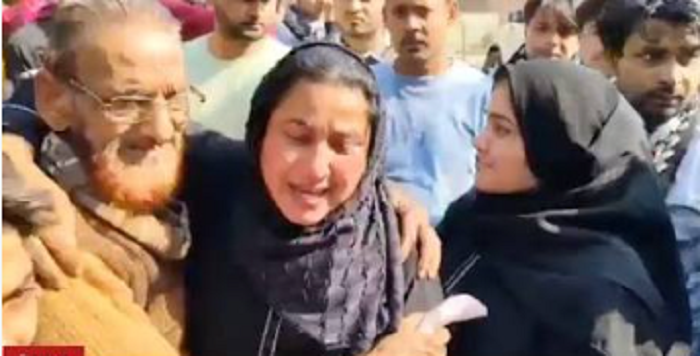
(Asian independent) A 22-year-old man walks into a police station. A few hours later he is dead. The police say he hanged himself with a blanket in a toilet, in a building full of armed men whose job is to keep him alive.
His family says he was beaten. This is not a new story. It is the same story, told again with a different name.
India abolished untouchability in 1950, on paper. In practice, a Dalit is still beaten for riding a horse at his own wedding, killed for loving the wrong person, and humiliated for drinking from the wrong well. Parliament passed the SC/ST (Prevention of Atrocities) Act because the state itself admitted that ordinary law was not enough.
Caste violence needed its own law, because caste violence has its own protectors.
But a law is only as strong as the hands that enforce it. And those hands, too often, belong to the same society that committed the crime. The police officer who registers the FIR may share the accused’s caste, his village, his prejudice.
Complaints get delayed. Cases get diluted. Witnesses are threatened until they go quiet. The conviction rate under the Act has stayed shamefully low for years. Somewhere in that gap between the crime and the verdict, justice goes missing.
When a Dalit dies in custody, the script is familiar. Suicide is declared before the investigation begins. The postmortem is done without the family present. The CCTV footage is “secured,” and then never seen again. A couple of officers are suspended, the public is told the system is working, and the story fades from the news. Suspension is not justice. It is a pause, and everyone involved knows how it ends.
That is why the family’s demand for an independent investigation is not radical. It is the bare minimum. An inquiry run by the same department under suspicion cannot be trusted to convict itself. The postmortem, the footage, and the questions about how a man in custody had a blanket and how it could be used to hang him must all be examined in the open.
Every society is judged by how it treats those it has historically crushed. By that measure, we are failing. Not because the law is absent, but because our will to use it against the powerful is.
Justice for Dalits is not charity. It is not a favour. It is what the Constitution promised, and what the powerful keep withholding.
Reference
1.https://m.thewire.in/article/government/opposition-asks-for-murder-probe-as-suspensions-follow-dalit-mans-death-in-uttar-pradesh-police-custody
2.https://kmsnews.org/kms/2026/09/22/dalit-youths-death-in-up-police-station-raises-fresh-questions-over-custodial-safety.html
6 hours later he is dead. The police say he hanged himself with a blanket in a toilet, in a building full of armed men whose job is to keep him alive.
His family says he was beaten. This is not a new story. It is the same story, told again with a different name.
India abolished untouchability in 1950, on paper. In practice, a Dalit is still beaten for riding a horse at his own wedding, killed for loving the wrong person, and humiliated for drinking from the wrong well. Parliament passed the SC/ST (Prevention of Atrocities) Act because the state itself admitted that ordinary law was not enough.
Caste violence needed its own law, because caste violence has its own protectors.
But a law is only as strong as the hands that enforce it. And those hands, too often, belong to the same society that committed the crime. The police officer who registers the FIR may share the accused’s caste, his village, his prejudice.
Complaints get delayed. Cases get diluted. Witnesses are threatened until they go quiet. The conviction rate under the Act has stayed shamefully low for years. Somewhere in that gap between the crime and the verdict, justice goes missing.
When a Dalit dies in custody, the script is familiar. Suicide is declared before the investigation begins. The postmortem is done without the family present. The CCTV footage is “secured,” and then never seen again. A couple of officers are suspended, the public is told the system is working, and the story fades from the news. Suspension is not justice. It is a pause, and everyone involved knows how it ends.
That is why the family’s demand for an independent investigation is not radical. It is the bare minimum. An inquiry run by the same department under suspicion cannot be trusted to convict itself. The postmortem, the footage, and the questions about how a man in custody had a blanket and how it could be used to hang him must all be examined in the open.
Every society is judged by how it treats those it has historically crushed. By that measure, we are failing. Not because the law is absent, but because our will to use it against the powerful is.
Justice for Dalits is not charity. It is not a favour. It is what the Constitution promised, and what the powerful keep withholding.
Reference
1.https://m.thewire.in/article/government/opposition-asks-for-murder-probe-as-suspensions-follow-dalit-mans-death-in-uttar-pradesh-police-custody
2.https://kmsnews.org/kms/2026/09/22/dalit-youths-death-in-up-police-station-raises-fresh-questions-over-custodial-safety.html