THE ASIAN INDEPENDENT UK

Bal Ram Sampla
Geopolitics
India’s Constitution is often celebrated as one of the most progressive documents in the world. It explicitly abolishes “untouchability” under Article 17, guarantees fundamental equality, and establishes strict laws like the Scheduled Castes and Scheduled Tribes (Prevention of Atrocities) Act to punish caste-based crimes.
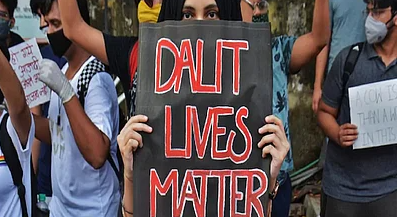
Yet, on the ground, brutal violence against Dalits continues with alarming frequency. For many marginalized communities, this gap between what the law promises and what actually happens creates a deep sense of betrayal—leading some to argue that legal protection felt more reliable under British rule.
Why the Constitution Fails to Deliver Justice on the Ground
The failure to protect Dalits is not a failure of written law; it is a failure of human institutions.
(1) Dominant-Caste Control of Police and Administration
The primary entry point to the justice system is the local police station. In rural and semi-urban areas, local law enforcement and administrative bodies are frequently dominated by upper or dominant castes. When a Dalit attempts to file a complaint, officers often refuse to register a First Information Report (FIR), pressure the victim to compromise, or actively shield the accused.
(2) Low Conviction Rates and Endless Delays
Even when cases reach court, special atrocity courts face massive backlogs. Trials take years, during which powerful perpetrators use economic pressure, social boycotts, or physical threats to force Dalit victims and witnesses to retract their testimony.
(3) Social and Economic Dependence.
In many villages, Dalits remain landless agricultural laborers dependent on dominant-caste landowners for daily wages. Seeking legal justice often results in an immediate economic blockade, making survival nearly impossible for the victim’s family.
The Colonial Paradox: Why Some Feel Pre-1947 Was Better
The sentiment that Dalits had “better protection” under the British stems from a specific historical perspective, though the reality of colonial rule was complex:
1. Colonial Institutions as an Escape Route
Under British rule, the establishment of a centralized legal system, public schooling, and recruitment into the military and civil services allowed Dalits to bypass traditional village hierarchies for the first time. Leaders like Dr. B.R. Ambedkar utilized Western legal concepts and colonial courts to demand civil rights, viewing British administrative structures as a neutral counterweight to local caste oppression.
2. The “Transfer of Power” Critique
Many social reformers argued that Independence in 1947 primarily transferred political authority from British rulers to upper-caste Indian elites. While the new state adopted democratic rhetoric, it inherited local administrative structures that remained socially conservative. As a result, the state apparatus often protects the interests of local elites rather than enforcing constitutional rights for the vulnerable.
3. The Reality of British Neutrality
While the British provided individual legal avenues, colonial policy was driven by self-interest, not Dalit emancipation. To maintain stability, British authorities largely followed a policy of non-interference in native social customs, which preserved traditional caste power dynamics in rural areas. Furthermore, colonial laws codified and rigidified caste identities through administrative mechanisms like the census.
Political Equality vs. Social Tyranny
Dr. Ambedkar famously warned that political independence without social equality would render democracy incomplete. A constitution can outlaw discrimination on paper, but it cannot automatically dismantle centuries of embedded social prejudice.
Until state institutions, police, prosecutors, and local courts,are held strictly accountable for enforcing the law without caste bias, constitutional guarantees will remain empty promises for those who need them most.