

THE ASIAN INDEPENDENT UK

Bal Ram Sampla
Geopolitics
The Incidents: Hasnapur and Chandpur
On the night of August 12, 2026, two separate incidents of vandalism targeted statues of Dr. B.R. Ambedkar in rural Uttar Pradesh:
Located under the Soharamau police jurisdiction, local Dalit villagers awoke to find the Ambedkar statue damaged.
Chandpur Village (Etawah District): Located under the Ekdil police jurisdiction, a nearly 33-year-old Ambedkar statue was similarly desecrated overnight.
In both villages, the vandalism sparked immediate sit-in protests (dharnas) by local Dalit residents, who demanded swift police investigation and the arrest of the perpetrators. To maintain public order and de-escalate tension, local officials and police forces arrived at both sites, filed formal complaints (FIRs), and reinstalled new statues by the following evening.
Why Is This Happening on a Regular Basis?
Attacks on statues of Dr. B.R. Ambedkar in rural India are rarely simple acts of random destruction. Instead, they are deeply linked to underlying caste dynamics, social change, and systemic administrative responses.
1. Rejection of Dalit Spatial Assertion.
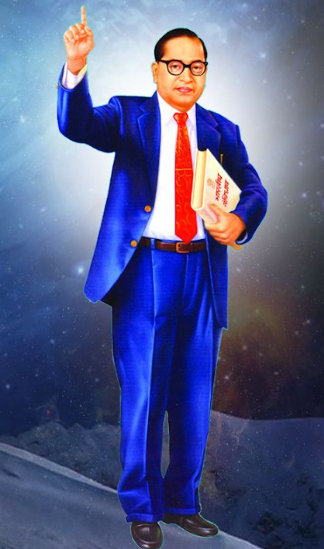
In many villages, public central spaces (chaurahas) were historically controlled by dominant caste groups. Setting up a statue of Dr. Ambedkar,holding the Constitution and pointing forward, is a visible statement of dignity, equal citizenship, and spatial rights by historically marginalized communities. For feudal or dominant-caste elements, destroying the statue is an attempt to symbolically reclaim that space and signal dominance.
2. Backlash Against Growing Rights Consciousness
Dr. Ambedkar represents constitutional law, anti-caste education, and civil rights protection. As marginalized communities become better informed about their legal rights, traditional village hierarchies feel challenged. Vandalism is used as a low-cost tool of intimidation to remind marginalized groups of their lower position in the traditional hierarchy.
3. Deliberate Provocation and Local Friction.
Because Babasaheb Ambedkar commands immense emotional, social, and political reverence, desecrating his image is a guaranteed way to trigger quick public outrage. Local miscreants or political agent provocateurs sometimes exploit this vulnerability to deliberately create caste tension, polarize voters ahead of elections, or distract from local governance issues.
4. The Administrative “Quick-Fix” Cycle.
When vandalism occurs, state administrations routinely prioritize rapid crowd control: they replace the statue within hours, file cases against “unidentified miscreants,” and urge the community to disperse. While this prevents immediate violence, failure to consistently identify, prosecute, and punish the actual culprits leaves the underlying perpetrators emboldened, causing the cycle to repeat elsewhere.
Conclusion
Statues of Dr. B.R. Ambedkar are not merely stone or metal monuments; they represent constitutional equality, social mobility, and self-respect. Until local authorities move past temporary replacements and ensure strict legal accountability, these monuments will continue to be vulnerable targets for social friction and political intimidation.
References
- https://www.thehindu.com/news/national/uttar-pradesh/uproar-erupts-as-ambedkar-statues-vandalised-in-uttar-pradeshs-unnao-etawah/article71337404.ece?hl=en-