THE ASIAN INDEPENDENT UK

Bal Ram Sampla
Geopolitics
The upcoming conference in Europe regarding the Indus Waters Treaty is a clear sign of Pakistan’s growing diplomatic desperation. Facing a severe water crisis and complete diplomatic isolation from India, Islamabad is using climate change as a public relations gimmick to get European nations to interfere in South Asian affairs.
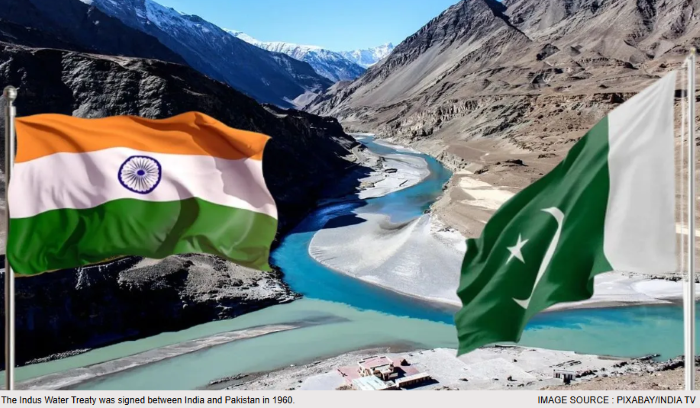
To understand why this is happening, one has to look at how the crisis started. In April 2025, a major militant attack took place in Pahalgam. In response, India took a historic and firm step: it placed the 1960 Indus Waters Treaty “in abeyance” , meaning it temporarily suspended the treaty and restricted water flowing downstream. India’s message was simple: water cooperation and cross-border terrorism cannot go hand in hand.
This move left Pakistan in a severe bind. Because of the 1972 Simla Agreement, India and Pakistan are legally required to solve their issues bilaterally, just between the two of them. But since India refuses to talk until Pakistan stops supporting militant groups, Islamabad has been completely locked out.
This is where the desperation turns into a gimmick. Realizing it cannot pressure India directly, Pakistan is taking the fight to Europe. By holding high-profile conferences in cities like Brussels and Dushanbe, Pakistan is trying to “internationalize” the issue. It wants European governments, the UN, and international courts to step in and force India to negotiate.
However, Pakistan knows that Europe will not get involved in a standard political or military argument between two nuclear neighbors. Therefore, it has cleverly repackaged the entire conflict using “green” language. Pakistan’s diplomats are presenting the issue to European think tanks not as a security dispute, but as a matter of “climate justice.” They argue that Pakistan is a victim of global warming, glacial melt, and “water weaponization” by India.
This focus on the environment is a deliberate distraction. It is an attempt to make European activists and policymakers forget about the Pahalgam terror attack that caused the water cut off in the first place. Furthermore, it allows Pakistan’s leadership to blame India for its own domestic water shortages, which are actually made worse by decades of poor infrastructure and bad water management at home.
Ultimately, this European campaign is a loud public relations exercise that changes very little. While Pakistan might win some sympathy from European environmental groups, the hard reality remains on the ground in South Asia. No amount of international lobbying can bypass India’s firm stance. If Pakistan wants to restore its water security, the solution does not lie in a conference room in Brussels; it lies in taking real, verifiable action against terrorism on its own soil.
References
1.https://www.dawn.com/news/2003262?utm_source
2.https://www.chathamhouse.org/2026/04/india-and-pakistan-still-cannot-agree-restore-indus-waters-treaty-re-engagement-could-help?hl=en
3.https://www.app.com.pk/national/pakistan-to-tell-europe-water-cannot-be-used-as-a-weapon-says-musadik-malik/?hl=en-