

THE ASIAN INDEPENDENT UK

Bal Ram Sampla
Geopolitics
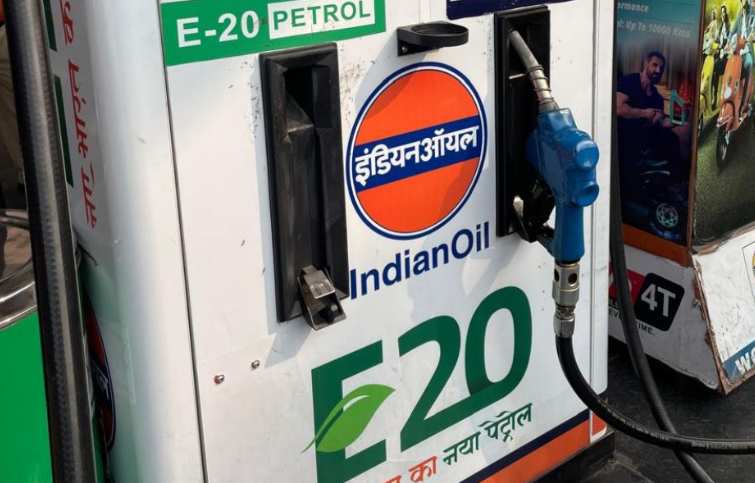
For most of our lives, when we pulled up to a petrol pump, we expected to get petrol — pure and simple. But that is changing. Governments around the world, including India, are now mixing petrol with ethanol, a type of alcohol made from crops like sugarcane and corn. The result is what is called blended fuel. In India today, up to 20% of what you pump into your tank is ethanol, not petrol. Plans are already in place to push that to 30% in the near future.
Why Governments Are Doing This
The reasons behind fuel blending are genuinely good ones.
Reducing dependence on imported oil. India spends enormous amounts of money importing crude oil from other countries. Every litre of ethanol blended into petrol means slightly less oil needs to be bought from abroad. Over millions of vehicles and billions of litres, the savings add up to tens of thousands of crores of rupees each year.
(1). Helping farmers. Ethanol in India is mostly made from sugarcane and surplus rice. When the government buys these crops for ethanol production, it puts money directly into the hands of farmers. This gives agriculture a more stable income stream.
(2). Cleaner air. Ethanol burns more cleanly than pure petrol. It produces fewer harmful emissions, which means less pollution in the air we breathe. Studies show that E20 fuel — 20% ethanol, can reduce carbon emissions by around 30% compared to lower blends.
(3). Energy security. A country that can partly fuel itself using its own crops is less vulnerable to global oil price shocks. When oil prices spike internationally, a nation with strong ethanol blending is partially cushioned.
These are not small or trivial benefits. They represent real improvements in economics, environment, and national security.
The Problem: Not All Engines Were Built for This
Here is where things get complicated.
Ethanol and petrol are not the same substance. Ethanol behaves differently inside an engine, and those differences can cause serious problems, particularly in older vehicles.
(I) Lower energy, lower mileage. Ethanol contains about 30 to 34% less energy per litre than pure petrol. This means your engine has to burn slightly more fuel to travel the same distance. In practice, most drivers notice a drop in mileage of anywhere between 3% and 10% when switching to E20 fuel. You are paying the same price at the pump but getting fewer kilometres out of every litre.
(II) Damage to rubber and seals. Ethanol is a form of alcohol, and alcohol is corrosive. Inside your fuel system, there are rubber hoses, seals, and gaskets. In older vehicles, these components were not designed with ethanol in mind. Over time, ethanol can cause them to swell, crack, or deteriorate. This leads to fuel leaks, rough engine performance, and costly repairs.
(III) Water absorption. Ethanol has a tendency to absorb moisture from the air. In a country like India with high humidity, this can be a real problem. Water in your fuel system causes corrosion, reduces combustion quality, and can even cause the engine to misfire or struggle to start on humid mornings.
Injector and engine issues. Higher ethanol blends can cause injector clogging, overheating in some engines, and rough idling, especially in vehicles that were designed for pure petrol or very low ethanol blends.
Who Is Most at Risk?
Not every vehicle owner faces the same level of risk. The key factor is the age of the vehicle.
Newer vehicles , those manufactured after 2023 in India — are built to handle E20 fuel. Their fuel systems use ethanol-resistant materials, and their engines are calibrated to get the best performance out of blended fuel. For these owners, the transition is largely smooth.
Older vehicles are a different story. Cars and motor bikes that fall under the older BS4 emission standard, which covers a huge portion of vehicles on Indian roads were not designed for high ethanol blends. Using E20 in these vehicles can accelerate wear and tear, cause fuel system damage, and lead to noticeably worse performance over time.
This is the core of the problem. The policy was designed with newer vehicles in mind, but the majority of people on Indian roads are driving older ones. They bear the cost, in worse mileage and higher maintenance , without receiving any reduction in the price they pay at the pump.
What the Government Says
The government’s position is that the concerns are overstated. Studies conducted by Indian Oil Corporation, the Automotive Research Association of India, and the Society of Indian Automobile Manufacturers found that even older vehicles running on E20 did not show dramatic changes in performance or abnormal wear. Officials point to the environmental and economic benefits as far outweighing any drawbacks.
There is also an argument that ethanol’s higher octane rating ,a measure of how well fuel resists knocking in the engine , can actually improve combustion quality in compatible vehicles, giving better acceleration and smoother performance.
The Honest Picture
The truth sits somewhere in the middle.
Fuel blending is a well-intentioned policy with real and measurable benefits for the country as a whole — cleaner air, reduced import costs, income for farmers, and greater energy security. These are not imaginary gains.
At the same time, the burden of this transition is not shared equally. A farmer who grows sugarcane benefits. The national economy benefits. But the person riding an older motorcycle to work every day is getting fewer kilometres per litre, facing higher maintenance costs, and paying the same price at the pump. For them, the policy feels like a quiet cost that nobody officially acknowledges.
As ethanol percentages increase further — toward 30% and beyond — these pressures will only grow for those with older, incompatible vehicles.
What Can You Do?
If you own a newer vehicle made after 2023, you are likely fine. Check your owner’s manual or manufacturer’s website to confirm E20 compatibility.
If you own an older vehicle, a few steps can help protect your engine:
Get your fuel system inspected regularly, paying attention to rubber hoses and seals
Do not let your fuel tank run very low, as ethanol absorbs more moisture when there is less fuel in the tank
Keep up with scheduled maintenance — clean injectors and fresh spark plugs make a real difference
Consider speaking to a mechanic or garage familiar with ethanol-related issues
Conclusion
Fuel blending is neither purely good nor purely bad. It is a trade-off, one that makes sense at a national level but places a real and unacknowledged burden on everyday vehicle owners, especially those with older cars and motor bikes. Understanding what is in your fuel, and what it does to your engine, puts you in a better position to protect your vehicle and make informed choices as this transition continues to unfold.
References
1.https://thefederal.com/category/science/ethanol-blended-petrol-impact-mileage-engine-india-200851
2.https://gadixpert.com/blog/e20-petrol-india-2025-guide
3.https://www.deccanherald.com/amp/story/india/karnataka/no-dip-in-vehicle-efficiency-mileage-with-ethanol-blended-petrol-govt-3822507
4.https://www.business-standard.com/economy/news/india-notifies-standards-petrol-blends-with-up-to-30-pc-ethanol-126051901314_1.html
5.https://www.autocarindia.com/auto-features/how-much-does-ethanol-affect-your-car-mileage-437476