THE ASIAN INDEPENDENT UK

Bal Ram Sampla
Geopolitics
A Political Analysis
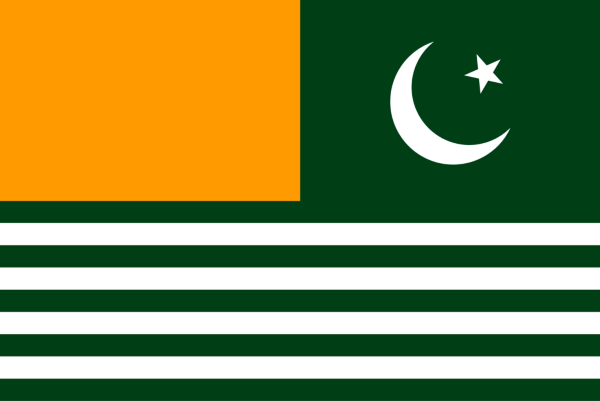
For decades, Pakistan has told the world a simple story. Across the Line of Control from India lies a free, self-governing people — “Azad” Kashmir, liberated territory, living proof that Pakistan is the true champion of Kashmiri rights. It was a clean, powerful narrative. And for years, the world largely bought it.
This week, Pakistan tore that story apart with its own hands.
When the people of so-called Azad Kashmir dared to organise a peaceful strike. It demanded electricity, economic relief, and basic political rights, here is what Pakistan’s response looked like: internet cut. Mobile phones dead. Paramilitary troops flooding the streets. Protest leaders arrested. And the entire civil society movement banned overnight under anti-terrorism laws. Not for planting bombs. Not for violence. For planning a strike.
Ask yourself one simple question. Do free people need their internet switched off to stop them talking?
The answer exposes everything. “Azad” Kashmir — the word means “free” in Urdu, is one of the most cynical acts of branding in modern politics. The territory is not free. It is not self-governing. Its leaders answer to Islamabad. Its rivers are dammed to send electricity to Pakistan’s Punjab while local residents suffer daily power cuts. Its assembly has seats reserved for Pakistani-approved “refugees” so that Islamabad can always control who governs.
For decades, the people have been pushing a 38-point list of basic demands, things any genuinely free people would already have. These are not the grievances of a liberated population. They are the grievances of people living under occupation dressed up in different clothes.
Pakistan fooled the world because the world was not paying close attention and because Pakistan made sure of it. Foreign journalists are kept out. Independent monitors are restricted. And whenever protests erupted, the phones and internet went dark, so no images, no videos, and no stories escaped to the outside world. No story means no pressure. It was a strategy of manufactured invisibility, and it worked for years.
But the lockdown this week made the lie too big to hide. When you cut the phones of four million people, you don’t just silence them locally you silence British Kashmiris trying to call their mothers or members of family. You silence diaspora communities in Birmingham, Bradford, and London who suddenly cannot reach their families. And those people have MPs. And those MPs have a letter, signed by 31 of them, addressed to the British Foreign Secretary, demanding answers from Islamabad.
Pakistan’s response told you everything. Rather than explaining itself, it lashed out calling the British MPs “ill-informed,” warning the diaspora to mind their own business, and insisting the world has no right to ask questions about a territory it simultaneously claims is free and independent. The contradiction at the heart of Pakistan’s position collapsed in public, in real time.
For years, Pakistan lectured the world about Kashmir. It raised the issue at the United Nations. It condemned India at every international forum. It wrapped itself in the language of human rights and self-determination. All while running the other half of Kashmir as a captive territory, no free press, no genuine autonomy, no real democracy, and bullets for anyone who complains too loudly.
The world was hoodwinked because it was convenient to be hoodwinked. Pakistan was a useful ally. The OIC needed bloc solidarity. Western governments needed Islamabad’s cooperation on other matters. Looking away from “Azad” Kashmir cost very little. But information blackouts in the age of the smartphone cost more than Pakistan calculated. The diaspora noticed. Parliament noticed. The world is beginning to notice.
The lockdown did not just fail to suppress the protests. It broadcast Pakistan’s guilt more loudly than any protest banner ever could. Every severed phone line was a confession. Every arrested civil society leader was an admission. Every paramilitary boot on the streets of a supposedly free territory was proof that the freedom was always a fiction.
Pakistan has spent decades pointing at India and shouting about Kashmir. Perhaps it is time the world turned around and looked at what Pakistan has been doing on its own side of the line. The mask has slipped. And this time, it may not go back on.
References
1.https://www.pakistantoday.com.pk/2026/06/04/protest-or-pressure-tactic
2.https://organiser.org/2026/06/02/356358/world/pojk-revolts-against-pakistan-warns-massive-strike-against-reservation-of-legislative-seats-for-pakistani-refugees/
3.https://www.tribuneindia.com/news/world/british-parliamentarians-condemn-pakistans-repression-in-pojk
4. https://tribune.com.pk/story/2612060/fo-warns-uk-diaspora-against-interference-in-pakistan-ajk-affairs-amid-unrest