
THE ASIAN INDEPENDENT UK

Bal Ram Sampla
Geopolitics
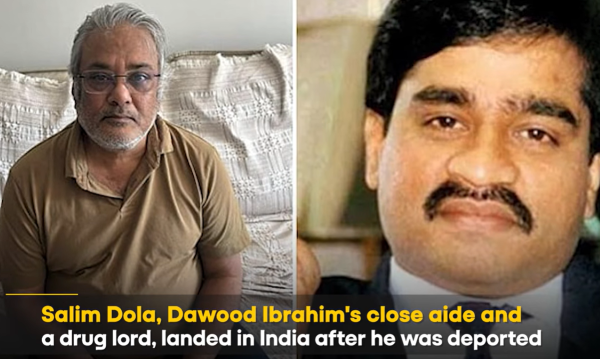
The deportation of Salim Dola from Turkey to India on April 28, 2026, is being hailed as a major intelligence “coup.” Pulling this off required a blend of “high-stakes undercover work, international legal maneuvering, and a strategic focus on shared global threats”.
How India Pulled It Off
1. Operation Global-Hunt
Indian agencies, primarily the Narcotics Control Bureau (NCB) and the CBI, launched a long-term operation called “Global-Hunt.” Instead of just tracking Dola’s political links, they focused on his role as a global narcotics kingpin. By presenting evidence of a drug network worth over ₹5,000 crore that touched the Middle East and Europe, India made Dola a target that Turkey could not ignore, regardless of the chilly diplomatic ties between New Delhi and Ankara.
2. Leveraging the Interpol Red Notice
India successfully secured an Interpol Red Notice in 2024. This turned a bilateral issue into an international obligation. When Turkish intelligence (MIT) tracked Dola to a residence in the Beylikdüzü district of Istanbul, the Red Notice provided the immediate legal justification for his arrest.
3. Exploiting Local Enforcement Shifts
Turkey has recently taken a harder stance against international crime lords using Istanbul as a playground. Indian intelligence provided actionable, real-time data—including Dola’s use of a forged UAE passport—which allowed Turkish authorities to frame the arrest as part of their own domestic “cleanup” of foreign criminal elements.
What This Deportation Means to India
Salim Dola was not just a foot soldier; he was a primary architect of Dawood Ibrahim’s drug empire. His deportation dismantles a major revenue stream for the underworld syndicate, which uses drug money to fund various anti-India activities.
This successful operation proves that India can achieve security goals even with “unfriendly” nations by focusing on transnational crimes like drug trafficking. It sets a precedent that legal treaties (like the 2001 Extradition Treaty) and shared security concerns can override political friction.
The fact that Dola was brought back on a special aircraft directly to a technical airport in Delhi sends a clear message to other fugitives: global hideouts are shrinking. After the 2025 extradition of his son, Taher Dola, from the UAE, the elder Dola’s capture shows that Indian agencies are now “successfully targeting the entire family hierarchies of organized crime”.
Conclusion
Dola’s interrogation is expected to reveal the current whereabouts of other high-value targets, the latest “hawala” (illegal money transfer) routes, and the “clandestine labs used to manufacture synthetic drugs like Mephedrone “that have been flooding Indian cities.
References
1.https://thefederal.com/category/news/dawood-ibrahims-aide-salim-dola-deported-from-turkey-brought-to-delhi-in-drug-case-240952?hl=en-GB#:~:text=Gangster%20Dawood%20Ibrahim’s%20close%20aide,in%20Turkey%2C%20brought%20to%20Delhi
2.https://www.indiatoday.in/india/story/salim-dola-drug-kingpin-and-gangsterdawood-ibrahims-aide-deported-from-istanbul-to-delhi-in-major-crackdown-2902499-2026-04-28?hl=en-GB
3.https://timesofindia.indiatimes.com/videos/news/salim-dola-deported-inside-indias-big-crackdown-on-d-companys-global-narcotics-network/videoshow/130573741.cms?hl=en-GB
4.https://dailypioneer.com/news/slug-lite/dawood-aide-salim-dola-deported-to-india-from-turkey-in-major-drug-crackdown?year=2026&hl=en-GB