

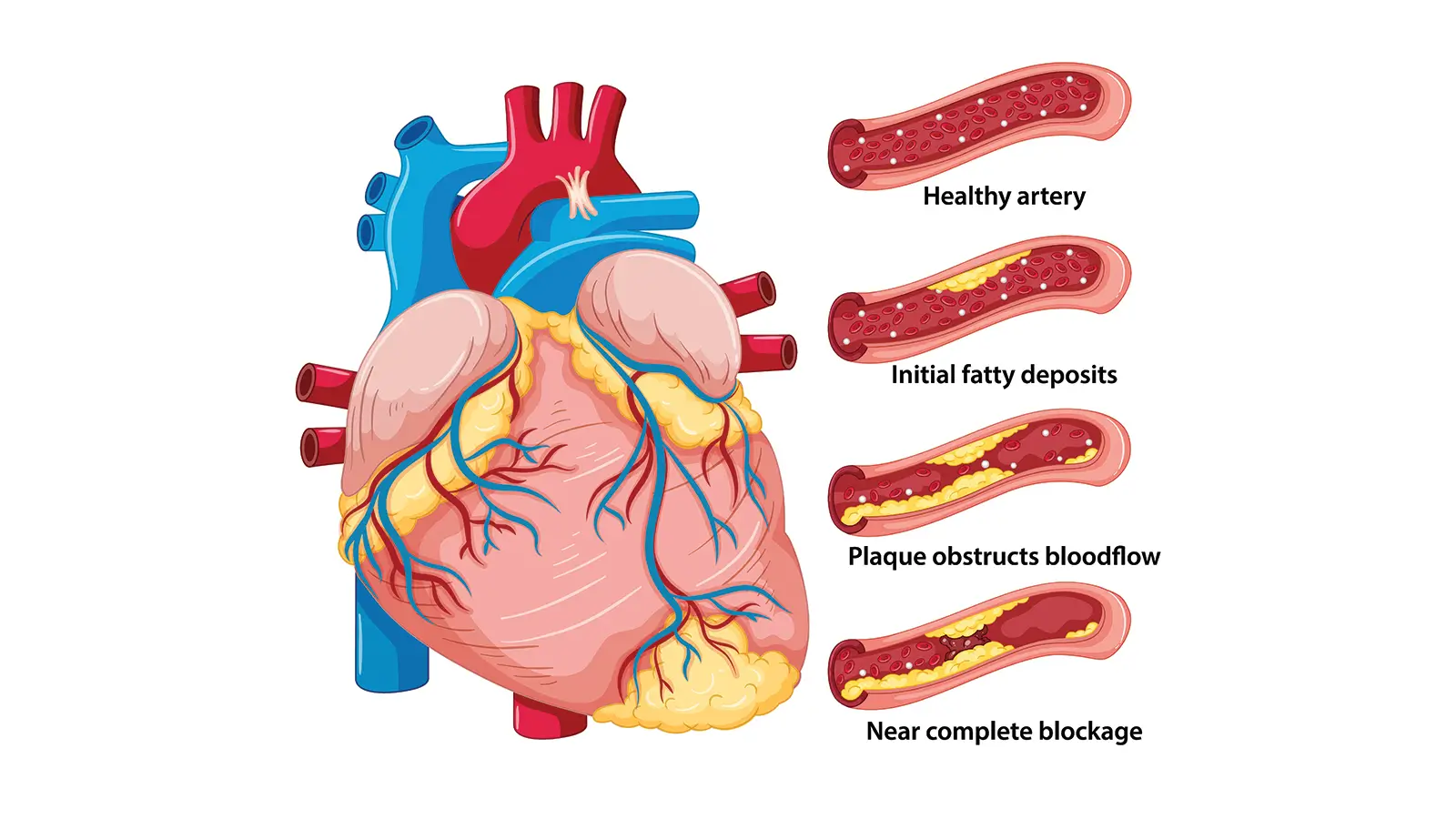

(Asian independent) The Heart disease is one of the leading causes of death worldwide. A major condition associated with heart disease is heart blockage, medically known as Coronary Artery Disease. It occurs when the arteries that supply blood to the heart muscle become narrowed or blocked. Understanding its causes, triggers, prevention and treatment is essential for maintaining heart health.
DEFINITION OF HEART BLOCKAGE
Heart blockage refers to the partial or complete obstruction of the coronary arteries that carry oxygen-rich blood to the heart muscle.
The blockage usually occurs due to a process called Atherosclerosis, in which fatty deposits called plaque accumulate on the inner walls of arteries. Over time, these plaques narrow the arteries and restrict blood flow.
When blood supply to the heart is severely reduced, it can lead to chest pain (angina), shortness of breath, irregular heartbeat, heart attack (myocardial infarction).
If untreated, severe blockage can result in permanent heart damage.
HOW HEART BLOCKAGE DEVELOPS?
The development of heart blockage is a gradual process that may take years or even decades.
The process generally includes:
Damage to artery walls due to unhealthy lifestyle or diseases.
Accumulation of cholesterol, fat and calcium forming plaques.
Narrowing of arteries, reducing blood flow.
Rupture of plaque, leading to blood clot formation.
Complete blockage, which may cause a heart attack.
MAJOR CAUSES OF HEART BLOCKAGE
Several biological and lifestyle factors contribute to artery blockage.
HIGH CHOLESTEROL
Excess LDL (bad cholesterol) accumulates in arteries and forms plaques.
HIGH BLOOD PRESSURE
Persistent high blood pressure damages arterial walls and accelerates plaque formation.
SMOKING
Smoking reduces oxygen supply and damages blood vessels.
DIABETES
High blood sugar damages arteries and increases plaque formation.
OBESITY
Excess body fat increases cholesterol levels and blood pressure.
Unhealthy Diet, diets high in
Saturated fats, trans fats
Processed foods, excess sugar
increase the risk of heart blockage.
GENETIC FACTORS
Family history of heart disease significantly increases risk.
FACTORS THAT TRIGGER OR INCREASE FREQUENCY OF HEART BLOCKAGE
Certain conditions and habits accelerate the development of artery blockage.
SEDENTARY LIFESTYLE
Lack of physical activity leads to poor blood circulation and increased fat deposition.
CHRONIC STRESS
Long-term stress increases hormones like cortisol and adrenaline that raise blood pressure.
ALCOHOL OVERCONSUMPTION
Excess alcohol can increase triglycerides and blood pressure.
POOR SLEEP
Sleep disorders may increase cardiovascular risk.
AGING
Arteries naturally stiffen with age, increasing blockage risk.
SYMPTOMS OF HEART BLOCKAGE
In many cases, blockage develops silently until it becomes severe.
Common symptoms include chest pain or pressure (Angina), pain in arm, neck or jaw, shortness of breath, fatigue, dizziness, sweating.
However, some individuals may experience no symptoms until a heart attack occurs.
MEDICAL METHODS TO COUNTER AND TREAT HEART BLOCKAGE
Modern medicine offers several treatments depending on severity.
Lifestyle Modification
Doctors often recommend healthy diet, regular exercise, weight control, stress management, medications.
Common medications include:
Cholesterol-lowering drugs, blood pressure medications, blood thinners, nitroglycerin for chest pain.
ANGIOPLASTY
A small balloon is used to open blocked arteries and restore blood flow.
STENT PLACEMENT
A metal mesh tube is inserted to keep the artery open.
CORONARY ARTERY BYPASS SURGERY
In severe cases, surgeons create a new pathway for blood flow around blocked arteries.
PREVENTIVE MEASURES TO REDUCE HEART BLOCKAGE
Prevention remains the most effective approach.
Healthy Diet
Include fruits and vegetables, whole grains, nuts and seeds.
Fish rich in omega-3 fatty acids
Avoid excess salt, fried foods, trans fats, processed meats
REGULAR PHYSICAL ACTIVITY
At least 30 minutes of moderate exercise daily improves cardiovascular health.
Maintain Healthy Weight, quit Smoking, control Blood Pressure and Diabetes, regular Health Checkups
CAN PHYSICAL EXERCISE INCREASE HEART BLOCKAGE?
Generally, exercise does NOT increase heart blockage. In fact, it is one of the most effective methods to prevent it.
Regular physical activity helps lower cholesterol, improve blood circulation, reduce blood pressure, strengthen the heart muscle
MAINTAIN HEALTHY BODY WEIGHT
However, extreme or sudden intense exercise may pose risks for individuals who already have severe artery blockage but are unaware of it.
For such individuals:
Sudden heavy exertion may trigger heart attack.
Medical screening is recommended before starting intense exercise programs.
Moderate activities like walking, cycling, swimming, yoga are considered safe and beneficial for most people.
FUTURE RESEARCH AND MEDICAL ADVANCES
Modern cardiology is exploring new technologies to better diagnose and treat artery blockages, including:
Artificial intelligence in heart imaging.
Gene therapy for cholesterol control.
Advanced biodegradable stents.
Personalized medicine based on genetic profiles
These innovations may significantly improve early detection and treatment.
Heart blockage is a serious yet largely preventable condition. It develops gradually due to lifestyle factors, metabolic diseases and aging. Early diagnosis, healthy living and regular physical activity can significantly reduce the risk of artery blockage.
Public awareness, preventive healthcare and regular medical screening remain key strategies to reduce the global burden of heart disease.
Dr. SURINDERPAL SINGH
FACULTY IN SCIENCE DEPARTMENT
SRI AMRITSAR SAHIB PUNJAB.