

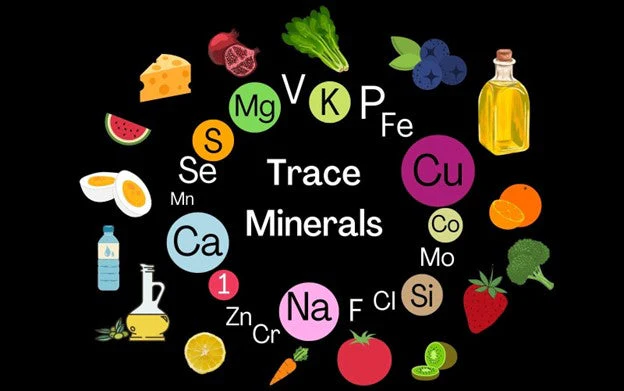

(Asian independent) The Minerals are essential inorganic nutrients required by the human body in small but vital amounts. Unlike carbohydrates, proteins and fats, minerals do not provide energy to the body yet they play indispensable roles in maintaining life, supporting metabolism, and regulating physiological functions. Every cell, tissue, organ and biochemical process in the human body depends on an adequate supply of minerals.
Modern nutritional science recognizes minerals as fundamental components of human health because they contribute to bone strength, nerve function, immune defense, enzyme activity and hormonal balance. A balanced diet rich in natural foods usually provides sufficient minerals for maintaining optimal health.
WHAT ARE MINERALS?
Minerals are naturally occurring chemical elements obtained from soil and water and absorbed by plants or consumed through animal foods. Humans obtain minerals primarily through diet. These nutrients are categorized into two major groups based on the quantity required by the body.
MAJOR (MACRO) MINERALS
These are required in larger amounts and include Calcium, Phosphorus, Potassium, Sodium, Magnesium, Sulfur, Chloride.
TRACE (MICRO) MINERALS
These are needed in smaller quantities but are equally important Iron, Zinc, Copper, Iodine, Selenium, Manganese, Fluoride, Chromium.
Despite the difference in required amounts, both macro and trace minerals are essential for normal body functioning.
Functions of Minerals in the Human Body
Minerals perform numerous biological functions that are essential for maintaining health.
FORMATION OF BONES AND TEETH
Calcium, phosphorus and magnesium are the primary minerals responsible for building strong bones and teeth. Nearly 99% of the body’s calcium is stored in bones.
REGULATION OF NERVE AND MUSCLE ACTIVITY
Minerals such as sodium, potassium, calcium and magnesium regulate nerve impulses and muscle contractions, including the heartbeat.
OXYGEN TRANSPORT
Iron is a critical component of hemoglobin in red blood cells. It enables the transportation of oxygen from the lungs to body tissues.
HORMONE PRODUCTION
Iodine plays a central role in the production of thyroid hormones, which regulate metabolism, growth and development.
ENZYMES ACTIVATION
Many minerals act as cofactors for enzymes that regulate biochemical reactions, digestion, metabolism and cellular repair.
FLUID BALANCE AND BLOOD PRESSURE CONTROL
Electrolytes such as sodium, potassium and chloride maintain fluid balance, regulate blood pressure, and support cellular communication.
IMMUNE SYSTEM SUPPORT
Zinc, selenium and copper contribute to immune system strength and protect the body from infections and oxidative stress.
NATURAL DIETARY SOURCES OF MINERALS
A balanced and diverse diet is the most reliable way to obtain essential minerals. Natural foods contain minerals in forms that are easier for the body to absorb.
Calcium
Sources include Milk and dairy products
Green leafy vegetables (spinach, broccoli), Sesame seeds, Almonds.
Iron
Sources include Green leafy vegetables,
Lentils and beans, Whole grains, Dates and jaggery, Lean meat and eggs.
Magnesium
Sources include Nuts and seeds, Whole grains, Bananas, Dark leafy vegetables.
Potassium
Sources include Bananas, Coconut water, Potatoes, Tomatoes, Beans and legumes.
Zinc
Sources include Pumpkin seeds, Nuts, Whole grains, Dairy products.
Iodine
Sources include Iodized salt, Sea fish, Seaweed.
Selenium
Sources include:
Nuts (especially Brazil nuts), Eggs, Whole grains, Consuming seasonal fruits, vegetables, grains and nuts ensures adequate mineral intake.
MINERALS DEFICIENCIES AND RELATED DISEASES
Insufficient intake or poor absorption of minerals can lead to several health problems.
IRON DEFICIENCY
Iron deficiency leads to anemia, characterized by fatigue, weakness, pale skin and reduced immunity.
CALCIUM DEFICIENCY
Low calcium levels may cause weak bones, osteoporosis, muscle cramps and increased fracture risk.
IODINE DEFICIENCY
Lack of iodine can lead to thyroid disorders such as goiter and impaired cognitive development in children.
ZINC DEFICIENCY
Zinc deficiency may result in weakened immunity, delayed wound healing, hair loss and growth problems in children.
MAGNESIUM DEFICIENCY
Symptoms may include muscle spasms, fatigue, irregular heartbeat and nerve dysfunction.
POTASSIUM DEFICIENCY
Low potassium levels may cause muscle weakness, irregular heart rhythms and high blood pressure.
Deficiencies often occur due to poor diet, chronic illness, excessive processed food consumption, or digestive disorders.
HEALTH BENEFITS OF ADEQUATE MINERAL INTAKE
Maintaining appropriate levels of essential minerals has profound health benefits.
STRONG BONES AND TEETH
Calcium, magnesium and phosphorus help maintain bone density and prevent skeletal disorders.
HEALTHY HEART AND CIRCULATION
Potassium and magnesium help regulate blood pressure and support heart function.
IMPROVED ENERGY LEVELS
Iron supports oxygen transport, preventing fatigue and maintaining energy.
ENHANCED IMMUNE FUNCTION
Zinc and selenium strengthen the immune system and help protect against infections.
PROPER GROWTH AND DEVELOPMENT
Minerals are vital for children’s growth, brain development and hormonal balance.
BETTER NERVOUS SYSTEM FUNCTION
Electrolytes support nerve transmission and mental clarity.
FACTORS AFFECTING MINERAL ABSORPTION
Several lifestyle and dietary factors influence mineral absorption:
Excessive consumption of fast food.
High intake of caffeine and alcohol.
Poor digestive health.
Vitamin deficiencies (such as vitamin D affecting calcium absorption).
Certain medications.
Eating whole foods, maintaining gut health and consuming a balanced diet improves mineral absorption.
Minerals are indispensable micronutrients that sustain life and support nearly every physiological function in the human body. From building bones and transporting oxygen to regulating hormones and strengthening immunity, minerals play a vital role in maintaining overall health and well-being.
A natural, balanced diet rich in fruits, vegetables, whole grains, nuts, seeds and dairy products remains the best way to ensure adequate mineral intake. Preventing mineral deficiencies through proper nutrition not only supports physical health but also promotes longevity, vitality and disease resistance.
In modern lifestyles where processed foods dominate, conscious attention to mineral-rich diets has become essential for maintaining optimal human health.
Dr. SURINDERPAL SINGH
FACULTY IN SCIENCE DEPARTMENT SRI AMRITSAR SAHIB PUNJAB.