THE ASIAN INDEPENDENT UK

Bal Ram Sampla
Geopolitics
In early February 2026, Pakistan made a big announcement. They would boycott their cricket match against India on February 15th. Why? To show solidarity with Bangladesh, which had been kicked out of the tournament for refusing to play in India.
It sounded brave. It sounded principled. Pakistan was standing up for its neighbor against the powerful ICC and India.
Then, just days later, Pakistan completely reversed course. They announced they would play India after all. The boycott was off. The drama was over.
This U-turn left everyone asking: what was the point? Who benefited from this mess? And who came out looking terrible?
The Big Loser: Prime Minister Shehbaz Sharif
The biggest loser in this drama is Pakistan’s Prime Minister. He approved the boycott. He gave his word that Pakistan would not play against India. His government made official statements about principles and solidarity.
Then, within one week, he backed down completely.
When a Prime Minister’s word changes in just seven days, what does that say? It says his word means nothing. It says he can be pressured and pushed around. It says Pakistan’s position on important matters can flip overnight.
This is complete humiliation for a head of government. World leaders, cricket officials, and Pakistani citizens all saw him reverse his decision without gaining a single thing in return.
Compare this to Bangladesh. They refused to play in India. The ICC kicked them out of the tournament. But Bangladesh stood firm. They didn’t back down. They didn’t flip-flop. And what happened? The ICC gave them guarantees: no penalties, no fines, and they’ll get to host an ICC event before 2031.
Bangladesh stuck to their position and got concessions. Pakistan threatened, created drama, and then folded without getting anything.
The Prime Minister looks weak. His credibility is destroyed. Nobody will take Pakistan’s threats seriously anymore.
The Real Winner: Mohsin Naqvi
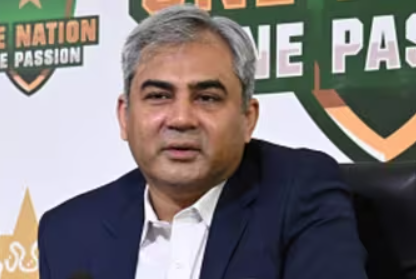
Now let’s talk about the real winner in this whole saga: Mohsin Naqvi, the Chairman of the Pakistan Cricket Board.
Who is Mohsin Naqvi? He’s a 46-year-old media businessman who has somehow collected incredible power in a short time. He is simultaneously:
(1) Pakistan’s Interior Minister
(2) Chairman of the Pakistan Cricket Board
(3) President of the Asian Cricket Council
That’s three major positions at once. And he’s known to be very close to Pakistan’s Army Chief, which is where his real power comes from.
How Naqvi Played the Game
Here’s what Naqvi did, step by step:
Step 1: Create the Drama
Just hours before the deadline, Naqvi’s PCB sent an email to the ICC expressing solidarity with Bangladesh. This put the Prime Minister in a position where he had to back the boycott or look like he was abandoning Pakistan’s neighbor.
Step 2: Make Impossible Demands
During the crisis, Naqvi demanded that the ICC:
(1) Force India to play bilateral cricket series with Pakistan
(2) Organize a tri-nation tournament with India, Pakistan, and Bangladesh
(3) Give Pakistan more money
These demands were absurd. The ICC cannot force India to play bilateral series. That’s not how cricket works. But making these demands made Naqvi look like a tough negotiator fighting for Pakistan’s interests.
Step 3: Engineer the U-Turn
After creating maximum drama and getting his name in every headline, Naqvi then “negotiated” with the ICC. He claimed he protected Bangladesh’s dignity. He said the decision to play was made “in the spirit of cricket” and because of “friendly countries” requesting it.
In reality, he simply backed down. But he positioned it as smart diplomacy.
Step 4: Take Credit, Avoid Blame
The Prime Minister takes all the blame for the flip-flop. His credibility is destroyed. But Naqvi? He gets to look like the pragmatic operator who stood up to the ICC, made demands, and then made the “mature” decision to play.
The Contradiction Nobody Talks About
Here’s the most absurd part of this whole drama: Pakistan threatened to boycott ONE match against India as a matter of principle. But at the same time, they demanded that India play MULTIPLE bilateral series and tri-nation tournaments with them!
Think about that. You won’t play one match because you’re taking a stand. But you want your opponent to commit to playing many matches with you?
This makes zero sense unless you understand the real motivation: money.
One India vs Pakistan match generates Rs 2,200 crore (about $260 million). That’s more than Pakistan cricket earns in seven years. Pakistan desperately wants more matches against India because it’s their only real money-maker.
So the boycott was never about principles. It was about trying to use drama to extract concessions and force more India matches.
Naqvi’s Track Record of Drama
This isn’t the first time Naqvi has created controversy to promote himself:
During the Asia Cup 2025 final in Dubai, when India beat Pakistan and won the tournament, the Indian team refused to accept the trophy from Naqvi. Naqvi then left the venue with the trophy and medals. What did this accomplish except getting his name in global headlines?
There’s also the financial scandal. A recent audit found over $21 million in irregularities in the PCB, including excessive payments to Naqvi himself for utilities and accommodation at his own residence.
Naqvi has been criticized in Pakistan’s National Assembly and Senate, with lawmakers calling for his resignation and making corruption allegations.
Who Gained and Who Lost
The Losers:
1. Prime Minister Shehbaz Sharif
His word means nothing now. He looks weak and indecisive.
2. Pakistan’s credibility
No one will take Pakistan’s threats seriously in international cricket anymore.
3. PCB’s reputation
They looked disorganized and desperate.
4. Pakistani cricket fans
They were embarrassed by the whole circus.
The Winner:
1. Mohsin Naqvi
He created a crisis, got global attention, made himself look important, and avoided any consequences. He used the Prime Minister as a shield while building his own profile.
Actually Gained Something:
1. Bangladesh
They stood firm, got kicked out, but got guarantees of no penalties and a future ICC event.
The Bigger Picture
Mohsin Naqvi is a small man trying to act big. He has no background in cricket. He’s a businessman with political connections, especially to the military. He’s using the PCB chairman position to raise his political profile and build his brand.
He holds three major government positions at once, which is itself absurd. He’s been accused of corruption. He’s been called to resign.
So he plays these games. He creates drama. He makes headlines. He positions himself as the tough negotiator standing up to India and the ICC. And when it all falls apart, he makes sure someone else takes the blame.
The Prime Minister was trapped. Naqvi pushed him into the boycott position, knowing it would fail. Then Naqvi orchestrated the U-turn but positioned himself as the pragmatic hero. The PM gets humiliated, but Naqvi looks clever.
The Bottom Line
This entire saga was pointless drama that achieved nothing for Pakistan. They threatened a boycott, disrupted the tournament, created international controversy, and then backed down without gaining a single concession.
Bangladesh, who actually followed through on their boycott, at least got something—guarantees and a future ICC event.
Pakistan got nothing except humiliation. The Prime Minister looks weak. Pakistan’s word looks worthless. And the country’s cricket administration looks like a circus.
The only person who benefited was Mohsin Naqvi, who used the entire crisis for self-promotion while hiding behind military protection.
This is what happens when a small man with big ambitions controls too much power and uses cricket as a tool for personal advancement rather than the good of the sport or the country.
References
1.https://www.freepressjournal.in/sports/pakistan-defence-minister-khawaja-asif-calls-for-new-global-cricket-body-slams-icc-over-indian-influence
2.https://www.republicworld.com/cricket/desperate-pakistan-calls-for-new-global-cricket-body-baselessly-accuse-icc-of-bias-toward-indian-politics
4. https://zeenews.india.com/photos/sports/cricket/meet-mohsin-naqvi-pak-minister-who-threatened-icc-to-derail-india-s-t20-wc-using-bangladesh-as-pupppet-for-politics-earlier-ran-away-with-indias-asia-cup-2025-trophy-close-to-asim-munir-pcb-supremo-media-mogul-3009053
5.https://english.bombaysamachar.com/india-news/pakistan-demand-bilateral-series-with-india-as-condition-for-t20-world-cup-participation-icc-declines-report/?amp=1
6.https://patnaitesmedia.com/sports/icc-rejects-pakistans-demand-for-bilateral-series
7.https://www.outlookindia.com/sports/cricket/ind-vs-pak-icc-t20-world-cup-2026-match-on-again-pakistan-government-withdraws-boycott-statement
8.https://www.mykhel.com/cricket/india-vs-pakistan-t20-world-cup-match-sees-new-drama-pcb-bcb-demand-india-tri-series-icc-meeting-412451.html