THE ASIAN INDEPENDENT UK

Bal Ram Sampla
Geopolitics
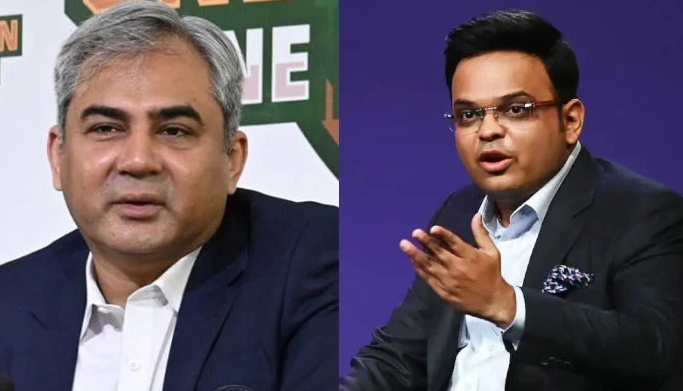
In the high-stakes chess game of international cricket politics, ICC Chairman Jay Shah has delivered a masterclass in strategic thinking, completely outmanoeuvring Pakistan’s Mohsin Naqvi. What started as Naqvi’s attempt to undermine India has ended with him being cut down to size, exposed as a small man who tried to act big.
Naqvi’s Opening Move: Using Bangladesh as a Weapon
Mohsin Naqvi, who serves as both PCB Chairman and Pakistan’s Interior Minister, thought he had crafted a clever strategy. He encouraged Bangladesh to refuse playing in India, sent them assurances of support, and was the only ICC board member to vote for relocating their matches. His plan was simple: use Bangladesh as a pawn to create chaos, damage India’s hosting reputation, and hurt ICC’s commercial interests without Pakistan having to take the risk directly.
When Bangladesh was removed from the tournament and replaced by Scotland, Naqvi escalated. He publicly criticized the ICC for “double standards” and began threatening that Pakistan would boycott the tournament in “solidarity” with Bangladesh. He wanted the world to see him as a powerful figure standing up for principles.
But Naqvi made a critical mistake. He underestimated Jay Shah.
Jay Shah’s Brilliant Counter-Move
While Naqvi was making loud threats and trying to appear powerful, Jay Shah was quietly preparing a devastating counter-strategy. According to reports circulating on social media, Shah has set a trap so perfect that Naqvi has no good way out.
The masterstroke is elegantly simple: If Pakistan withdraws from the tournament, the ICC will ban them and invite Bangladesh back to replace them—with all their matches played in Sri Lanka, exactly what Bangladesh originally requested.
Think about the beautiful irony of this move. Pakistan encouraged Bangladesh to take a stand, claiming to support their security concerns. Now, if Pakistan follows through on their boycott threats, Bangladesh gets everything they wanted while Pakistan loses everything.
Why This Is a Perfect Checkmate
Jay Shah’s counter-move puts Mohsin Naqvi in an impossible position. Every option available to him now is a losing one:
Option 1 – Pakistan Withdraws:
If Naqvi follows through on his boycott threats, Pakistan gets banned from the tournament, loses $34.5 million in revenue, faces potential sanctions affecting future ICC events, and watches helplessly as Bangladesh—the team they claimed to support—takes their spot with better terms than Pakistan originally helped them secure. Pakistan looks foolish for sacrificing their own interests to help a rival who immediately benefits from their withdrawal.
Option 2 – Pakistan Plays Normally:
If Pakistan backs down and plays all their matches including against India, Naqvi’s threats are exposed as empty bluster. He looks weak, his “solidarity” with Bangladesh is revealed as fake, and his political posturing achieves nothing except embarrassment.
Option 3 – Pakistan Forfeits Only the India Match:
Even this middle ground makes Pakistan look petty and unprincipled. They still face ICC penalties, Bangladesh still potentially replaces them if the ICC decides the forfeit amounts to withdrawal, and the whole world sees through the political game.
Every single path leads to humiliation for Mohsin Naqvi.
The Genius of the Strategy
What makes Jay Shah’s move so brilliant is how it turns Pakistan’s entire strategy against them:
(1)Using Their Own Weapon
Pakistan tried to use Bangladesh as a weapon against India. Jay Shah simply picked up that same weapon and pointed it back at Pakistan.
(2) Appearing Fair and Reasonable
The ICC can claim they’re accommodating Bangladesh’s legitimate security concerns by offering them a spot—in Sri Lanka where they wanted to play. It looks fair and compassionate, not vengeful.
(3) No Logistical Problems
Since Pakistan’s matches are already scheduled in Sri Lanka, swapping them with Bangladesh requires minimal changes. It’s practical and feasible.
(4) Exposing the Hypocrisy
If Bangladesh accepts (which they likely will—it’s everything they asked for), it proves Pakistan never cared about helping Bangladesh. They just wanted to hurt India.
(5) Unified Support
At the ICC board meeting, 14 out of 15 directors voted against Bangladesh’s original request. Only Pakistan stood alone. Jay Shah had unanimous backing from every other cricket board in the world. Naqvi was isolated and didn’t even realize it.
(6)A Small Man Trying to Act Big
Mohsin Naqvi tried to play the role of a major power broker in international cricket. He made threats, issued ultimatums, criticized the ICC publicly, and positioned himself as a champion of smaller nations standing up to India’s influence.
But the reality is that Naqvi overestimated his own importance and underestimated his opponent. He thought he was playing checkers when Jay Shah was playing chess.
Jay Shah didn’t need to make loud threats or public statements. He didn’t need to posture or bluster. He simply waited for Naqvi to overextend himself, then calmly set a trap that left Pakistan with no good options.
The difference between the two men is stark. Naqvi acts like a politician—making noise, seeking attention, using threats to appear powerful. Jay Shah acts like a strategist—thinking several moves ahead, building coalitions quietly, and delivering decisive victories without fanfare.
Naqvi wanted to be seen as a big man on the international cricket stage. Instead, Jay Shah has cut him down to size and exposed him for what he is: a political opportunist who tried to manipulate cricket for national interests and got completely outmanoeuvred.
The Deadline Pressure
To make matters worse for Naqvi, he’s running out of time. Pakistan’s deadline for deciding whether to participate is February 2nd. The tournament starts February 7th. Pakistan has already announced their squad, spent money on preparations, and built expectations among their fans.
Every day that passes increases the pressure on Naqvi to back down. And he knows that if he does, he’ll be exposed as someone whose threats were empty all along.
Meanwhile, Jay Shah can afford to wait calmly. The trap is set. All he has to do is let Naqvi make his move, and checkmate follows automatically.
The Bigger Lesson
This episode reveals something important about international cricket politics. Loud threats and political posturing don’t beat quiet competence and strategic thinking. Acting big doesn’t make you big—it often just makes you a bigger target.
Mohsin Naqvi tried to use his dual role as PCB Chairman and Interior Minister to punch above Pakistan’s weight in cricket politics. He thought combining cricket authority with government power would make him formidable.
But Jay Shah, who chairs the ICC and comes from the world’s most powerful cricket board, didn’t need to flex or threaten. He just needed to think clearly and act decisively. And he did.
Conclusion: Game, Set, Match
As the February 2nd deadline approaches, Mohsin Naqvi faces the consequences of his overreach. He tried to manipulate Bangladesh, undermine India, damage the ICC’s commercial interests, and position himself as a major player in cricket politics.
Instead, Jay Shah has turned every element of Naqvi’s strategy against him. Bangladesh will likely get what they wanted—but only if Pakistan withdraws. Pakistan faces losing everything—money, credibility, and their tournament spot. And Mohsin Naqvi, the small man who tried to act big, has been systematically dismantled by an opponent who never needed to raise his voice.
In the battle between Mohsin Naqvi’s political theatrics and Jay Shah’s strategic brilliance, there was only ever going to be one winner.
Game, set, and match: Jay Shah.
References
1.https://youtu.be/G_Rhw1_N9d8?si=fsImSQkOnI8Ponqw
2.https://youtu.be/TfrJLhIBZJY?si=ZAZaFwjr81op3qQ4
3.https://youtu.be/V1hukKHc7VY?si=WxIeOYR6fD9aCvic