THE ASIAN INDEPENDENT UK

Bal Ram Sampla
Geopolitics
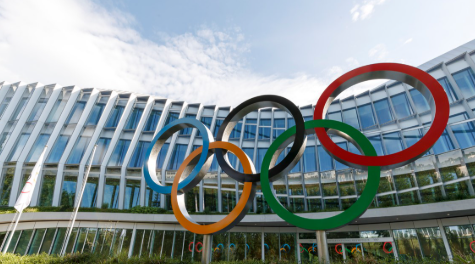
India wants to host the 2036 Olympics. The government has submitted a formal bid, with Ahmedabad proposed as the main host city. Prime Minister Modi has made this a national priority, and billions of rupees are being invested in sports infrastructure. It sounds impressive on paper.
But then we look at what happened at the India Open badminton tournament in Delhi, and the picture becomes less inspiring.
Danish players withdrew or complained bitterly about the conditions. World No. 3 Anders Antonsen pulled out for the third year in a row, citing dangerous air pollution levels. Mia Blichfeldt described bird droppings on the courts, dirty floors, and unhealthy training areas. Players had to warm up wearing winter jackets and gloves because of the cold. This was not some minor local tournament. This was a Super 750 event, one level below the most prestigious competitions in badminton.
If India cannot organize a single-sport event properly, how can it convincingly claim it can manage an Olympics with over 300 events, 10,000 athletes, and millions of visitors?
The International Olympic Committee has already raised red flags. When India submitted its bid, IOC officials pointed to three major concerns: governance problems, anti-doping failures, and poor Olympic performance. These are not small issues. They go to the heart of whether a country is ready for the responsibility of hosting the world’s biggest sporting event.
History offers little comfort. The 2010 Commonwealth Games in Delhi were marred by reports of worker deaths, wages below minimum wage, and child labour. The games happened, but the reputation damage lingered. More than a decade later, we are seeing similar organizational failures at a badminton tournament.
The problem is not money or ambition. India has both. The problem is execution. It is the gap between grand announcements and basic delivery. It is promising world-class facilities while athletes train in dirty, cold venues with birds flying overhead.
Air pollution in Delhi regularly reaches hazardous levels. This is not a secret. Yet tournaments continue to be scheduled there, and athletes continue to suffer or withdraw. The badminton federation disputed some complaints, but the pattern is undeniable. When multiple international athletes from different countries raise similar concerns year after year, dismissing their complaints looks like denial, not defence.
Other countries are competing for the 2036 Olympics. Qatar, Saudi Arabia, Turkey, Indonesia, and Chile all have their bids in. Some have newer infrastructure. Others have better track records with international events. India has population and economic growth on its side, but that may not be enough if basic standards cannot be met.
The path forward is simple but not easy. India needs to prove itself with smaller events first. Host tournaments that run smoothly. Maintain venues properly. Ensure air quality and hygiene. Treat athlete welfare as non-negotiable. Show the IOC and the world that organizational excellence is possible, not just promised.
Right now, the badminton tournament stands as evidence against India’s Olympic bid. Until that changes, the dream of hosting the 2036 Games will remain just that: a dream contradicted by reality on the ground.
References
1.https://www.news9live.com/sports/others-sports/unhealthy-and-unprofessional-danish-shuttler-slams-playing-conditions-at-india-open-2919314
2.https://www.thebridgechronicle.com/sports/anders-antonsen-india-open-2026-withdrawal-delhi-pollution-as99
3.https://www.pib.gov.in/PressReleasePage.aspx?PRID=2147807®=3&lang=2
4. https://www.cbc.ca/news/world/india-olympics-bid-2036-9.6958964
5.https://thousif.in/when-india-host-olympics/