THE ASIAN INDEPENDENT UK

Bal Ram Sampla
Geopolitics
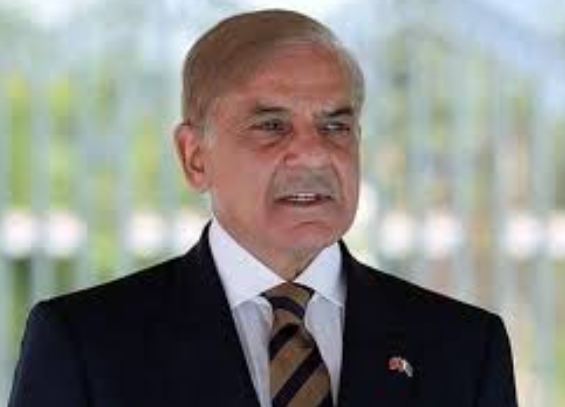
Prime Minister Shehbaz Sharif recently found himself in an uncomfortable position that highlights just how little control Pakistan has over its own economy. In August 2025, he asked the International Monetary Fund for permission to remove the 18% tax on condoms and other contraceptives. The IMF’s answer was a firm “no” — and that refusal has left the Prime Minister red-faced.
The Embarrassing Reality
Think about what this situation really means. Pakistan’s leader had to ask permission from foreign lenders to make condoms cheaper in his own country. He couldn’t just do it. He had to ask. And then he was told no.
This is the reality of Pakistan’s economic dependence. The country is operating under a $7 billion IMF bailout, and with that money comes strict rules. Pakistan must follow what the IMF says about taxes, spending, and revenue — even when it comes to basic health products.
Why Pakistan Wanted Tax Relief
The request wasn’t unreasonable. Pakistan has one of the world’s fastest-growing populations, with a growth rate of about 2.55% per year. The country is adding millions of people while struggling to provide jobs, education, and basic services. Making contraceptives more affordable seems like common sense for a nation trying to slow its population growth.
Sharif also wanted to reduce taxes on sanitary pads and baby diapers — products that ordinary families struggle to afford. These weren’t luxury items. These were necessities.
The IMF’s Cold Response
The IMF rejected all these requests. Their reasoning was simple: Pakistan needs to meet its revenue targets, and giving tax breaks in the middle of the fiscal year would hurt those goals. They told Pakistan it could maybe discuss this in the 2026-27 budget — years away.
The IMF also worried that reducing taxes on specific items might lead to smuggling and enforcement problems. In other words, they were more concerned about tax collection than about Pakistan’s population crisis.
The Humiliation
Here’s what makes this so embarrassing for Prime Minister Sharif: he’s the leader of a country of over 240 million people, yet he can’t make basic decisions about public health policy without foreign approval. He can’t even reduce the tax on condoms.
This incident exposes the harsh truth about Pakistan’s sovereignty. When you depend on IMF loans to keep your economy running, you don’t really control your own policies. The IMF does. And they’re not particularly concerned about whether Pakistani families can afford birth control or diapers. They care about revenue targets and loan repayments.
This rejection will be remembered as a defining moment of weakness. Opposition politicians and critics will point to it as proof that Pakistan has surrendered its independence. Social media has already lit up with mockery and frustration.
The Prime Minister wanted to do something sensible for his country’s future. He was blocked by the very institution that’s supposed to be helping Pakistan recover. And now he has to explain to his citizens why their government couldn’t make condoms more affordable — not because it didn’t want to, but because it wasn’t allowed to.
That’s not leadership. That’s humiliation.
References
1.https://propakistani.pk/2025/12/18/imf-blocks-pakistans-move-to-abolish-18-gst-on-contraceptives/
2.https://photonews.com.pk/imf-rejects-gst-removal-contraceptives-pakistan/
3.https://www.geo.tv/latest/640053-no-cheap-contraceptives-as-imf-turns-down-request-to-abolish-18-gst
4.https://youtu.be/HQQs9emhtOQ?si=PNosD3x3wrIqLsYe