THE ASIAN INDEPENDENT UK

Bal Ram Sampla
Geopolitics
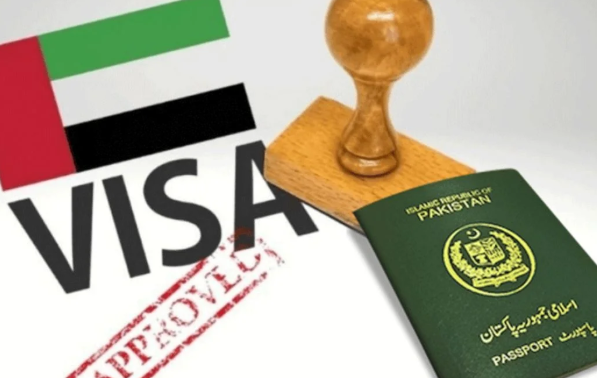
In late 2024 and recently , the United Arab Emirates effectively stopped issuing most visas to Pakistani citizens. Only those holding diplomatic or official passports can still get visas easily. This follows similar actions by Saudi Arabia and other Gulf countries, which have also restricted Pakistani visitors.
The UAE has not officially announced a complete ban, and some officials deny it exists. However, travel agents and Pakistani citizens report that regular visa applications are being rejected or simply not processed.
Why This Is Happening
UAE officials point to several problems with Pakistani visitors:
(I) Organized begging operations in UAE cities
(II) Street crimes and theft
(III) Drug trafficking
(IV) Overstaying visas and working illegally
(V) Document fraud
These are not new problems. They have been building for years.
The Problem at Islam’s Holiest Sites
Saudi Arabia faced an even more serious issue. Thousands of Pakistanis were traveling to Mecca and Medina on pilgrimage visas, then begging at the holiest sites in Islam. They would approach pilgrims performing Hajj and Umrah, harassing them for money.
This created multiple problems:
1. It exploited religious devotion. Muslims performing pilgrimage are in a spiritual state and feel obligated to give charity. These beggars took advantage of that religious feeling.
2.It disrupted sacred worship.
The Grand Mosque in Mecca and the Prophet’s Mosque in Medina should be places of peace and prayer. Instead, pilgrims were constantly approached by beggars.
3.It damaged Pakistan’s reputation. Muslims from around the world witnessed this behavior at Islam’s most important locations.
Saudi Arabia responded by deporting thousands of Pakistani beggars. They also tightened visa requirements for Pakistani citizens wanting to perform Hajj or Umrah.
This Is Not Islamophobia
Here is the key point that often gets missed: These restrictions are being imposed by Muslim countries on Muslim visitors.
The UAE is a Muslim-majority country. Saudi Arabia is the birthplace of Islam and home to its two holiest mosques. Both countries have Muslim leadership and Muslim populations. They are not restricting Pakistanis because of their religion – they share the same religion.
They are restricting Pakistanis because of documented problems with how some Pakistani visitors behave.
Imagine if the United Kingdom the United States or European country implemented similar visa restrictions on Pakistan, citing the similar reasons.
There would be immediate protests. Pakistani politicians would call it discrimination. International activists would label it Islamophobia. Social media would explode with accusations of racism and religious bias.
But when the UAE and Saudi Arabia do the exact same thing, the response is very different. There are no major protests. No international condemnation. No accusations of religious discrimination.
Why? Because it is difficult to claim Islamophobia when the countries enforcing their borders are themselves Muslim.
The Real Issue
This double standard reveals something important: many of these accusations of Islamophobia are not really about protecting people from religious discrimination. They are political tools used selectively.
When Western countries enforce their immigration laws, they face accusations of bigotry – even when they have legitimate security and legal concerns.
When Muslim countries enforce the exact same laws for the exact same reasons, those accusations disappear.
This makes it harder to have honest conversations about immigration. It also makes it harder to identify actual religious discrimination when it really does occur.
What This Means
Countries have the right and responsibility to control their borders. They need to ensure visitors follow the law, respect local customs, and leave when their visas expire.
When any country – Muslim or non-Muslim – sees patterns of visa abuse, illegal activity, or other problems from visitors of a specific nationality, they have the right to adjust their visa policies accordingly.
Pakistan’s passport is already one of the weakest in the world for visa-free travel. Pakistanis face restrictions from countries across Asia, Europe, Africa, and the Americas. This is not because of a global conspiracy against Muslims. It is because of documented problems with visa compliance and visitor behavior.
The UAE visa restrictions and Saudi begging crackdowns are
real problems caused by some Pakistani visitors. Recognizing this honestly is the first step toward actually solving the underlying issues.
References
1.https://www.businesstoday.in/world/story/uae-halts-most-pakistani-visas-as-criminal-cases-rise-officials-warn-ban-may-harden-504100-2025-11-28
2.https://www.business-standard.com/world-news/uae-visa-halt-pakistanis-envoy-reforms-125112701139_1.html
3.https://swarajyamag.com/world/uae-halts-regular-visas-for-pakistanis-as-gulf-nations-pause-just-short-of-a-full-ban-amid-crime-related-concerns-report