SR Darapuri, National President, All India Peoples Front

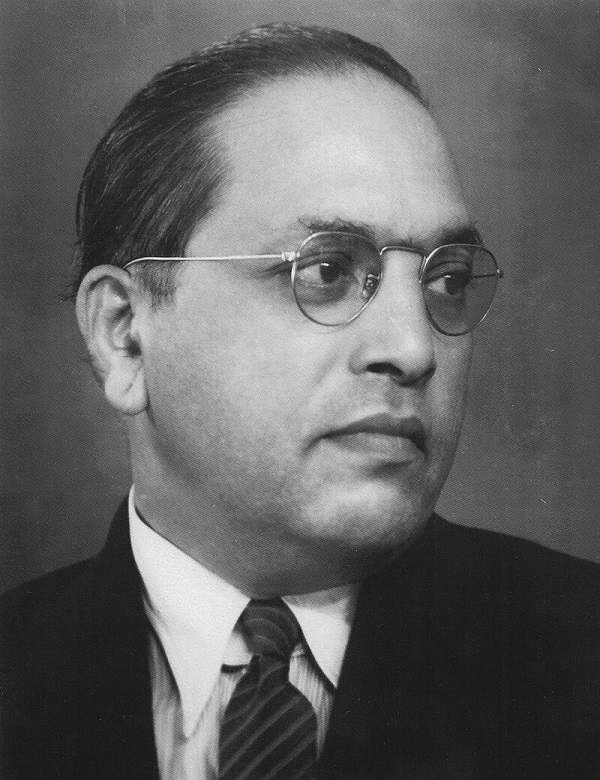
(Asian independent) Dr. B.R. Ambedkar, the principal architect of the Indian Constitution, drafted a document that enshrined principles of social justice, equality, and safeguards for marginalized communities. However, by the early 1950s, he grew increasingly frustrated with its implementation under the Nehru-led government, viewing it as a betrayal of its egalitarian spirit. This frustration culminated in his resignation from the Union Cabinet on September 1951 (announced publicly on October 10, 1951) and later public statements, including a dramatic 1955 Rajya Sabha remark where he expressed willingness to “burn” the Constitution if it continued to serve the interests of the powerful rather than the oppressed. Below, I outline the primary reasons for his disillusionment, drawn from his speeches and writings.
- Failure to Enforce Safeguards for Scheduled Castes (SCs) and Backward Classes
Ambedkar was deeply disappointed by the government’s inaction on constitutional provisions meant to uplift depressed classes, such as reservations in public services and protections against discrimination (Articles 15, 16, 17, and 46). Despite these guarantees, SCs faced ongoing oppression, tyranny, and social exclusion, with police often failing to act on complaints of atrocities. Recruitment of SCs in government jobs remained negligible, as per departmental reports, and no commission was ever appointed to identify and aid Backward Classes—a constitutional mandate left to executive whim but never fulfilled. In his resignation speech, Ambedkar lamented: “The provisions made in the Constitution for the Backward Classes have not been implemented… The Scheduled Castes have not benefited from them.” He contrasted this neglect with robust protections afforded to Muslims under the same framework, questioning why SCs, Scheduled Tribes, and Indian Christians—who faced greater vulnerability—received far less attention.
- Stalling of Key Social Reforms, Notably the Hindu Code Bill
A cornerstone of Ambedkar’s vision was reforming Hindu personal laws to eradicate caste-based inequalities, including inheritance, marriage, and women’s rights—aligning with the Constitution’s Directive Principles (Articles 38–39). As Law Minister, he piloted the Hindu Code Bill, but it was repeatedly delayed, under-discussed in Parliament, and ultimately shelved due to opposition from conservative factions within the Congress party. Despite Cabinet assurances from Prime Minister Nehru to prioritize it, procedural hurdles and lack of party support led to its abandonment. Ambedkar saw this as a direct sabotage of the Constitution’s social justice ethos, stating in his resignation speech that the government’s “indifference” rendered such reforms “a dead letter,” allowing caste hierarchies to persist unchecked.
- Elite Capture and Upper-Caste Dominance in Governance
Ambedkar warned that the Constitution risked becoming a tool for the elite (whom he metaphorically called “Asuras” or demons) rather than a shield for the marginalized (“Devas” or gods). Upper-caste dominance in decision-making bodies ensured that policies favoured the powerful, sidelining Dalit and minority voices. He felt personally marginalized in the Cabinet—denied key economic portfolios despite his expertise, excluded from committees, and treated as a token representative rather than a policy driver. In a 1955 Rajya Sabha debate, he explained his “burn the Constitution” remark: “We built a temple for a god to come in and reside, but before the god could be installed if the devil had taken possession of it, what else could we do except destroy the temple?… I am quite prepared to say that I shall be the first person to burn it out. I do not want it. It does not suit anybody.” This stemmed from fears of “elite capture,” particularly by the Congress, which prioritized political consolidation over radical social change.
- Misplaced Economic Priorities Over Social and Developmental Needs
Ambedkar prioritized industrialization, land reforms, and resource redistribution to combat poverty among the masses, but the government’s focus on foreign policy and defence drained funds—e.g., Rs. 180 crores annually on the military out of a Rs. 350 crore budget—leaving little for food aid or economic upliftment. He criticized this as isolationist and wasteful, arguing it exacerbated hunger and inequality, contradicting the Constitution’s commitments to welfare (Preamble and Directive Principles). In his view, such failures proved that “if things go wrong under the new Constitution, the reason will not be that we had a bad Constitution. What we will have to say is that Man was vile.”
Ambedkar’s overarching critique was that a flawless document means little without ethical implementers committed to its spirit. He reiterated in multiple forums that “however good a constitution may be, it is sure to turn out bad because those who are called to work it happen to be a bad lot.” His frustrations highlighted a gap between constitutional ideals and ground realities, influencing his later conversion to Buddhism as a rejection of entrenched hierarchies. Despite this, he remained a defender of the document’s framework, urging vigilance to prevent its perversion.
click on the link below to download ‘The Asian Independent App’
https://play.google.com/store/apps/details?id=in.yourhost.theasianindependent