
THE ASIAN INDEPENDENT UK

Bal Ram Sampla
Geopolitics
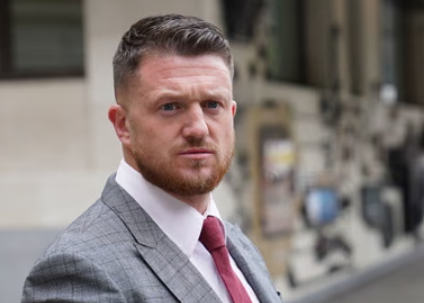
In July 2024, Tommy Robinson was stopped by police at the Channel Tunnel under Schedule 7 of the Terrorism Act. He refused to hand over his phone and was arrested. Months later, a judge threw out the case and criticized the police heavily. This case raises serious questions about how police use their powers and whether those powers are being abused.
Police stopped Robinson as he was trying to drive to Spain. They used Schedule 7 of the Terrorism Act 2000, which gives officers special powers to stop people at borders without needing any suspicion of wrongdoing. They demanded his phone. Robinson refused, saying it contained journalistic material. He was arrested. He refused to hand over as he had information concerning 2 vulnerable girls. Furthermore, the law is clear, journalistic material is protected from police seizure under the Police and Criminal Evidence Act (PACE).
The question to ask, is this politically motivated to persecute?
The Judge’s Verdict
District Judge Sam Goozee acquitted Robinson and made a damning statement. He said he could not ignore that Robinson was stopped because of “what you stood for and your political beliefs.” The judge ruled that stopping someone based on their political views is discrimination. It made the arrest unlawful.
This is a significant ruling. It means the police did not use terrorism powers to fight terrorism. They used them to target someone they disagreed with politically.
Terrorism Laws Are Not Political Tools
The Terrorism Act exists to protect the public from genuine threats. It gives police serious powers because terrorism is a serious crime. But with serious powers comes serious responsibility. These laws cannot become weapons to use against people simply because of their political views.
When police misuse terrorism laws this way, they undermine the very purpose of those laws. Real terrorists should be the focus, not political activists or campaigners.
Everyone Deserves Equal Treatment
In a democracy, the rule of law means everyone is treated the same way regardless of their beliefs. You cannot arrest someone just because you dislike their politics. That is not policing. That is persecution.
The judge recognized this. He found that Robinson’s political beliefs were the “principle reason” for the stop. This is discrimination, pure and simple.
Trust in Policing
When police use their powers unfairly, public trust breaks down. People start to believe the system is rigged. They see “two-tier policing” where some people get targeted while others get ignored.
Whether you agree with Tommy Robinson or despise him, the principle remains the same. If police can misuse terrorism laws against him today, they can misuse them against anyone tomorrow. Bad precedents affect everyone.
The Défense That Failed
Police might argue they were just doing their job at a border crossing. But the judge saw through this. Robinson’s lawyer called it a “fishing expedition” with no evidence linking him to terrorism. The judge agreed.
Schedule 7 does give police broad powers. They can stop people without suspicion. But even these powers have limits. They must be used for counter-terrorism purposes, not political targeting. The judge found those limits were crossed.
What This Reveals
This case exposes a troubling reality about how some police use their powers. Instead of protecting the public from terrorism, they used terrorism laws to stop someone they found politically inconvenient.
It also shows why judicial oversight matters. Without the judge’s willingness to call out this abuse, the arrest would have stood. The police would have faced no consequences. And the message would be clear: we can do this to anyone.
Conclusion
The Tommy Robinson case is not really about Tommy Robinson. It is about the proper use of police powers in a free society. It is about whether we accept political policing or demand equal treatment under the law.
The judge ruled correctly. Using terrorism laws to target people for their political beliefs is unlawful discrimination. It betrays the purpose of those laws and damages public trust in policing.
If we care about living in a fair society, we must insist that police powers are used properly. That means for genuine security threats, not political disagreements. The law must apply equally to everyone, regardless of whether we like them or not.
That is not about defending Tommy Robinson. It is about defending the principle that police cannot arrest you simply for what you believe.
References
1.https://www.gbnews.com/news/tommy-robinson-cleared-terror-charge
2.https://en.wikipedia.org/wiki/Tommy_Robinson
3.https://www.rebelnews.com/follow_my_live-tweeting_from_tommy_robinson_s_court_hearing