THE ASIAN INDEPENDENT UK

Bal Ram Sampla
Geopolitics
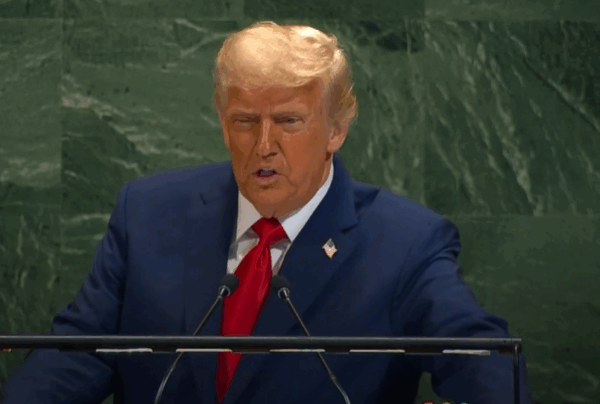
In October 2024, just a week before the American presidential election, the BBC’s investigative program Panorama broadcast a documentary about Donald Trump. In this documentary, they showed footage of Trump’s speech from January 6, 2021, the day of the Capitol riot. However, according to a leaked internal BBC memo, the way they edited this speech was seriously misleading.
The problem was simple but significant. The BBC took different parts of Trump’s hour-long speech and put them together to make it sound like he said something he didn’t actually say in that way. The edited version made Trump appear to say: “We’re gonna walk down to the Capitol and I’ll be there with you and we fight. We fight like hell and if you don’t fight like hell you’re not gonna have a country any more.”
The documentary also showed footage of the Proud Boys marching toward the Capitol while Trump was supposedly speaking. But that footage was actually taken before Trump even began his speech, creating a false connection between his words and their actions.
Why This Matters
This controversy matters for several important reasons.
First, it happened just before a presidential election. Millions of people around the world watch BBC programs and trust them to be accurate. If voters saw this documentary, they might have formed their opinion about Trump based on misleading editing rather than what he actually said. Whether someone supports or opposes Trump, they deserve to hear his actual words, not an edited version that changes the meaning.
Second, this came from the BBC, one of the most respected news organizations in the world. The BBC is funded by British taxpayers and is supposed to maintain the highest standards of accuracy and impartiality. When such a trusted source presents misleading information, it damages public trust not just in the BBC, but in media generally. In an era when people already worry about “fake news” and media bias, this kind of editing gives credibility to those concerns.
The Bigger Picture
This incident touches on larger questions about media responsibility and political coverage. News organizations make editing choices every day. They have to condense hours of speeches into minutes of coverage. But there’s a difference between shortening something and changing its meaning. When you remove words like “peacefully” from a speech about a protest that turned violent, you’re not just editing for time, you’re fundamentally altering what was said.
The political impact could be significant in multiple ways. Trump and his supporters have long claimed that mainstream media treats him unfairly and takes his words out of context. This incident appears to prove their point, which could strengthen their distrust of traditional media and their claims of bias. It may also make it harder for legitimate criticisms of Trump to be taken seriously, because people will wonder if other negative coverage is also misleading.
There may also be diplomatic consequences. Trump is now the sitting U.S. president, and the White House has reportedly taken notice of this controversy. While it’s unlikely to cause a major rift between the U.S. and U.K., it could create tension and give Trump ammunition in his ongoing battles with media organizations.
What Should Happen Next
The right response to this situation would be transparency and accountability. The BBC should conduct a thorough review of what happened, explain how such editing was approved, and clarify what standards were violated. If the allegations are true, there should be consequences for those responsible and changes to prevent similar problems in the future.
More broadly, this should serve as a reminder to all news organizations about the importance of accuracy, especially when covering controversial political figures and events. The job of journalism is to inform the public, not to shape their opinions through selective editing. Even when covering someone a news organization might disapprove of, the commitment must be to truth and context.
The full truth about what Trump said on January 6, 2021, including both his inflammatory rhetoric and his calls for peace, should be available for people to judge for themselves. Anything less isn’t journalism, it’s manipulation.
Reference
1. https://youtube.com/shorts/mY4RqwA1Fuw?si=tTBjQWAjG5iQoyA6
2.https://www.gbnews.com/politics/us/bbc-bias-donald-trumps-january-6-speech-capitol-riot
3.https://thespectator.com/topic/revealed-bbc-doctored-trump-speech/
4.https://www.frontpagemag.com/uk-govs-bbc-faked-trump-speech-encouraging-j6-violence/