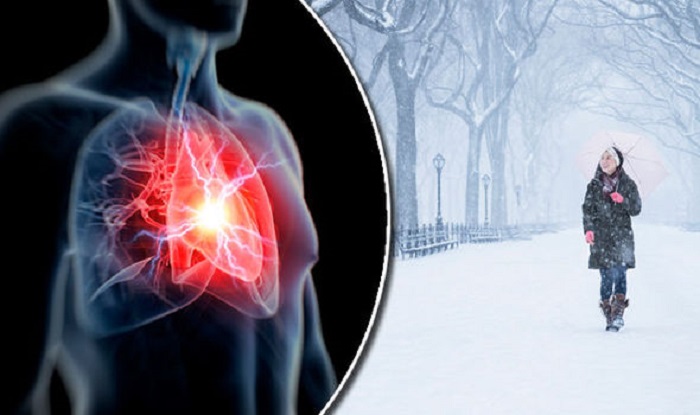

(Asian independent) While the winter season brings a message of freshness and enthusiasm, it also poses a serious challenge for heart-related diseases. According to scientific studies conducted worldwide, cases of heart attacks increase significantly during the winter months as compared to warmer seasons.
The Scientific Connection Between Cold and the Heart
When temperatures drops the body constricts blood vessels (a process known as vasoconstriction) to maintain internal warmth. This leads to a decrease in the diameter of blood vessels causing an increase in blood pressure. Individuals who already suffers from high blood pressure or cholesterol issues experiences increased stress on their hearts due to this condition.
In cold weather the blood viscosity also increases resulting in making the blood thicker and thereby reducing the oxygen delivery. This condition raises the risk of blood clots formation which can block the coronary arteries and result in a heart attack (myocardial infarction).
Hormonal and Metabolic Changes in Winter
During the winter seasons hormones such as adrenaline and norepinephrine are released in higher amounts. These hormones increases the heart rate and blood pressure. As a result individuals with pre-existing conditions like atherosclerosis face a significantly heightened risk of heart attacks.
Additionally, the metabolic rate of the body also increases in colder weather leading to a greater demand for oxygen. If the coronary arteries are already narrowed, this increased demand cannot be met, resulting in a lack of oxygen for the heart muscle.
Other Factors Contributing to Increased Heart Attacks
1. Morning Cold and Stress:
Cases of heart attacks are most common between 4 AM and 10 AM due to hormonal changes that occur during this time.
2. Sedentary Lifestyle:
People tend to go out less during winter, leading to reduced physical activity, increased obesity and higher cholesterol levels.
3. Smoking and Alcohol Consumption:
Both the habits tend to increase in winter, further constricting the coronary arteries.
Precautions for Heart Health in Winter
1. Warm Clothing:
Keep the body temperature stable to reduce the constriction of blood vessels.
2. Warm-Up Before Morning Exercise:
Always perform light warm-ups before exercising in cold weather and avoid strenuous activities in extreme cold.
3. Regular Monitoring of Blood Pressure and Diabetes:
4. Balanced Diet:
Consume low-fat foods, fresh fruits, vegetables and meals rich in omega-3 fatty acids.
5. Avoid Smoking and Alcohol:
Both substances are particularly harmful to heart health during winter.
6. Regular Medication for Heart Conditions:
Individuals with pre-existing heart issues should consistently take their prescribed medications.
Need for Social Awareness
There is a need for awareness campaigns about heart diseases during winter. Health centers, schools and colleges should organize camps related to the risks of heart diseases. Medical departments should also be prepared with special emergency measures for cold weather.
SURINDERPAL SINGH
FACULTY IN SCIENCE DEPARTMENT
SRI AMRITSAR SAHIB PUNJAB.