

THE ASIAN INDEPENDENT UK

Bal Ram Sampla
Geopolitics
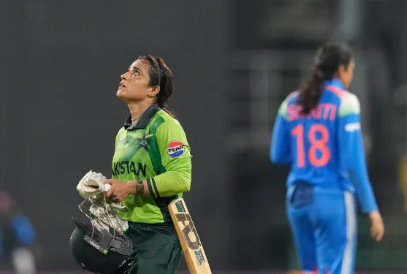
Cricket has long been called the gentleman’s game, built on principles of fair play and honesty. Yet at the India versus Pakistan Women’s World Cup match in Colombo, these values were tested when Pakistan captain Fatima Sana remained silent during a crucial toss controversy.
The facts are straightforward. Fatima called “tails” during the coin toss. The match referee mistakenly heard “heads” and announced it as such. When the coin landed, Pakistan was declared the winner of the toss. Fatima accepted this win without correction.
The Problem
If Fatima called tails and the referee announced heads, the only way Pakistan could win is if the coin showed heads. This means Fatima won on a call she never made. She knew she had called tails. She heard the referee say heads. She saw the result. And she said nothing.
This was not an honest mistake. This was a choice. Fatima chose silence over truth. She chose advantage over integrity. This is called cheating!
Why This Matters
The toss is not a minor detail in cricket. It determines which team bats or bowls first, affecting the entire match strategy. Weather conditions, pitch behaviour, and dew can all make the toss a decisive factor. By accepting a toss she did not legitimately win, Fatima gained an unfair advantage that could influence the game’s outcome. Fatima gained a big advantage as the pitch has under the covers due to rain the day before. The pitch had been ‘sweating’ in cricketing terms. This means there was moisture in the pitch which aided the fast bowlers with seam and swing.
The Deeper Hypocrisy
What makes this incident particularly troubling is the context. The match was marked by a “no handshake” policy between the captains, supposedly reflecting high standards and serious competition. Yet how can anyone claim moral high ground while simultaneously deceiving match officials?
Refusing a handshake while accepting an unearned toss win reveals a troubling double standard. It suggests that sportsmanship matters only when convenient, and ethics apply only when they don’t conflict with winning.
True sportsmanship means doing the right thing even when no one forces you to. It means speaking up when you’ve been wrongly awarded an advantage. It means valuing integrity over victory.
The Captain’s Responsibility
As captain, Fatima carries special responsibility. She represents not just herself but her team and country. Young cricketers look up to national captains as role models. What lesson does this incident teach? That winning justifies silence? That taking unfair advantage is acceptable if officials make mistakes?
Cricket’s spirit depends on players being honest even when it costs them. When a fielder knows the ball touched the ground, they should say so. When a batsman edges the ball, they should walk. And when a captain wins a toss on a call they never made, they should speak up.
Conclusion
The match referee made an error, but Fatima made a choice. She could have corrected the mistake immediately. She could have said, “No, I called tails.” Instead, she remained silent and accepted an advantage she knew she hadn’t earned.
The biggest mystery is why Harmanpreet Kaur remained silent. Why did she not protest to the match referee.
In cricket, as in life, character is revealed not by what we do when everyone is watching, but by what we do when we could get away with something wrong. This incident reveals a troubling willingness to prioritize winning over honesty.
If cricket is to remain a game of integrity, players must hold themselves to high standards even when others fail to do so. Especially then. The spirit of cricket demands nothing less.
Result: India 247
Pakistan 159
India win by 88 runs