

THE ASIAN INDEPENDENT UK

Bal Ram Sampla
Geopolitics
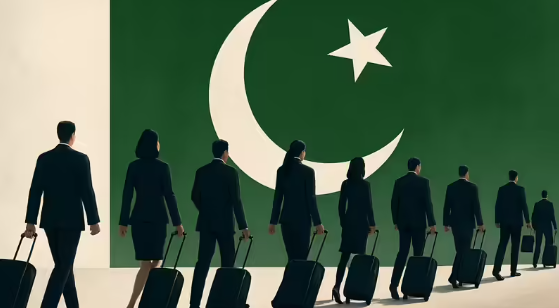
Pakistan is facing a serious problem. Big international companies that have been doing business in the country for decades are now packing up and leaving. Procter & Gamble, which made products like soap and shampoo in Pakistan for 34 years, recently announced it will shut down its operations. It is not alone. Companies like Pfizer, Shell, Sanofi, and Telenor have also left or reduced their presence in Pakistan. This trend is worrying because when these companies leave, they take jobs, investment, and opportunities with them.
Why Are Companies Leaving?
There are several reasons why multinationals are deciding that Pakistan is no longer a good place to do business.
- Economic Problems.
The Pakistani rupee has lost much of its value against the dollar. This makes everything more expensive for companies that need to import raw materials or machinery. Inflation has been very high, making it harder for people to buy products and for companies to make profits. There are also frequent dollar shortages, which means companies cannot easily get the foreign currency they need to pay for imports or send profits back to their home countries.
2. High Costs and Poor Infrastructure.
Running a business in Pakistan has become very expensive. Electricity costs are high and power cuts are common, which disrupts factory production. Roads, ports, and other infrastructure are not as good as in other countries, making it harder and more costly to move products around.
3. Government Rules and Red Tape.
The government has put strict price controls on many products, especially medicines. This means companies cannot charge enough to cover their costs and make a profit. There are also delays in getting approval for price increases, and import restrictions make it hard to bring in the materials companies need. The rules keep changing, and businesses cannot plan for the future when they do not know what regulations will be in place next year.
4. Political Instability.
Pakistan has faced political uncertainty and changes in government. This makes foreign companies nervous about investing because they worry that policies might change suddenly. Law and order problems in some areas also make it risky to operate.
5. Better Options Elsewhere.
While Pakistan is becoming harder for business, other countries in the region are making it easier. Companies can move to Bangladesh, Vietnam, or other countries where costs are lower, regulations are clearer, and the business environment is more stable.
Impact on the Economy
When multinationals leave Pakistan, the damage to the economy is serious and long-lasting.
(1) Loss of Investment
These companies brought billions of dollars in foreign direct investment to Pakistan. When they leave, that money goes with them. Even worse, other companies that were thinking about investing in Pakistan see these exits and decide not to come. This creates a negative cycle where the country gets less and less foreign investment.
(2) Lower Tax Revenue
Big companies pay significant taxes to the government. When they shut down, the government loses this tax money, which it needs to provide services and build infrastructure. This makes the country’s financial problems even worse.
(3) Technology and Skills Loss
Multinationals bring advanced technology and train local workers in modern business practices. When they leave, Pakistan loses access to this knowledge and expertise. Workers who learned valuable skills may not find other jobs where they can use what they learned.
(4) Damage to Pakistan’s Reputation
When well-known companies like Procter & Gamble publicly announce they are leaving, it sends a strong message to the world that Pakistan is not a good place to do business. This reputation damage makes it even harder to attract new investment in the future.
(5) Impact on the Workforce
The human cost of these departures is enormous and affects thousands of families.
(6) Direct Job Losses
Procter & Gamble alone employed over 5,000 people directly. When the company closes, all these workers lose their jobs. Multiply this by all the other companies that have left, and tens of thousands of jobs have disappeared.
(7) Supply Chain Impact
For every job in a big factory, there are many more jobs in supporting businesses. Local suppliers who provided raw materials, packaging companies, transport companies, and distributors all lose business when a multinational shuts down. These indirect job losses can be even larger than the direct ones.
(8) Lower Wages and Benefits
Multinationals typically pay better wages and provide better benefits than local companies. They offer health insurance, retirement plans, and training opportunities. When these companies leave, workers who find new jobs often have to accept lower pay and fewer benefits.
(9) Young People Leaving
When educated young people see that good jobs are disappearing, many decide to leave Pakistan to find opportunities abroad. This brain drain means the country loses its most talented workers, who could have helped build the economy.
(10) Reduced Consumer Choice
Workers are also consumers. When multinationals leave, people have fewer products to choose from, and those that remain may be lower quality or more expensive. This reduces everyone’s standard of living.
Conclusion
The exodus of multinationals from Pakistan is a warning sign that cannot be ignored. Companies like Procter & Gamble do not make the decision to leave lightly after decades of investment. Their departure shows that Pakistan’s economic and regulatory problems have become too serious to ignore.
The impact on the economy is severe, with lost investment, lower tax revenue, and a damaged international reputation. The impact on workers and their families is even more painful, with thousands losing good jobs and seeing their future opportunities shrink.
If this trend continues, Pakistan risks falling further behind other developing countries that are successfully attracting investment and creating jobs. The government and business community must work together urgently to fix the problems driving companies away, or the country will face an even bleaker economic future with fewer opportunities for its growing population.
References
1.https://www.bloomberg.com/news/articles/2025-10-02/p-g-to-shut-pakistan-razor-unit-amid-global-overhaul-strains
2.https://www.thenews.com.pk/magazine/money-matters/1212116-whats-driving-the-investment-exodus
3.https://www.dawn.com/news/1946119
4. https://millichronicle.com/2025/09/55720.html