THE ASIAN INDEPENDENT UK

Bal Ram Sampla
Geopolitics
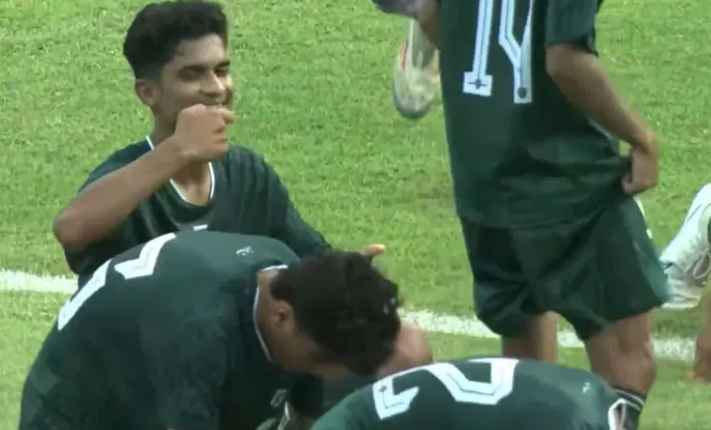
On 22nd September 2024, Pakistan’s U-17 football team made headlines for all the wrong reasons. During their match against India in the SAFF U-17 Championship, young Pakistani players celebrated by making “tea-sipping” gestures and other provocative actions. The irony was clear – despite their taunting, Pakistan lost the match 3-2 to India.
What made this incident particularly notable was its timing. These celebrations happened just one day after Pakistani cricketer Haris Rauf made similar controversial gestures during an Asia Cup match against India.
The Role Model Effect
Young athletes naturally look up to their senior sportsmen as heroes and role models. When they see established cricketers making provocative gestures on the international stage, it sends a message that such behaviour is acceptable or even encouraged.
This “monkey see, monkey do” effect is powerful in sports. Teenagers and young adults want to copy their sporting heroes in every way – from playing techniques to celebrations to attitudes. If senior players are making anti-Indian gestures, younger players think it’s the “cool” or “patriotic” thing to do.
The Backfire Effect
What these young athletes don’t realize is that provocative celebrations often backfire. When you taunt your opponents and then lose the match, it makes you look foolish rather than strong. The Pakistani U-17 team learned this lesson the hard way when their celebrations were followed by a 3-2 defeat.
Good sportsmanship, on the other hand, earns respect regardless of the match result.
The Bigger Picture
This issue isn’t unique to Pakistan – athletes from many countries sometimes make provocative gestures toward rivals. However, when it becomes a pattern where young players consistently copy such behaviour from their seniors, it becomes a concern for the sport and for building positive relationships between nations.
The solution lies in better role modelling from senior athletes and improved guidance from coaches and sports authorities. Young players need to understand that representing their country is an honour that comes with responsibility – to compete fiercely but respectfully.
Sports should bring people together, not drive them apart. When senior athletes choose respect over provocation, young players will follow their lead in making sports a more positive experience for everyone.
References
1.https://www.news9live.com/sports/football/tea-celebration-backfires-as-india-beat-pakistan-3-2-in-saff-u-17-championships-2890855
2.https://www.archivoprisma.com.ar/noticias/after-haris-rauf-the-pakistan-u-17-football-team-does-the-controversial-fighting-plane-in-the-match-against-india/74294/