THE ASIAN INDEPENDENT UK

Bal Ram Sampla
Geopolitics
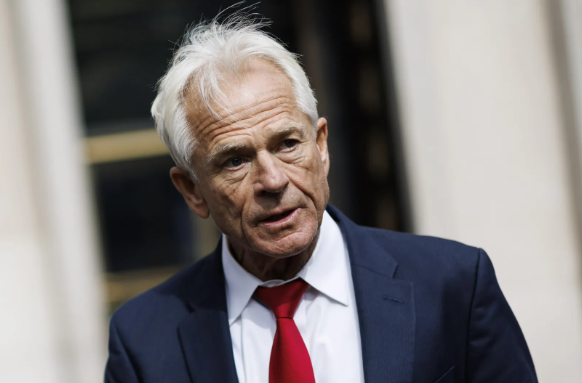
A recent comment by White House Trade Adviser Peter Navarro has sparked outrage in India, but not for the reasons you might expect. While criticizing India’s oil trade with Russia, Navarro said “You’ve got Brahmins profiteering at the expense of the Indian people.” His crude remark was diplomatically inappropriate, but it accidentally exposed a social reality that India’s elite would rather keep hidden from international view.
Understanding India’s Caste System
To understand why this comment caused such fury, one need to know about India’s caste system. Though officially abolished, this ancient social hierarchy still shapes modern Indian society in profound ways.
At the top are Brahmins, traditionally priests and scholars, along with other “upper castes.” These groups have historically held social prestige, education, and economic power. At the bottom are Dalits (Untouchables), who faced severe discrimination and were forced into the most degrading occupations like cleaning sewage and handling dead animals.
While India’s constitution guarantees equality and provides affirmative action for lower castes, the reality is far more complex. Its like trying to level a playing field after one team has had a thousand-year head start.
What Navarro Got Wrong
Navarro’s comment was diplomatically reckless and factually wrong about India’s oil trade. India’s energy sector isn’t controlled by some “Brahmin conspiracy”. It’s dominated by large state-owned companies and private corporations making economic decisions about energy security. His characterization was the kind of crude stereotyping that damages international relations.
What Navarro Accidentally Got Right
But here’s where the story gets uncomfortable for India’s elite, despite being wrong about oil trade, Navarro stumbled onto a broader truth about who really controls power in modern India.
1. Media Control
India’s major newspapers, TV channels, and digital media are overwhelmingly owned and run by upper-caste families. They decide what stories get told and how social issues are discussed.
2. Justice System
Studies show that India’s higher court, Supreme Court and state High Courts are dominated by upper-caste judges, far beyond their proportion in the general population.
3.Big Business
Walk into the boardrooms of India’s major corporations, and you’ll find CEOs and senior executives are overwhelmingly from upper-caste backgrounds.
4. Universities and Think Tanks
Elite educational institutions and policy organizations remain heavily upper-caste, shaping how India’s future gets planned.
This isn’t about individual merit—it’s about centuries of accumulated advantages in education, social networks, and family wealth that get passed down through generations.
The Reality for Dalits
While upper castes maintain their institutional dominance, Dalits continue to face systematic exclusion. Despite constitutional protections and affirmative action programs, the numbers tell a stark story:
(I) Dalits remain concentrated in manual labour and low-paying jobs
(II) They own virtually no agricultural land despite making up significant portions of rural populations
(III) Educational opportunities, while improving, still lag far behind
(IV) Social discrimination persists—inter-caste marriages often trigger violence
(V) Most affirmative action benefits go to a small, already-educated segment of the Dalit community
It’s like having laws against discrimination while the underlying structures that create inequality remain untouched.
The Telling Response
Here’s what made the reaction to Navarro’s comment so revealing: the same media outlets and commentators who expressed fury over his “casteist” language rarely show similar outrage when covering actual caste violence or discrimination against Dalits.
The anger seemed less about protecting lower castes from harmful rhetoric and more about protecting upper-caste dignity from foreign criticism. This selective outrage actually confirms Navarro’s crude observation about who controls public discourse in India.
Why This Matters Globally
India is the world’s largest democracy and a rising economic power.
The caste system offers lessons for other societies grappling with historical inequalities. Legal equality alone doesn’t erase centuries of accumulated advantage. Whether it’s race in America or ethnic divisions elsewhere, the Indian experience shows how persistent these hierarchies can be.
The Uncomfortable Questions
Navarro’s diplomatic blunder inadvertently raised questions India’s elite would prefer to avoid:
(I) How can a country claim to be a modern democracy while maintaining such rigid social hierarchies?
(II) Why do the same people who control institutions also control the conversations about reforming those institutions?
(III) Can meaningful change happen when those who benefit most from the status quo hold most of the power?
India’s response to international criticism often focuses on sovereignty and cultural sensitivity—”outsiders shouldn’t interfere in our internal affairs.”
The real issue isn’t foreign interference but domestic accountability. Until India’s privileged classes can discuss caste inequality as honestly as they defend against foreign criticism, the structural problems Navarro crudely identified will persist.
Conclusion
The real tragedy isn’t that a foreign official made inappropriate comments about Indian society. It’s that those comments contained enough truth to generate such defensive fury. Until India’s elite can examine their own privilege as thoroughly as they defend their national dignity, Dalits will remain at the bottom while upper castes continue their disproportionate control over the institutions that shape Indian life.
References
1. https://www.ndtv.com/world-news/tariff-news-donald-trump-adviser-peter-navarro-attacks-indias-russian-oil-trade-brahmins-profiteering-pm-modi-in-bed-with-china-russia-9193683
2.Brahmins profiteering off Indians: Trump adviser Navarro justifies tariffs-
https://www.business-standard.com/india-news/brahmins-profiteering-off-indians-trump-adviser-navarro-justifies-tariffs-125090100202_1.html