
(Asian independent) Diabetes is one of the fastest-growing health problem which is posing biggest challenge for the humanity.A very large percentage of the world’s population is suffering from this chronic disease which could lead to heart disease, kidney failure, blindness and nerve damage if it is not properly managed medically. The Current treatments consisting of insulin injections and oral medicines only helps in controlling blood sugar but they do not cure the disease completely. Today scientists and medical researchers across the globe are exploring a revolutionary approach which is known by the name stem cell therapy.This medical miracle which could one day allow the body to naturally produce its own insulin again.
HOW STEM CELL THERAPY WORKS?
Stem cells are the body’s master cells which are capable of transforming into many different types of specialized cells. In the case of diabetes:
For Type 1 diabetes (where the immune system destroys insulin-producing cells), stem cells can be converted into new insulin-producing β-cells. These cells are then transplanted into the body to restore insulin production.
For Type 2 diabetes (where the body resists insulin and later loses insulin-producing capacity), stem cell therapy helps by repairing damaged β-cells and reducing inflammation making the body more sensitive to insulin.
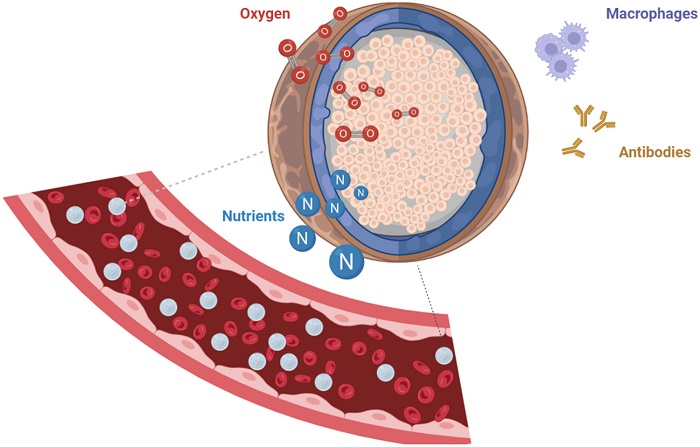
Some therapies use encapsulated stem cells, placed inside protective capsules that allow insulin to pass through but block immune attack. Others therapies are using the patient’s own cells, reprogrammed into insulin-producing cells to reduce the risk of rejection.
COSTS AND AVAILABILITY
In the present era the stem cell therapy is available only through experimental trials at advanced medical centers in the USA, Europe, China and India. The estimated cost is very very high and the expenses of the therapeutic depends on the hospital and method used. Since it is still under clinical study most health insurance policies do not cover it.
SUCCESS RATES SO FAR
In Type 1 diabetes, early trials and experimentation have shown that 20–40% of patients can reduce or temporarily stop insulin use after receiving stem cell-derived β-cells. However, long-term success remains under medical research and investigation.
In Type 2 diabetes, about 50–70% of patients in trials have reported better blood sugar control, lower HbA1c levels and reduced need for medication.
While these results are promising for the detailed medical and scientific research but complete cure remains rare at this stage.
RISKS AND CHALLENGES
No therapy is without risks. Stem cell treatment may cause:
1.Immune rejection of transplanted cells could also be a problematic area for concern particularly in Type 1 diabetes.
2.The risk of tumor formation if stem cells are not fully matured before use could be the biggest challenge for the medical fraternity.
3.Infections or complications could occur during the transplantation procedure and this could spoil the dream run of achieving freedom from diabetes.
4.Ethical concerns could be raised in some countries of the world especially regarding embryonic stem cells.
5.High costs of using the therapy could pose a hurdle and which could limit the access of the therapy for ordinary patients.
PROS AND CONS OF STEM CELL THERAPY
PROS:
1.The Stem Cell Therapy offers a potential long-term solution and the positive of the therapy is that it is not just symptom management.
2.The silver lining of using the therapy is that it may reduce or even eliminate insulin injections in some cases.
3.The biggest boon of the therapy for the humans is that it can prevent or delay the serious complications of diabetes.
3.Another major factor of the Stem Cell Therapy contributing for the humanity is that it is applicable to both Type 1 and Type 2 diabetes.
CONS:
1.This therapy is still in experimental stage and not available as a routine treatment.
2.It is highly expensive with another limitations that very insurance companies are covering it completely and even it is being brought under medical coverage but that too with little insurance coverage.
3.This therapy also has the risk of rejection, relapse or tumor growth in the body.
4.It would also has to overcome the ethical and legal restrictions in some regions of the world.
Several biotechnology companies and research institutions are working on making stem cell therapy safer, cheaper and more effective. Scientists are experimenting with gene editing (such as CRISPR) to make stem cells invisible to the immune system, which could remove the need for lifelong anti-rejection drugs.Keeping in view the circumstances it is estimated that in the next 10–15 years stem cell therapy could move from clinical trials to mainstream diabetes care and become the premier treatment for managing diabetes.
Stem cell therapy have the potential to become the most exciting medical discovery for diabetes treatment .While it is yet in developing stage but still it offers a golden ray of hope for the diabetics patients.It is also promising that millions of patients would live free from insulin injections but under constant medical monitoring. Till the time all such dreams bore fruits one should aim for strict lifestyle changes, regular medical care and current treatments for managing diabetes.
SURINDERPAL SINGH
FACULTY IN SCIENCE DEPARTMENT
SRI AMRITSAR SAHIB
PUNJAB.