

SR Darapuri, National President, All India Peoples Front
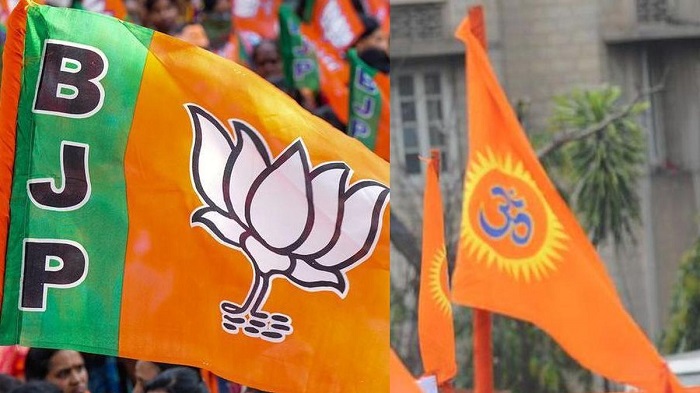
(Asian independent) Since the Bharatiya Janata Party (BJP) came to power in 2014 under Prime Minister Narendra Modi, various international human rights organizations, think tanks, and reports have documented a range of challenges faced by religious minorities in India, particularly Muslims, Christians, and Sikhs. These include discriminatory policies, increased communal violence, and systemic marginalization, often linked to the rise of Hindu nationalism. While India’s constitution guarantees secularism and freedom of religion, critics argue that enforcement has weakened, leading to fear and mistrust among minorities. The issues are multifaceted, and the government has often denied bias, attributing incidents to local disputes or defending policies as necessary for national security or cultural protection. Below is a summary of key problems, drawn from credible sources, with specific examples.
Discriminatory Laws and Policies
– Citizenship Amendment Act (CAA) and National Register of Citizens (NRC): Enacted in 2019, the CAA fast-tracks citizenship for non-Muslim migrants from Afghanistan, Bangladesh, and Pakistan, excluding Muslims, marking the first time religion has been used as a criterion for citizenship. Combined with a proposed nationwide NRC, it has raised fears of disenfranchising millions of Muslims who may lack documentation, potentially rendering them stateless. The law was operationalized in March 2024, despite protests and criticism for violating constitutional equality and international human rights standards.
– Anti-Conversion Laws: Implemented in several BJP-ruled states (e.g., Uttar Pradesh, Madhya Pradesh), these laws target interfaith marriages, often labeled as “love jihad,” criminalizing consensual unions with penalties up to life imprisonment. In Uttar Pradesh, 79 of 86 cases filed were against Muslims, based on family complaints. These have disproportionately affected Christians, with mobs using them for false accusations and harassment.
– Cow Slaughter Bans and Vigilantism: Stricter laws in BJP states have empowered “cow protection” groups, leading to vigilante attacks. At least 50 people (mostly Muslims) were killed between 2015 and 2021, with over 4,000 arrests in Uttar Pradesh in 2020 alone, often under the National Security Act. Incidents spiked during elections, with 9 Muslims murdered in 2024 over cow-related allegations.
– Revocation of Jammu and Kashmir’s Autonomy: In 2019, Article 370 was abrogated, stripping the Muslim-majority region’s special status, leading to arbitrary detentions of thousands, internet shutdowns, and restrictions on free expression. This has been criticized as diminishing Muslim political standing.
Communal Violence and Mob Attacks
– Rise in Hate Crimes and Lynchings: Ninety percent of religion-based hate crimes from 2009–2019 occurred after 2014, with a sharp increase in anti-Muslim violence. Examples include the 2020 Delhi riots (53 killed, mostly Muslims) where police were complicit, forcing injured Muslims to sing the national anthem. In 2023, ethnic violence in Manipur killed over 200 (targeting Kuki Christians), with homes and churches destroyed and inadequate government response.
– Hate Speech and Incitement: BJP leaders have used derogatory rhetoric, stoking Islamophobia, such as blaming Muslims for spreading COVID-19 in 2020, leading to boycotts and attacks. Small-scale violence proliferated, with mobs targeting Muslim businesses and filing petitions against mosques.
– Attacks on Christians: Mobs have destroyed churches, disrupted services, and used anti-conversion laws for harassment. The 2021 death in custody of Jesuit priest Stan Swamy, charged under counter-terrorism laws, highlighted discrimination against Christian activists.
Systemic Discrimination and Marginalization
– Economic and Social Barriers: Muslims face discrimination in employment, education, housing, and access to services, with half of surveyed police showing anti-Muslim bias, leading to impunity for attackers. Policies like displaying names at food centres in Uttar Pradesh (2024) have fostered identity-based discrimination.
– Bulldozer Justice and Demolitions: Authorities have unlawfully demolished over 2,840 minority properties (mostly Muslim) between 2020–2022 as punishment, ruled unconstitutional by the Supreme Court in 2024. In Haryana (2023), demolitions followed communal clashes, questioned as “ethnic cleansing.”
– Targeting Sikhs and Others: During 2020–2021 farmer protests (largely Sikh-led), protesters were vilified as separatists, with baseless arrests and internet shutdowns. Broader issues include social boycotts, forced conversions, and weaponizing history (e.g., Mughal-era disputes) to demonize Muslims.