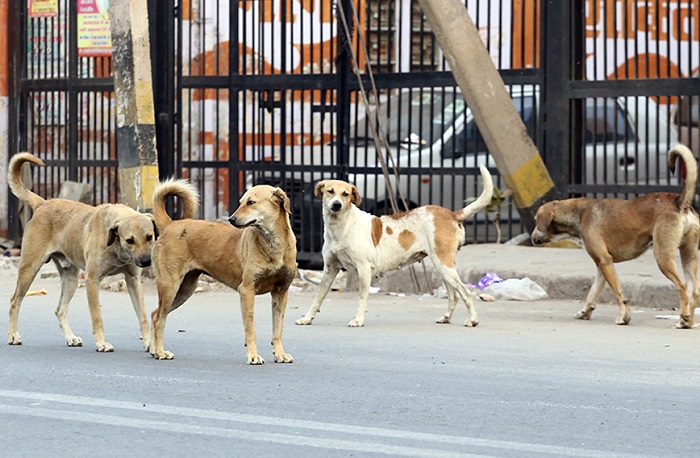
(Asian independent) The relationship between the humans and the dogs is amongst the oldest and most profound in history of the planet earth. From being rewarded with the tags of loyal companions to serving the cause and benefits of humanity as protectors and guides, the dogs have found a respectable place in nearly every culture and civilization of the world. Yet, in modern era marked with ever-growing trends of science and technology where cities are developing at a rapid pace a tragic paradox exists: millions of the dogs are surviving not just as companions of the humans but rather as the strays who are roaming the streets without shelter,food, medical care or dignity. This problem has raised a very vital question of public safety, animal rights and urban governance. Recently, the honorable Supreme Court of India had addressed this sensitive issue of the strays and delivered a historical verdict regarding the capturing of stray dogs and placing them in shelter homes. The decision has rekindled and fuelled debates about whether such actions amount to justice delivered both for the animals and the communities they live in.
THE VERDICT
The honorable Supreme Court while balancing the animal rights and the human safety ruled that indiscriminate culling or cruelty against the strays cannot be permitted. At the same time it acknowledged the undeniable problem of stray dog attacks, the rising number of rabies cases and the fear and trauma which the strays instill in the communities. The court emphasized that capturing strays and putting them in shelter homes, coupled with vaccination and sterilization programs is a humane and legal approach of handling with the strays. By doing so the honorable judiciary has attempted to reconcile compassion for the animals with the need to safeguard the human lives.
IS JUSTICE DELIVERED?
The question of justice is multifaceted. For society, justice means safety from aggressive or infected strays. For animal welfare activists, justice lies in ensuring that dogs are not subjected to cruelty or killed merely for existing on the streets of the cities. For the strays themselves, justice is the assurance of food, shelter, medical care and humane treatment.
By mandating shelter homes instead of mass killing, the honorable court has taken a step toward a compassionate balance. However, the practical reality must be considered. Many municipal shelters across the country are already overcrowded. Capturing the strays and confining them without proper care may end up creating a environment like prison.True justice will only be delivered when the rulings are implemented with sincerity, resources and accountability.
SUGGESTED WAYS TO HANDLE STRAYS HUMANELY
1. Nationwide Sterilization,Vaccination Programs and drives:
Effective population control programme should be initiated through mass sterilization and introduction of anti-rabies vaccination is the most sustainable solution. This reduces the aggression,the rabies cases and unchecked breeding.
2. Community Dog Care Systems:
Involvements of the local residents,animal welfare groups and municipal bodies to identify, vaccinate and care for strays in designated areas ensures both safety and coexistence.
3. Strengthening Shelter Homes:
Shelters homes must not become the dumping grounds but rather they should serve the purpose as the rehabilitation centers equipped with proper veterinary services, proper space and a more humane provision of adoption drives should be part and parcel of each shelter home.
4. Promotion of Adoption:
Encouraging people to adopt the stray dogs instead of keeping imported breeds as pets can gradually reduce the number of homeless dogs.
5. Awareness Campaigns:
Public education about humane treatment of strays, benefits of sterilization and prevention of rabies is essential to change societal attitudes.
6. Strict Regulation of Breeding Practices: Illegal and uncontrolled breeding of pet dogs contributes indirectly to the stray population. Strong laws must regulate the breeders.
The honorable Supreme Court verdict is a progressive step, reflecting India’s constitutional spirit of compassion for all living beings. However, capturing and sheltering strays should not be seen as the end solution but as part of a larger framework of the humane management. Justice is not delivered merely by removing strays from sight as it is delivered when both humans and animals can coexist safely and with dignity.
The world must recognize that strays are not intruders but victims of human neglect and urbanization. By choosing compassion backed with science and good governance, societies can transform this conflict into coexistence.